
Last updated November 22, 2026
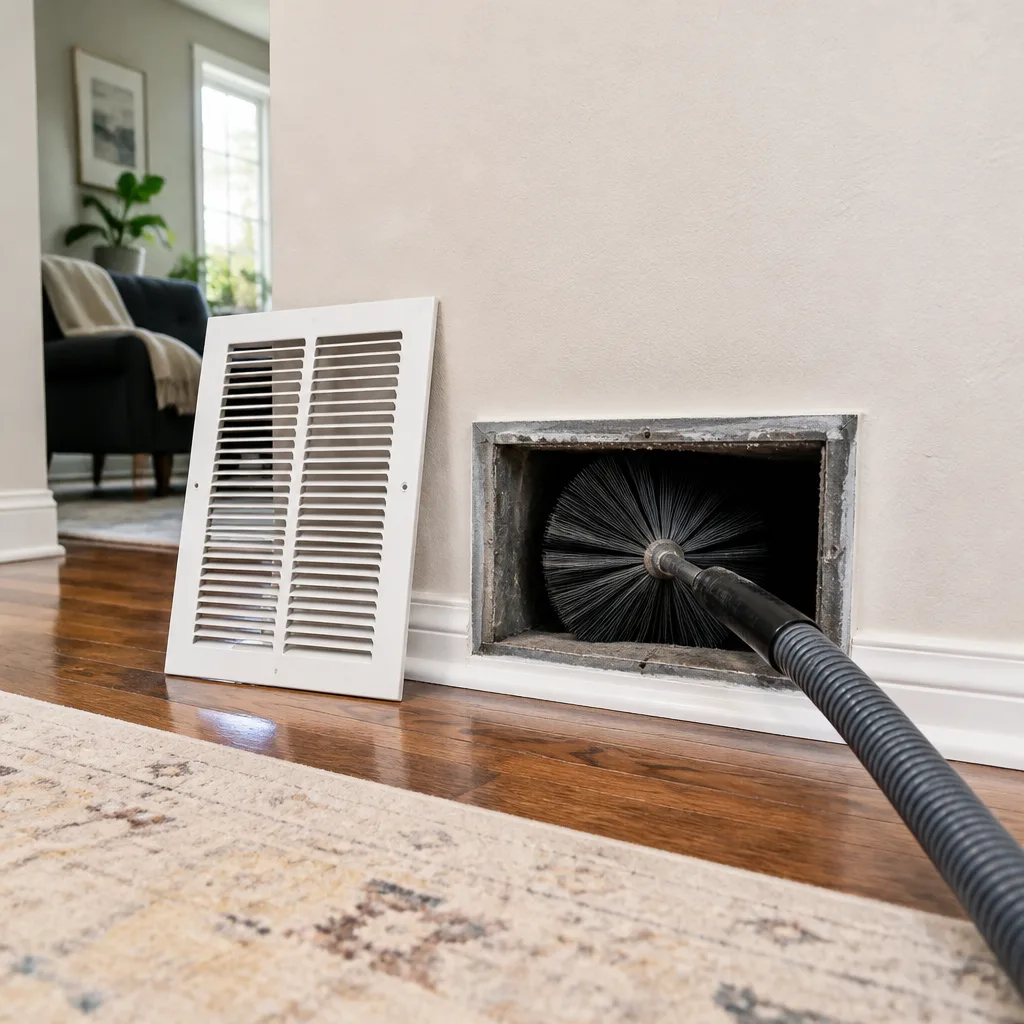 Whole-home duct cleaning
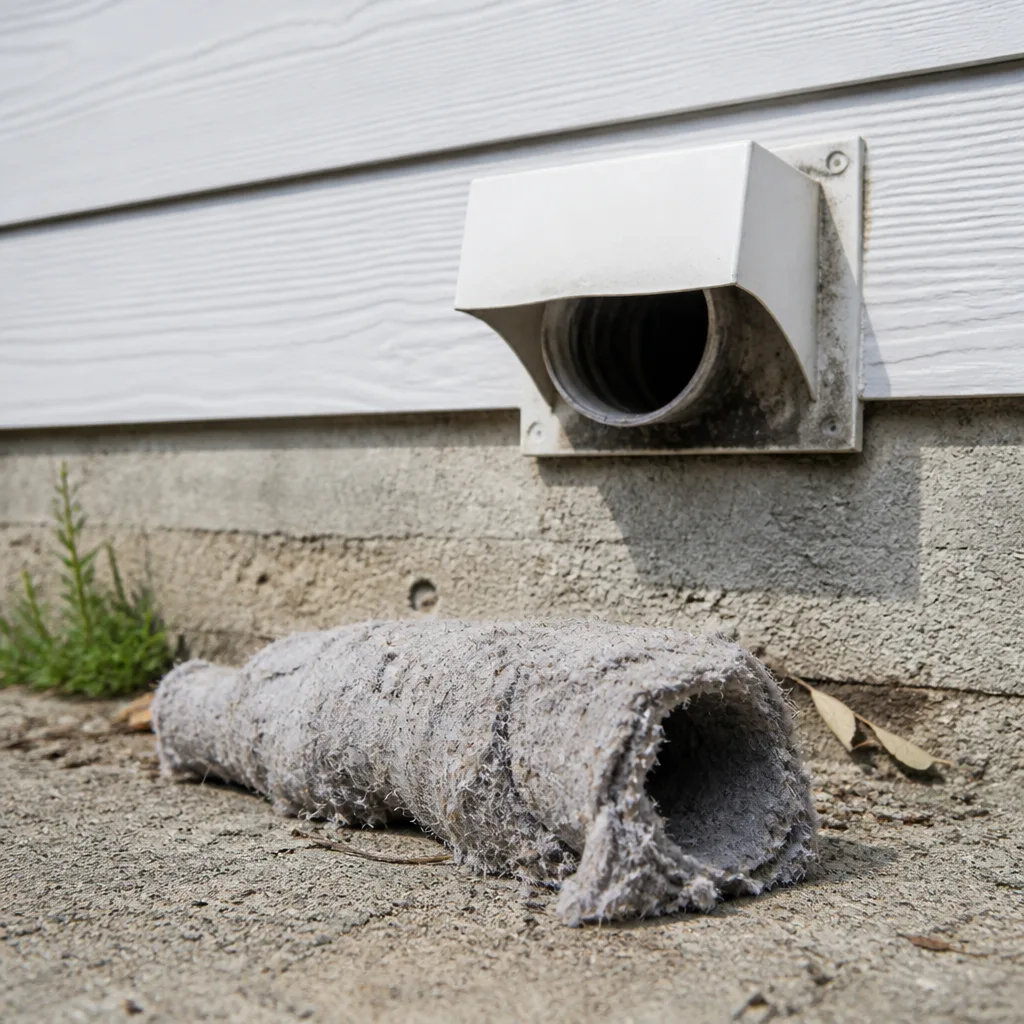 Dryer vent cleaning
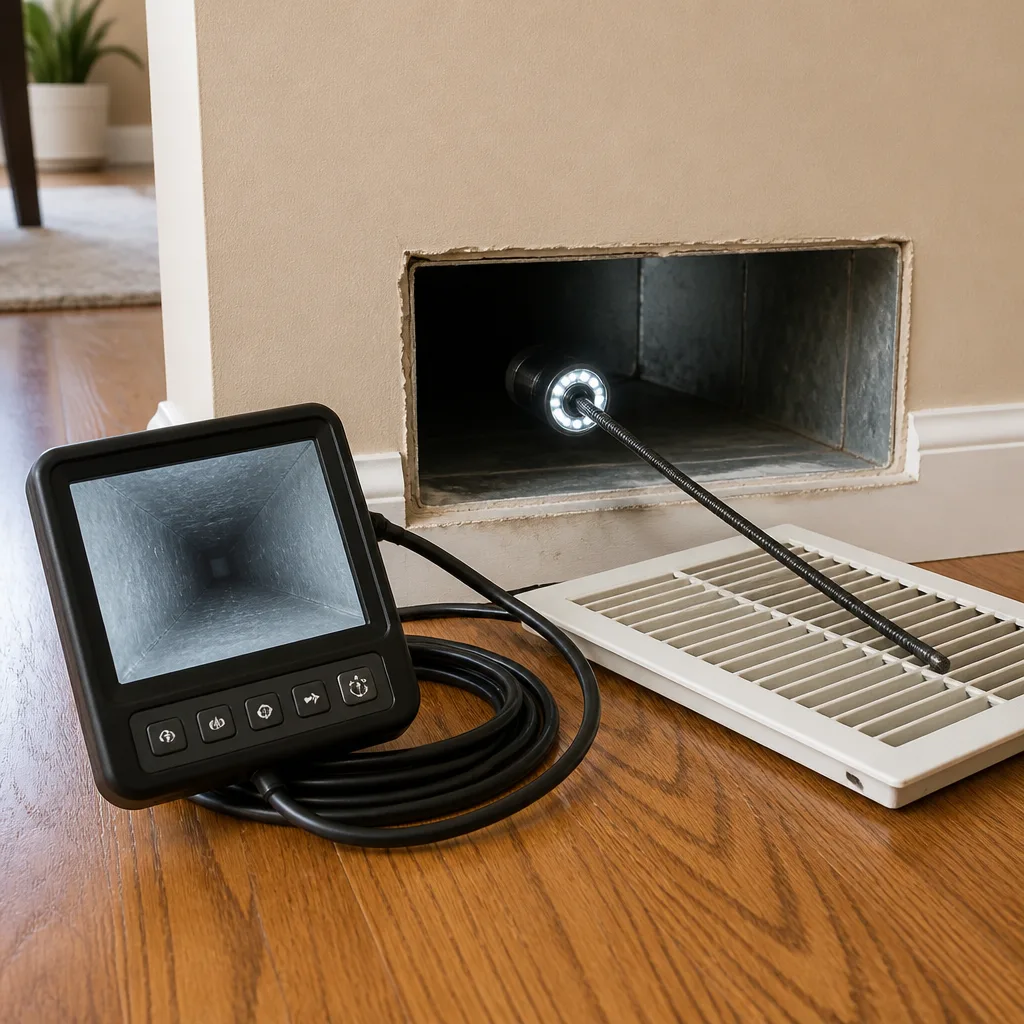 Camera inspection
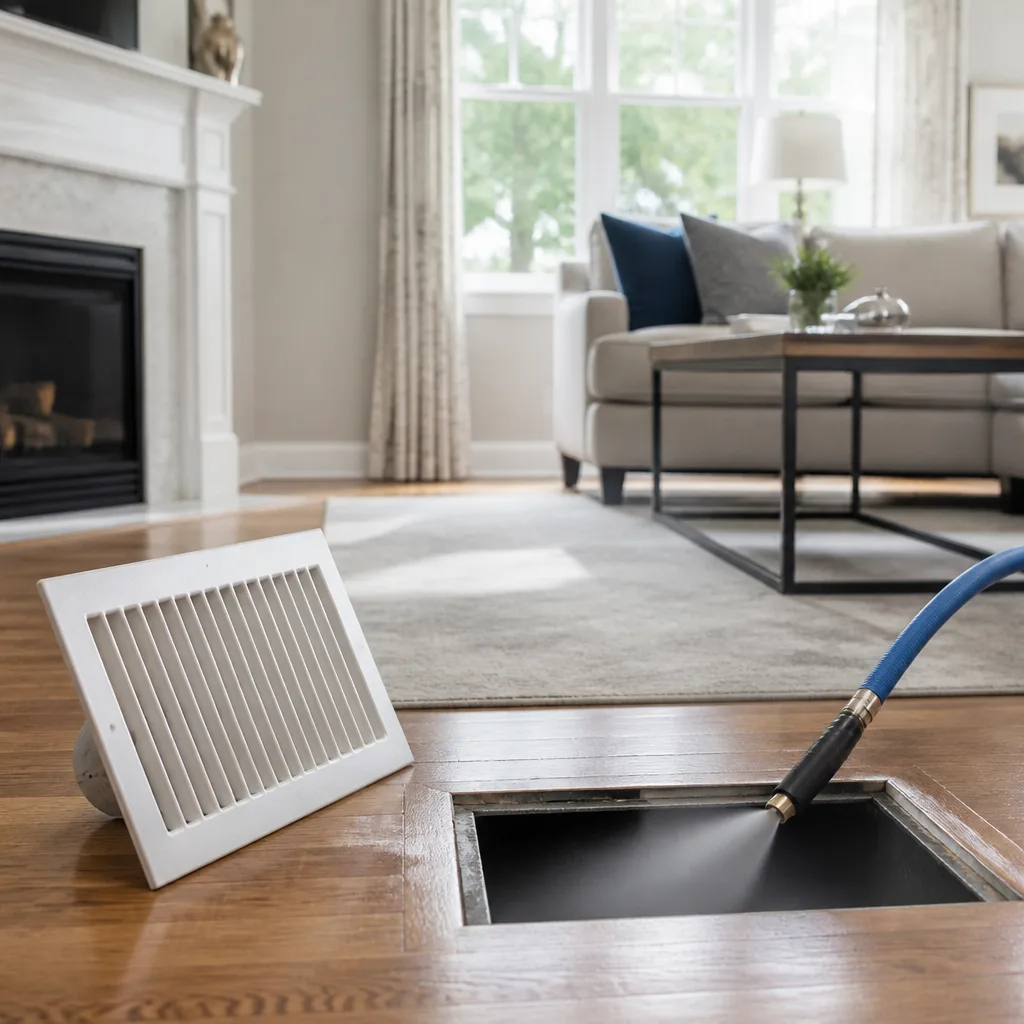 Sanitizing & deodorizing
Whole-system duct and dryer vent check with before-and-after photos - you see exactly what came out of your vents
That "$99 whole-house special" is a bait ad - the real number appears once they are in your hallway, or the "clean" is a shop-vac at the register. We photograph the inside of your ducts before and after instead.
Air Duct Cleaning Emergency Preparedness Guide for Astoria Homes
Most Astoria homeowners prepare for emergencies by thinking about water, power, and structure. Very few think about the ducts. That’s the gap. After Hurricane Ida, dozens of Astoria basements flooded, and in many of those homes the air handler and return ducts sat right in that basement. The water receded. The contamination in the duct system did not. This guide covers the duct-specific emergency scenarios that Astoria’s geography and housing stock make genuinely likely, from basement flooding to attached-rownhouse fires to pest infiltration. You’ll learn what to do before the system runs again, what to document now, and when a professional cleaning and inspection is no longer optional.
Quick Answer
After any flood, fire, or pest event in an Astoria home, do not run the HVAC system until the ducts and air handler have been inspected and professionally cleaned. If water, smoke, or rodents reached the ductwork, running the system spreads contamination through every room. Call a specialist, get the system assessed, and clean and sanitize before normal operation resumes.
Styles & brands we work with
- Whole-home duct cleaning
- Dryer vent cleaning
- Camera inspection
- Sanitizing & deodorizing
Table of Contents
- Why Duct Systems Are the Blind Spot in Astoria Emergency Planning
- Post-Flood Protocol: What to Do Before the System Runs Again
- Fire and Smoke Events: Neighbor Fires in Attached Rowhouses
- Construction Emergencies and the Debris Path Into Your Ducts
- Pest Infiltration: Rodent Entry Through Compromised Ducts
- Pre-Emergency Preparedness: What to Document Now
- The Daily Baseline: Keeping Ducts Ready Before Anything Goes Wrong
Why Duct Systems Are the Blind Spot in Astoria Emergency Planning
Astoria’s housing stock makes duct emergencies more likely, not less. The neighborhood is dense with attached rowhouses, older two- and three-family buildings, and basement mechanical rooms that sit below grade. When water, smoke, or pests move through a building, they move through the same pathways the HVAC system uses to circulate air. A duct system is not a sealed vault. It’s a network of sheet metal and flex runs that connects the basement to the bedrooms to the kitchen, and whatever gets into one part of that network can get into all of it.
Astoria sits in a low-lying stretch of western Queens where heavy rain events and storm surges have caused basement flooding in pockets like Ditmars, Astoria Heights, and the blocks near the waterfront. The housing stock near the East River and along Steinway Street tends toward older construction with mechanical equipment at or below grade. That combination – dense attached buildings, basement mechanical rooms, and a history of flooding – is exactly the recipe for contaminated ductwork after a storm.
What makes this a preparedness issue rather than a maintenance issue is the timing. In an emergency, homeowners focus on drying out, restoring power, and dealing with visible damage. The ducts get skipped because they’re hidden. By the time the system comes back on, contaminated air is already circulating through every room. Thinking about the ducts in advance – what to do, who to call, what to shut down – is the difference between a manageable cleanup and a much larger problem.
For a baseline understanding of what a routine cleaning looks like, our Air Duct Cleaning Astoria page covers the standard service. This guide is about the scenarios that go beyond routine.
Post-Flood Protocol: What to Do Before the System Runs Again
If water reached the air handler or any section of ductwork, do not turn on the HVAC system. Floodwater in a duct system is not a drying problem – it’s a contamination problem, and running the system distributes moisture, sediment, and whatever else was in that water into the living space. The air handler is the critical piece: if water stood at or above the blower compartment, the unit needs to be inspected before it runs, not just dried out.
Here’s the sequence we recommend after any basement or ground-floor flooding in an Astoria home:
- Shut off the HVAC system at the thermostat and breaker. Don’t run the fan “to dry things out.” That’s the most common mistake after flooding, and it’s the one that spreads contamination.
- Document the water line. Photograph where the water stood relative to the air handler, the return ducts, and any supply runs that sit low. This helps whoever assesses the system understand what was submerged.
- Call a specialist for an inspection before the system runs. A professional can tell whether duct sections need mechanical cleaning, whether flex runs need replacement, and whether the air handler requires service before it’s safe to operate.
- Clean and sanitize the duct system. Floodwater leaves behind sediment and biological contamination. Mechanical cleaning with professional equipment removes the debris; sanitizing treats the interior surfaces before the system is used.
- Consider whether repairs or sealing are needed. Waterlogged ducts can lose their seals and connections. Sealing after cleaning keeps the system from drawing unconditioned air from the basement every time it runs.
Astoria basements are often the mechanical hub of the building, and a flood event isn’t the only thing that puts water into the duct system. A burst pipe or a slow leak near the air handler can do it too. The protocol is the same: shut it down, document, inspect, clean, sanitize, and seal if needed.
If the flooding affected dryer venting as well, our dryer vent cleaning service covers that separately, since a water-damaged vent run can trap lint and moisture together.
Fire and Smoke Events: Neighbor Fires in Attached Rowhouses
Even a fire that never enters your unit can contaminate your duct system. In attached Astoria rowhouses, smoke travels through shared wall cavities, party walls, and the common pressure differentials that connect units in tighter construction. A fire next door pulls smoke into the building’s shared air, and if your HVAC system is running, some of that smoke gets pulled into the return side and deposited on the interior surfaces of the ducts. The smell may fade from the living room. The residue in the ducts stays.
After any fire event – whether the fire was in your unit or a neighbor’s – the duct system should be professionally cleaned and sanitized before it’s used for heating or cooling. Smoke residue is oily and sticks to duct walls. Running the system with that residue present means every heating or cooling cycle circulates it through the supply registers. That’s why we don’t recommend “airing it out” as a substitute for cleaning.
What a post-fire duct process typically involves:
- Inspection first. A professional checks whether the smoke reached the return side, whether the fire itself contacted any duct sections, and whether gaskets or seals were damaged by heat.
- Mechanical cleaning of the entire system. Source removal using professional equipment pulls the residue off the duct walls rather than just fogging it.
- Sanitizing after cleaning. Cleaning removes the source; sanitizing treats the surfaces. Doing it in that order matters, and it’s why we use equipment from Abatement Technologies when the contamination load is heavy.
- Filter upgrades if needed. A fire event is a good time to check whether the filter and filtration setup are adequate for the system’s airflow. Aprilaire and Honeywell are brands we work with for filtration upgrades.
Astoria’s dense rowhouse blocks mean neighbor fires are genuinely common emergencies, and they’re the scenario most homeowners never plan for. If you smell smoke in your unit and your neighbor had a fire, treat your ducts as contaminated until they’ve been inspected.
Construction Emergencies and the Debris Path Into Your Ducts
Emergency renovations after a pipe burst or roof failure create a debris path straight into the duct system. Drywall dust, insulation fibers, sawdust, and construction particulate all get pulled into the return side when the system runs during or after rushed repairs. In Astoria’s older buildings, this gets worse because the return air path is often in the ceiling or along a shared chase, which is exactly where demolition and repair work happens.
The problem with emergency construction is speed. Contractors are working to close the building up, restore power, and get the unit habitable again. Sealing the registers and shutting off the HVAC during work is the kind of step that gets skipped when time is tight. That’s the step that keeps the ducts clean.
If an emergency renovation happened in your Astoria home, here’s what we’d check:
- Were the registers and returns sealed during demolition and repair? If not, assume particulate entered the system.
- What kind of work was done? Drywall dust and insulation fibers are the most common contaminants from rush repairs, and they’re the ones most likely to settle in horizontal duct runs.
- Was the system run during the work? If the HVAC ran while the walls were open or dust was airborne, the particulate got pulled into the return and distributed through the supply side.
- Is a mechanical cleaning needed? In most cases, yes. Construction debris doesn’t clear out on its own, and inline filters won’t catch everything that went in.
- Are the duct seals intact? Emergency repairs can leave gaps at connections. Sealing after cleaning restores both air quality and energy performance.
Part of what we do on jobs like this is repair what we find, not just clean around it. Loose joints, disconnected flex runs, and compromised seals are common after rushed construction, and addressing them prevents the same contamination from happening again on the next renovation.
Pest Infiltration: Rodent Entry Through Compromised Ducts
Rodents don’t need an open door. They need a gap the width of a quarter, and older Astoria buildings have plenty of them. What many homeowners don’t realize is that compromised duct sections are an entry point. Disconnected flex runs, gaps at register boots, and ducts that run through wall cavities can all give a mouse or rat access to the interior of the system. Once inside, rodents nest, leave droppings, and contaminate the air that moves through every room in the house.
The safety issue here is serious. Rodent droppings and urine carry pathogens that become airborne when disturbed, and running the HVAC system with an active infestation circulates particles through the living space. That’s why pest infiltration isn’t a “clean it up with a shop vac” problem. It’s a professional cleaning and repair problem, and it needs to happen before the system is used again.
A pest-related duct protocol usually follows this sequence:
- Stop using the system. Shut off the HVAC until the infestation is confirmed and the system has been cleaned.
- Find the entry point. A specialist inspects the duct runs, returns, and register boots to locate where rodents entered. This step is critical – if it’s skipped, the problem recurs.
- Repair the compromised section. Reconnecting or replacing the damaged duct section closes the entry point.
- Mechanically clean the system. Professional equipment removes droppings, nesting material, and contamination from the interior surfaces.
- Sanitize after cleaning. Sanitizing treats the surfaces before the system goes back into use.
Astoria’s older housing stock and dense blocks mean rodent pressure is high, and duct issues are one of the less obvious ways it shows up. If you’ve heard scratching in the walls or seen droppings near a register, have the duct system checked before you turn the heat back on.
Pre-Emergency Preparedness: What to Document Now
The single best thing an Astoria homeowner can do is document the duct system before anything goes wrong. When time matters, having the right information on hand shortens every inspection and gets you to a decision faster. This isn’t a big project – it’s an hour or two of work that pays off the first time you have to call a contractor after a storm, fire, or pest event.
Keep these items somewhere you can pull them up quickly from your phone:
- Layout photos of the duct system. Photograph the air handler, the return plenum, visible duct runs in the basement or attic, and the register locations in each room. This helps a specialist understand what they’re walking into.
- Last cleaning date. When was the system last professionally cleaned, and by whom? If you don’t know, note that – it changes the recommendation.
- Filter specifications. Photograph the current filter so you have the size and the filter type on hand. A photo of the label is usually enough.
- Equipment details. The air handler model number, the manufacturer, and the approximate install location. This saves time when the equipment itself is a question.
- Any prior repairs or sealing work. If a section of duct has been repaired or reconnected, note where. Old repairs are often where new problems start.
- Dryer vent run information. A photo of the vent route from the dryer to the exterior helps if you need to address the vent after an event.
Once this is documented, treat it as part of your household emergency file with the insurance paperwork and the utility contacts. When you call after a storm, you can describe what you have instead of what you remember.
The Daily Baseline: Keeping Ducts Ready Before Anything Goes Wrong
Preparedness isn’t only about what happens during an emergency. It’s also about what state the system is in when the emergency hits. A duct system that’s been cleaned and maintained is more resilient to a flood, fire, or construction event than one that’s already loaded with debris. When the system has to be inspected and cleaned anyway, the starting condition determines how much work it takes.
A few things that matter on the maintenance side:
- Change filters on a regular schedule. A clogged filter restricts airflow and puts strain on the air handler. After any event, check the filter before you run the system.
- Keep returns clear. Astoria homes often have furniture pushed against return registers, which reduces airflow and pulls dust into the system. A clear return path is part of a healthy system.
- Watch for moisture. Any sign of moisture near the air handler or a duct run is worth investigating, whether or not a flood happened. Basement humidity alone can introduce problems over time.
- Get a professional inspection on a reasonable schedule. Our technicians have up to 10 years of experience with duct systems, and part of what they do is catch small issues before they become large ones.
- Treat air quality as part of the system. Air quality and sanitizing is one of our five core services because contaminants don’t stay in one place. Pairing that with cleaning and, where needed, filtration from Aprilaire or Honeywell gives you a system that holds up better under stress.
Routine air duct cleaning and HVAC cleaning are the baseline services that keep an Astoria system ready. If something does happen, the system is starting from a cleaner state and the emergent cleanup is smaller.
Common Mistakes to Avoid
- Running the system to “dry out” after a flood. This is the most common post-flood mistake, and it’s the one that spreads contamination through the whole house. Shut the system off and have it inspected first.
- Assuming a neighbor’s fire doesn’t affect your ducts. In attached Astoria rowhouses, smoke travels through shared cavities and can reach your system even if your unit wasn’t touched. Treat your ducts as contaminated after any nearby fire until they’re checked.
- Letting contractors skip register sealing during a rush renovation. When time is tight, the step of covering the registers gets skipped, and drywall dust and insulation fibers end up in the duct runs. Confirm it’s done before work starts.
- Using a shop vac on pest contamination. Rodent droppings carry pathogens that become airborne when disturbed. A shop vac can move them into the air rather than removing them, and the real issue – the entry point – stays open.
- Cleaning the ducts without repairing the compromised section. If a duct has a gap or disconnected flex run, cleaning it without fixing the entry point means the same problem comes back. Repair and cleaning go together.
- Waiting until after the system runs to call. In an emergency, it’s tempting to turn the system back on and deal with the ducts later. Turning it on first means the contamination has already circulated. Call before the system runs.
- Not keeping any documentation. Without layout photos, filter specs, and a last-cleaning date, every inspection starts from scratch and takes longer than it should. Putting that file together now costs a couple of hours and saves a lot of time later.
See the difference
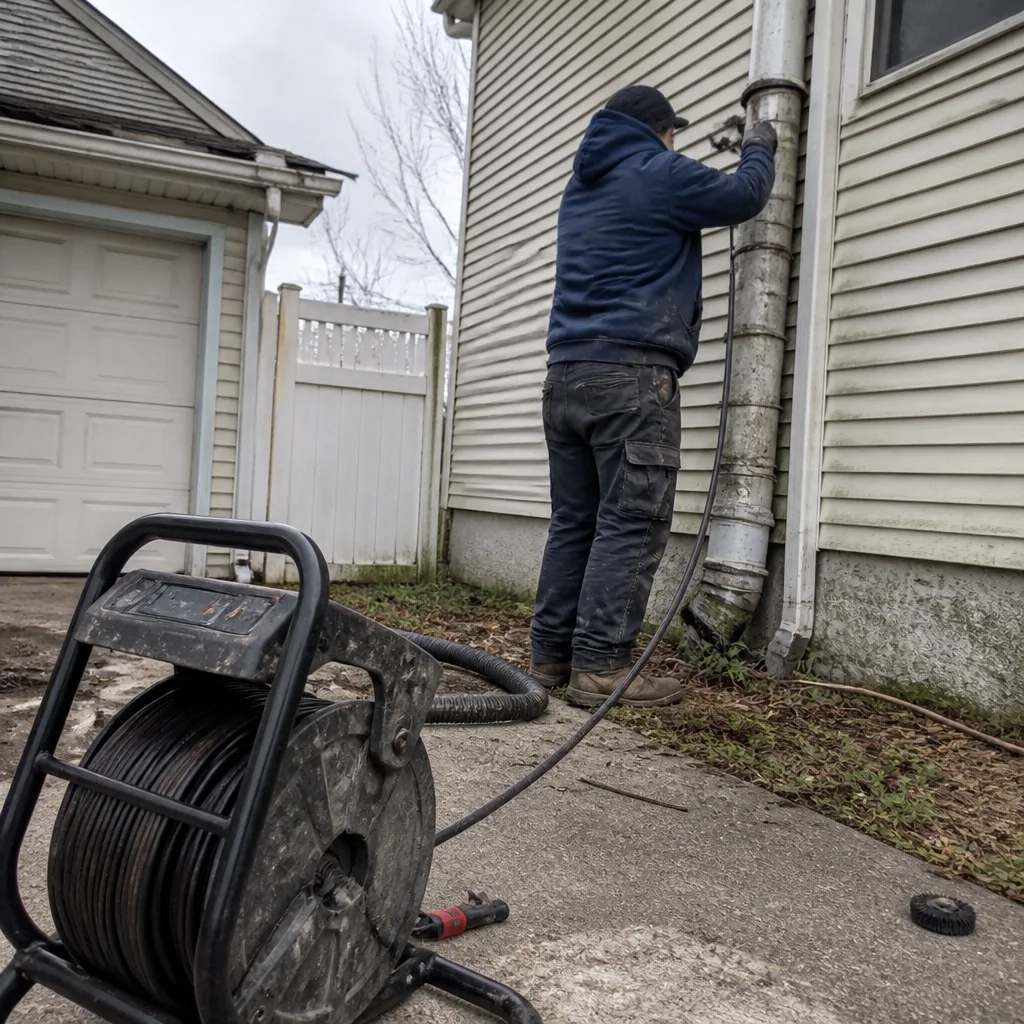 Before
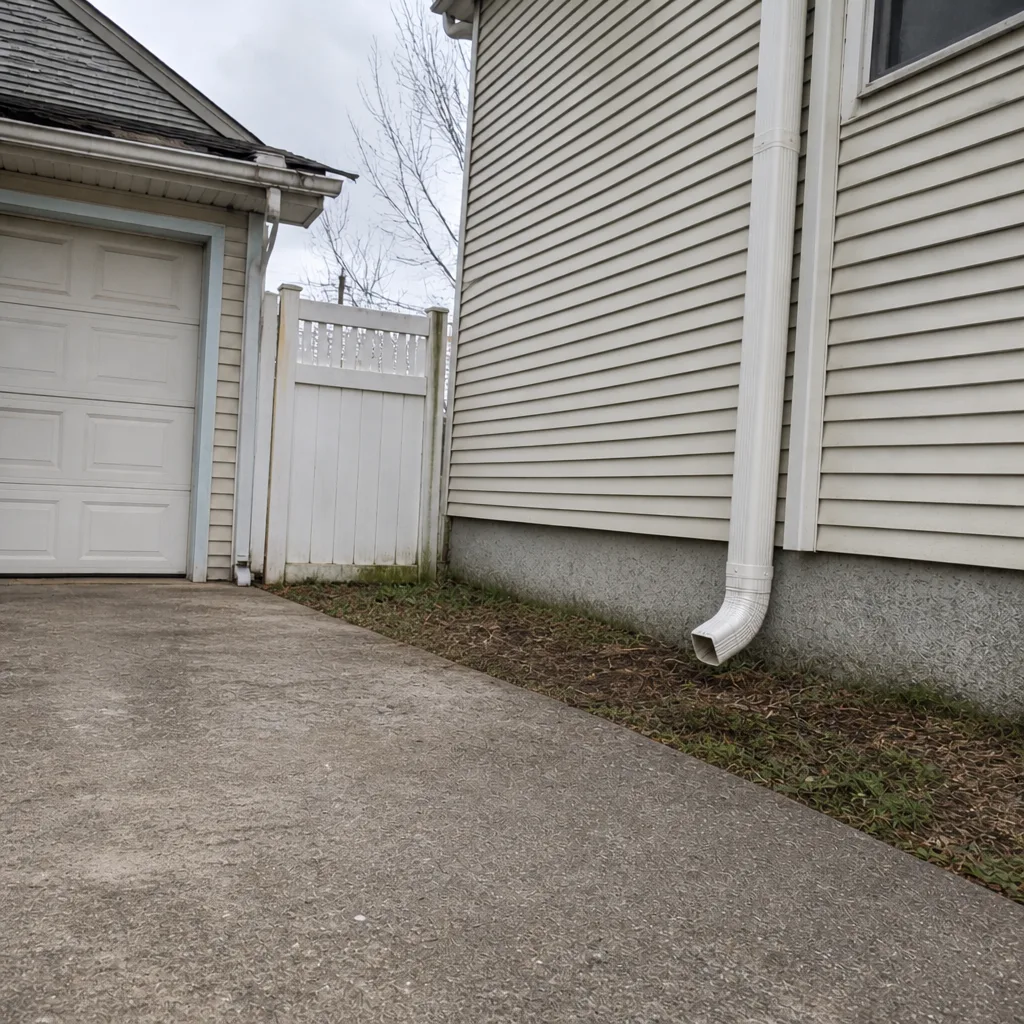 After
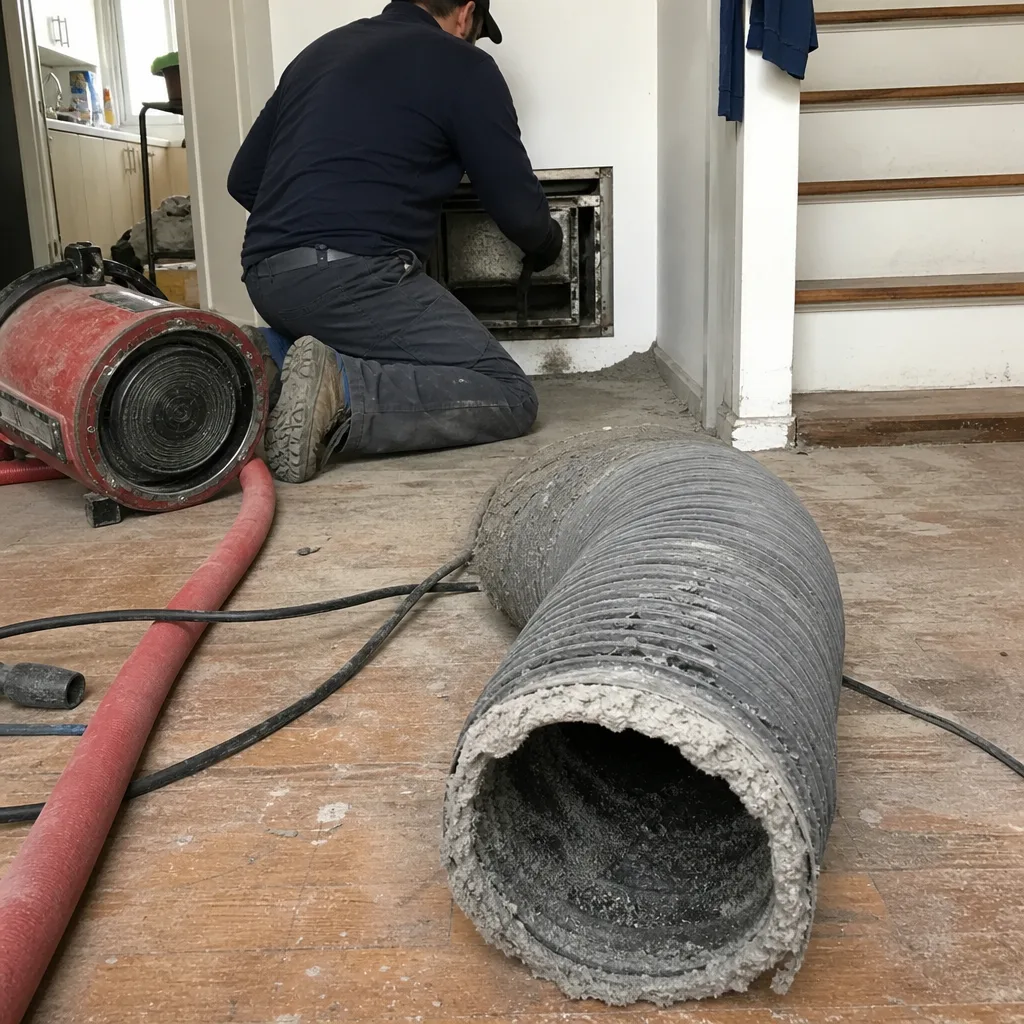 Before
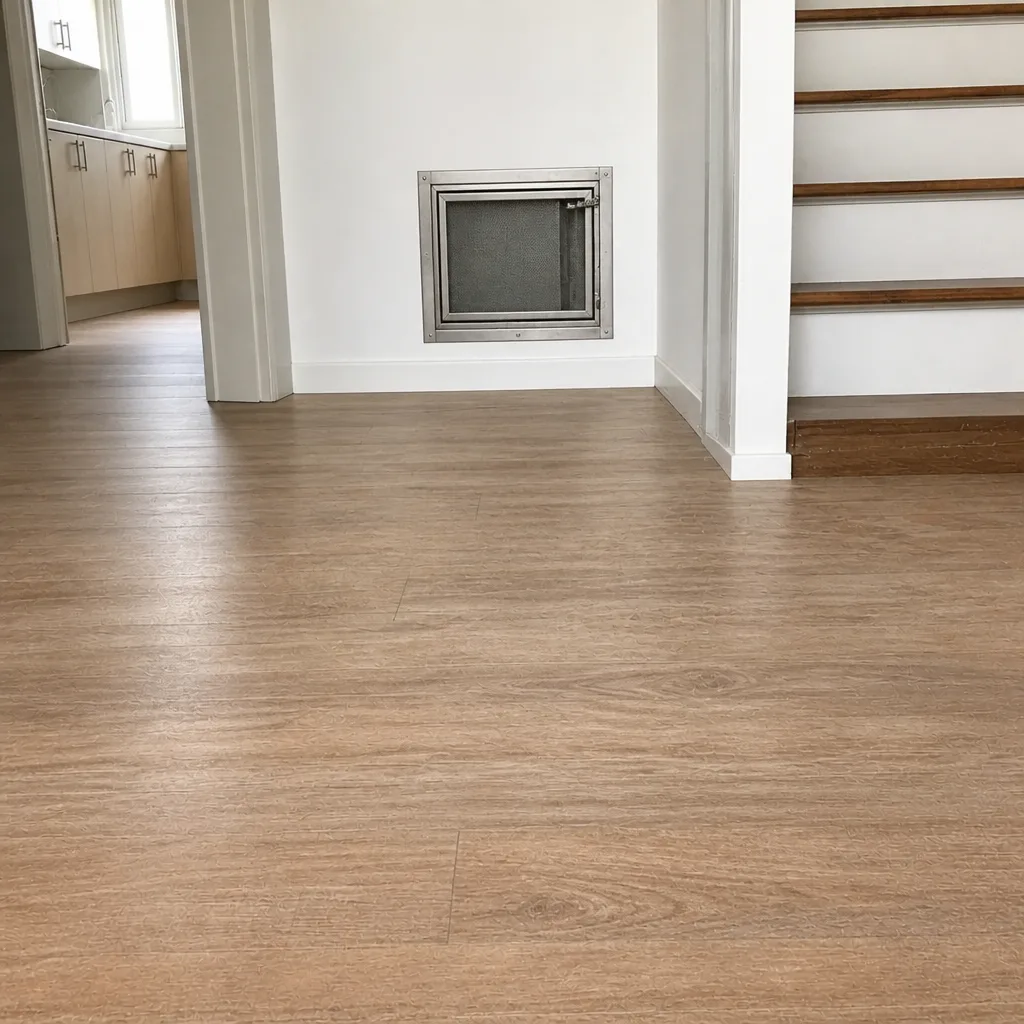 After
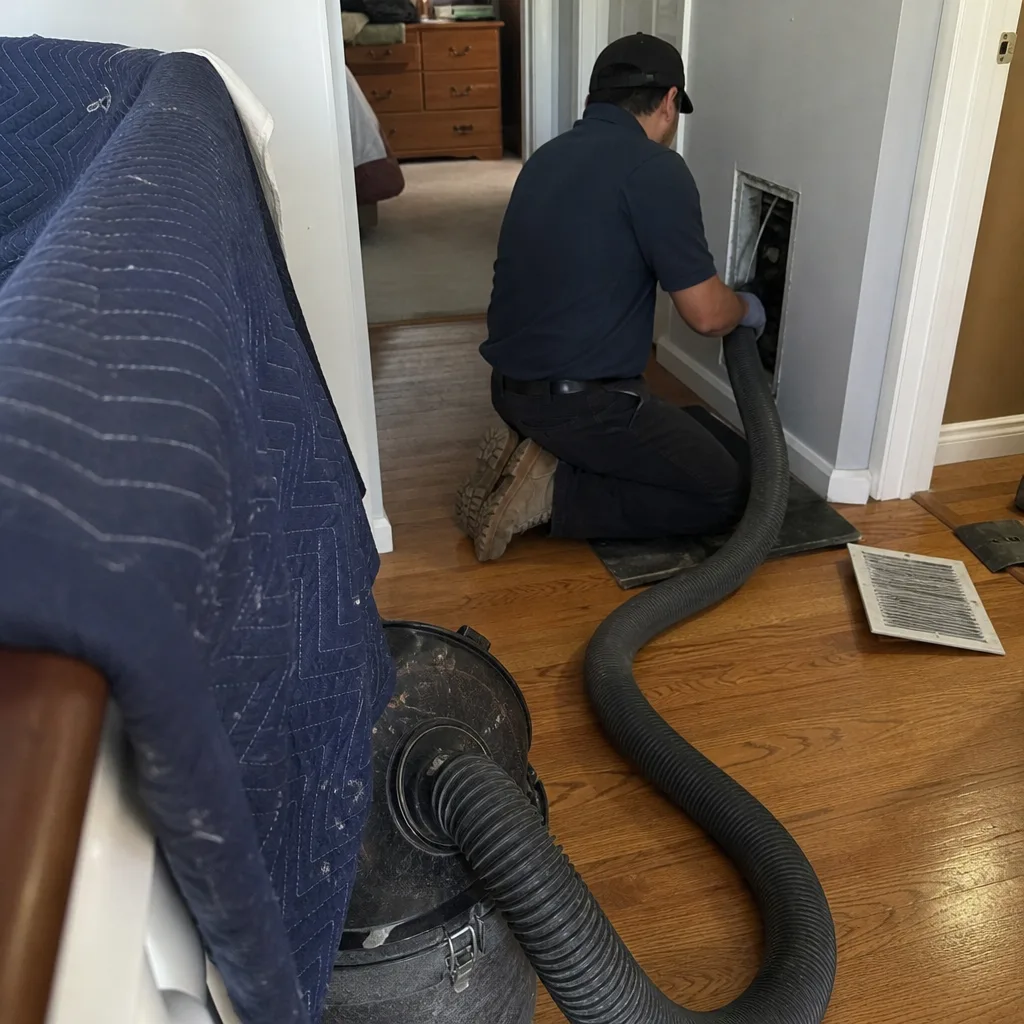 Before
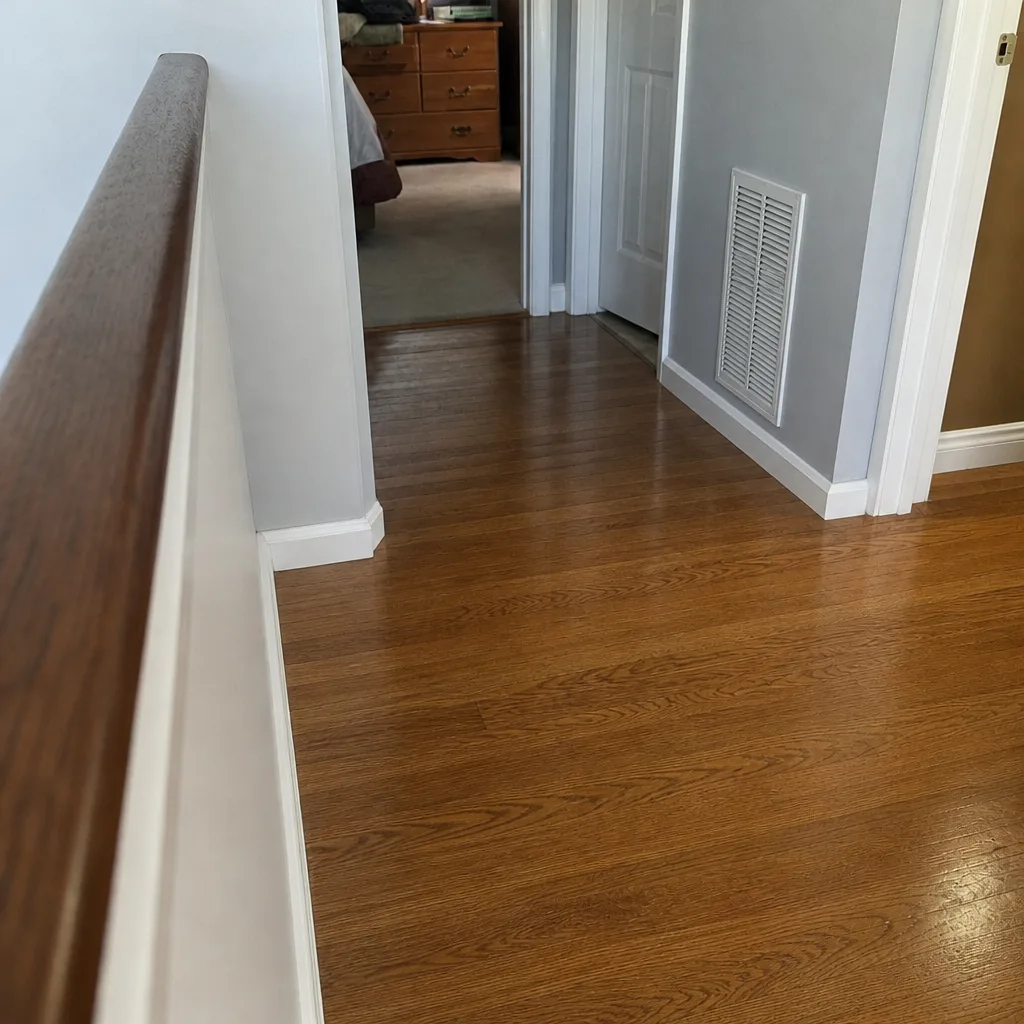 After
When to Call a Professional
Call a professional after any flood that reached the air handler or ductwork, after any fire in your unit or an attached neighbor’s, after an emergency renovation where registers weren’t sealed, and whenever there’s evidence of rodents in the duct system. Also call if you smell persistent musty or smoky odor when the system runs, if you see visible debris coming from a supply register, or if you’re not sure whether the ducts were affected and need to know before the system runs again. In any of those cases, an inspection is the right next step. Air Duct Cleaning Astoria offers free estimates in Astoria – call (855) 510-1266. We answer 24/7. Fast dispatch from 7am to 7pm, Sunday through Friday. The estimate is free, and the price is set per job by the written estimate.
Frequently Asked Questions
Do not run it until the duct system and air handler have been inspected and, if contaminated, professionally cleaned. Running the system to dry things out is the most common post-flood mistake, and it spreads moisture, sediment, and biological contamination through the living space. Shut it off at the thermostat and breaker, document the water line, and call for an inspection before normal operation resumes.
Yes. In attached Astoria rowhouses, smoke travels through shared wall cavities and pressure paths, and if your system is running, smoke can be drawn into the return side and deposited on the duct walls. Even if the fire didn’t enter your unit, the duct system should be inspected and cleaned before it’s used for heating or cooling. Smoky odor that persists when the system runs is a sign the ducts need attention.
Stop using the HVAC system and call a professional before cleaning anything yourself. Rodent droppings carry pathogens that become airborne when disturbed, and a shop vac can move those particles into the air. The right sequence is to locate and seal the entry point, then mechanically clean and sanitize the system before it goes back into use. This isn’t a job for household equipment.
Pricing is set per job by a written estimate after the system has been assessed, and it depends on the size of the system, the number of runs, the contamination level, and whether repairs or sealing are needed. What we don’t do is quote a low teaser price and then add charges on site. Call (855) 510-1266 for a free estimate – the written price is one flat price per system, agreed before work starts.
Usually because the scope is smaller than the job. A quote that doesn’t include the full system, doesn’t include sanitizing after cleaning, and doesn’t account for repairs is not the same job as one that does. The other variable is equipment: purpose-built duct cleaning systems like the Rotobrush and Nikro units we use are designed for the job, and consumer-grade vacuums are not. Ask what’s included in the quote – full system, sanitizing, repairs, and before-and-after photos – before comparing prices.
Ask for before-and-after photos of your own duct system. Photos taken during the process show what the ducts looked like before cleaning and after, and they’re the clearest way to confirm the work was done. If a contractor can’t provide photos of your system, that’s a sign to ask more questions.
The Bottom Line
Duct emergencies in Astoria aren’t rare – they’re just hidden. Flooding, neighbor fires in attached rowhouses, emergency renovations, and pest infiltration all put contamination into the duct system, and in every case the right move is the same: shut the system off, get it inspected, and clean and sanitize before it runs again. Prepare now by documenting the system, know the sequence for each scenario, and don’t run the HVAC to “air things out” after an event. Professional-grade cleaning, repair and sealing, and sanitizing all belong in the same response. From cleaning to sealing to sanitizing, handled by one specialist, we’re here when you need an assessment. Call (855) 510-1266. We answer 24/7. Fast dispatch from 7am to 7pm, Sunday through Friday.
Written by the team at Air Duct Cleaning Astoria.