
Last updated November 22, 2026
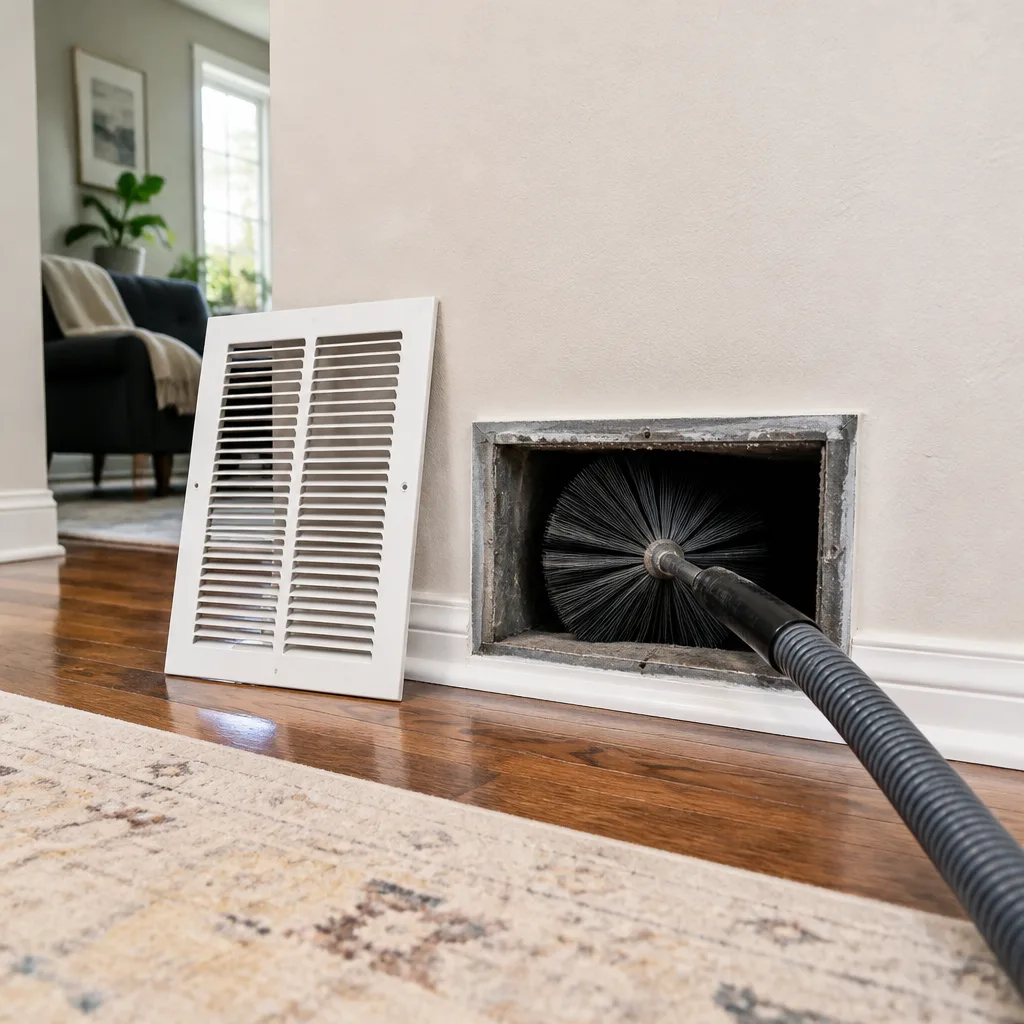 Whole-home duct cleaning
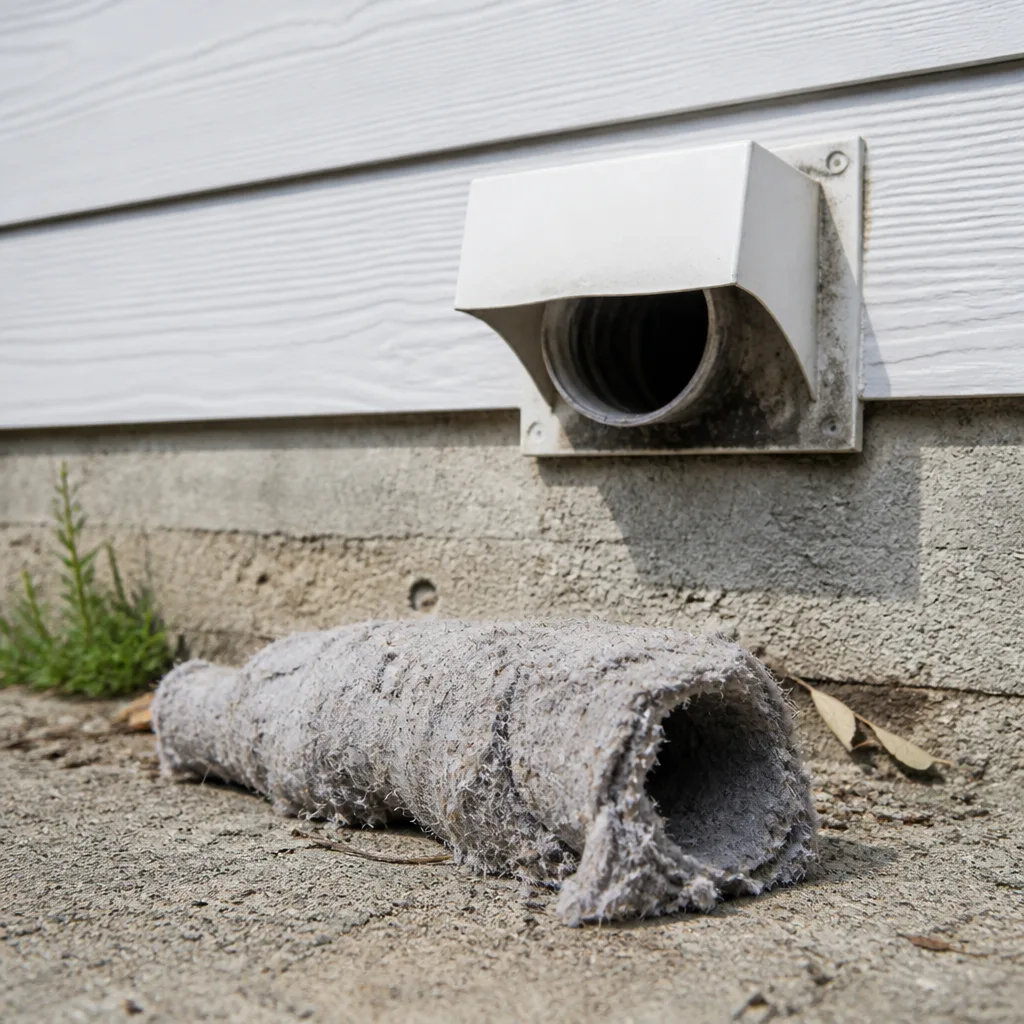 Dryer vent cleaning
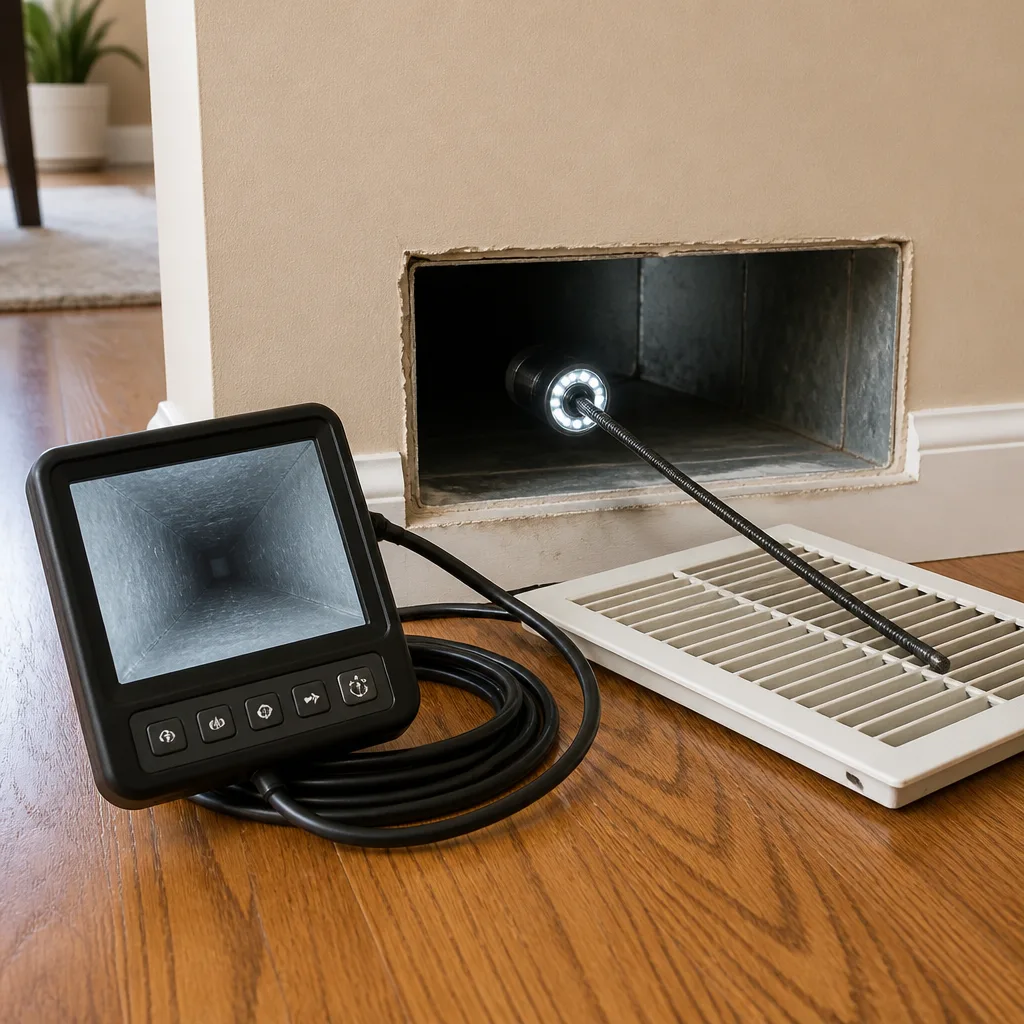 Camera inspection
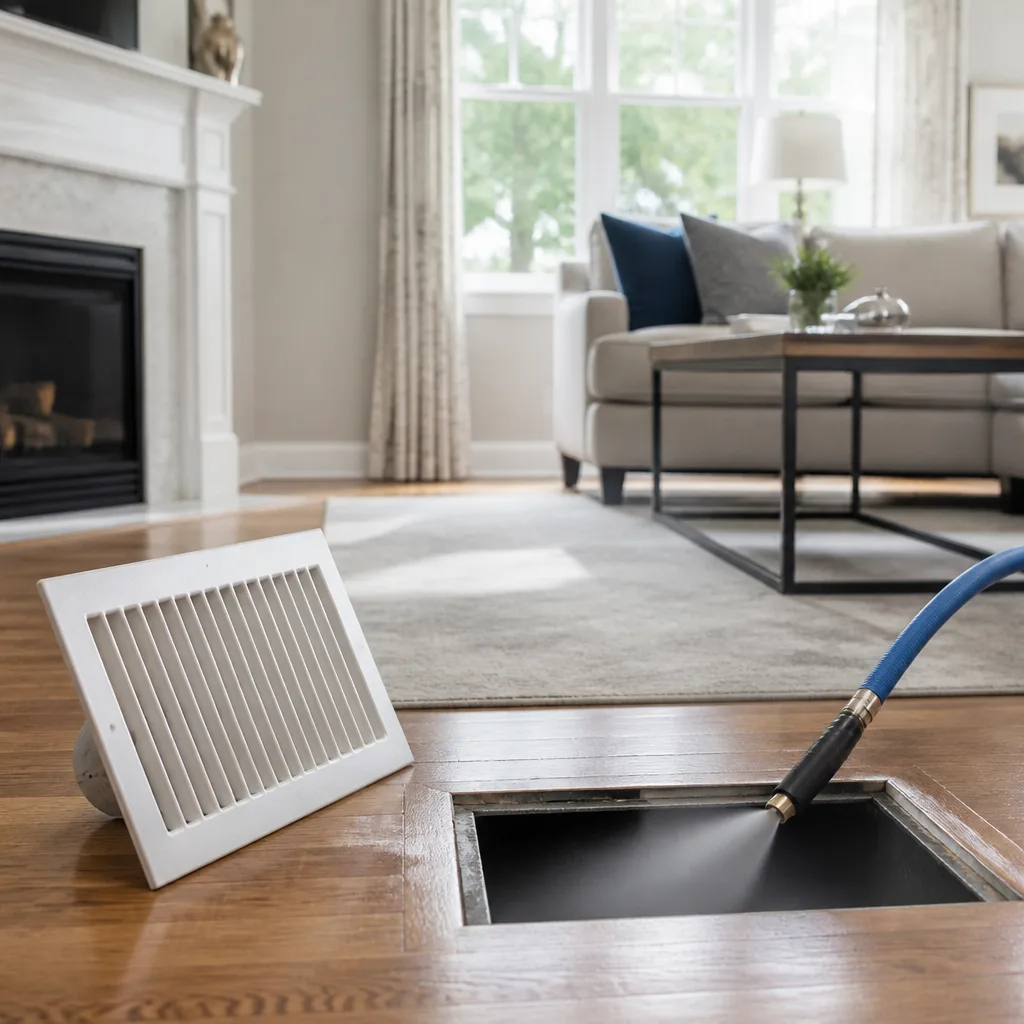 Sanitizing & deodorizing
Whole-system duct and dryer vent check with before-and-after photos - you see exactly what came out of your vents
That "$99 whole-house special" is a bait ad - the real number appears once they are in your hallway, or the "clean" is a shop-vac at the register. We photograph the inside of your ducts before and after instead.
Air Duct Cleaning Permits, Codes & Inspections in Astoria, NY: What You Need to Know
No one pulls a permit to vacuum a duct. But if the technician who comes to clean finds a collapsed flex duct run and replaces it, or wires a UV air purifier into your air handler, you may now have unpermitted mechanical work in a building where the paper trail follows the property, not the contractor. That’s the line most Astoria homeowners don’t know exists: cleaning is maintenance, and modification is construction. This guide draws that line clearly for anyone in Astoria, NY, so you know what requires a licensed filing, what a co-op board will ask for, and what records to keep.
Quick Answer
Air duct cleaning by itself almost never requires an NYC Department of Buildings permit, because it counts as maintenance of an existing system. Work that changes the system – replacing ducts, installing dampers, adding a powered air purifier, or altering airflow – is treated as an alteration, and that generally does need a permit and a licensed professional’s sign-off. In Astoria, co-op and condo boards usually add their own approval requirements on top.
Styles & brands we work with
- Whole-home duct cleaning
- Dryer vent cleaning
- Camera inspection
- Sanitizing & deodorizing
Table of Contents
- Where Permits Actually Enter the Picture
- The NYC DOB Threshold: Maintenance vs. Alteration
- Local Law 97 and Energy Code Effects on Duct Work
- What Astoria Co-op Boards Expect
- Cleaning a System vs. Modifying It
- How to Verify and Document Code-Compliant Work
- What a Building Inspection Looks For
Where Permits Actually Enter the Picture
Most of what a duct cleaning visit involves is pure maintenance. The technician connects professional-grade equipment – the kind of purpose-built systems that Rotobrush and Nikro make for duct work – applies negative pressure to the return, agitates the duct walls, and extracts the loosened debris. No cutting, no new materials, no change to the system’s design. Nothing about that sequence touches a permit.
The moment a job crosses into altering the system, the rules change. Here’s how that typically breaks down in Astoria:
- Pure cleaning: no permit. The system stays exactly as designed.
- Sealing leaks with mastic or tape: usually treated as maintenance when the duct layout is unchanged.
- Replacing a damaged duct section or flex run: this is a repair to the mechanical system and calls for a closer look at whether a filing is required.
- Adding dampers, diverters, or new branches: an alteration, since airflow design changes.
- Installing a powered UV purifier or inline filtration unit: new electrical plus new equipment in the air path, which tends to trigger permit conversation.
If you live in one of the older walk-ups around Ditmars or near Astoria Park, the ducts themselves may be original to the building, but that doesn’t change the rule. What matters is whether the work keeps the system as-is or changes it. When our technicians spot something that looks like alteration territory, we flag it before we touch anything rather than after – the homeowner can then decide whether to file.
The NYC DOB Threshold: Maintenance vs. Alteration
The NYC Department of Buildings draws a firm distinction between maintenance and alteration, and it’s the same distinction that governs permit requirements across the five boroughs. Maintenance keeps a system working as designed. Alteration changes what the system is or does. A permit is about the latter.
When duct work counts as an alteration, filing generally involves a licensed professional submitting plans and pulling the permit. That professional should be licensed to do mechanical work in New York City. The scope of work has to be described and the work inspected after. If your contractor proposes to reroute a supply run or add a new duct branch without any filing, ask why – “it’s just a small change” is not a code answer.
A practical checklist before work starts:
- Ask the contractor directly whether the proposed repair changes the system’s design or layout.
- If it does, ask who is filing the permit and confirm they’re licensed to do so.
- Request the filing number once submitted, and keep a copy.
- Ask whether an inspection will follow the work, and who handles it.
- Get the answer in writing before approving the job.
We connect homeowners with licensed, insured local professionals who handle the work and the paperwork the law requires – the company itself only connects you to those professionals, so the licensed contractor files; not us. That chain of accountability is exactly what a DOB record reflects.
Local Law 97 and Energy Code Effects on Duct Work
Local Law 97 sets carbon-emissions limits for larger residential buildings across New York City, and Astoria has its share of mid-rise and larger apartment buildings that fall within its scope. All building owners are subject to the same limits. What does duct work have to do with carbon? Air handling accounts for a sizeable slice of any large building’s energy use, and leaky ducts waste that energy. Sealing and repairing ducts is one of the practical tools building managers use to bring consumption down.
In buildings over 25,000 square feet, duct sealing along with other upgrades gets folded into required energy benchmarking and efficiency work. When owners and managers schedule duct repair in those buildings, the sealed sections are documented alongside the other upgrades. That means duct seals in a larger Astoria building can end up part of the building’s energy compliance record – one more reason to insist that any duct work be done to code and be documented.
New York’s energy code amendments track the same direction: air distribution systems should be sealed and tested where practical. In practical terms, that supports both the repair and the documentation. Our technicians use Guardsman sealing and repair products where a seam needs rebuilding, which keeps the repair within what the system and the local building professionals can sign off on.
What Astoria Co-op Boards Expect
Astoria’s residential stock runs from pre-war co-ops to newer condo conversions, and in any co-op or condo, the board is often stricter than the DOB. Boards generally ask for more than the minimum, and they can demand it before work begins, not after.
These are the items boards in Astoria most often ask for before approving HVAC-adjacent work:
- Contractor license and insurance certificate: a current certificate of insurance naming the building, plus proof of license.
- Scope of work: a plain-language description of what, exactly, will be done.
- Work hours and access: when the contractor expects to be on site and how they’ll reach the unit.
- Cleanup plan and protection: how the contractor keeps dust from migrating.
- Evidence cleanup after work: photographs before and after, which we provide on every job.
The board’s job is protecting the shared building, so treat the list as fixed. Get your contractor’s license and insurance documents to the management agent well ahead of any scheduled work. If the board asks for permits before allowing the work, that’s their right, and it’s worth confirming whether the repair actually needs one. Most Astoria boards are practical about pure maintenance; they get cautious when a contractor wants to change the system.
Cleaning a System vs. Modifying It
Here is the clean test for you as a homeowner: is the contractor removing contaminants from the existing ducts, or changing the ducts themselves? Cleaning removes contaminants. Modification changes the system.
Cleaning a system means putting the duct under negative pressure and agitating the interior walls, so loosened debris gets captured by the extraction unit. Our technicians use professional-grade equipment from Rotobrush and Nikro – purpose-built duct systems, not shop vacuums – so debris is removed rather than pushed elsewhere in the system. Air quality and sanitizing are part of our scope too, using products from Aprilaire and Honeywell where the situation calls for them.
Modifying the air path touches the system’s design and can require a permit. A good contractor trains their eye to spot the difference and says so before tools go in:
- The technician inspects the system and finds a problem like a collapsed flex duct run, a rotted boot, or a crushed return.
- They tell you on the spot whether fixing it qualifies as maintenance or alteration, and what the code requires if it’s the latter.
- You get the choice: do the repair with licensed sign-off, or have the cleaning done and the repair scheduled separately.
- Either way, nothing gets touched under the table.
If someone tells you a major duct repair is “just maintenance,” get a second opinion. It’s cheaper than discovering unpermitted work in a co-op review.
How to Verify and Document Code-Compliant Work
Verification starts before the work begins, not after. What you collect before a job is what proves after a job that the work was done to code. Clean records also serve you well when a building inspection comes around or when you sell your unit.
Here’s what to keep:
- Written scope: description of the work, including what will be cleaned and what will be repaired or replaced.
- Permit number, if any: plus a copy of the partial or full filing where relevant.
- Contractor license and insurance: current certificate, named to the building if the board asks.
- Before-and-after photographs: particularly useful for showing the system was modified, or simply cleaned.
- Inspection sign-off: from the DOB if a permit was filed, or from the building manager if the board required approval.
- Receipts: yes, receipts from the job count as evidence in a board review.
If you own a condo or co-op in Astoria, keep these records together with your unit file. They come up during resale; a buyer’s attorney will want to see what was filed or approved. Our team at Air Duct Cleaning Astoria can walk you through this part of the process.
What a Building Inspection Looks For
A building inspection, whether DOB or board-driven, looks for evidence that the work done matches what was authorized. The paperwork and the work need to agree. If a permit was required and not filed, the inspection will notice that absence. If the work was done differently than described, the inspection will notice that too.
Common items on an inspection checklist include:
- Whether any work was performed on the building’s mechanical systems without a filing, where one was needed.
- Whether duct modifications were done by a licensed professional.
- Whether documentation exists for maintenance and alterations – just the fact it exists.
- Whether altered sections of the system show signs of code-compliant repair.
The most reliable path is to have the professional handling your HVAC cleaning also handle the paperwork conversation – not because they’re the same trade, but because they know the difference between a clean and a modification. That’s also why we keep our scope tight: cleaning, dryer vent cleaning, HVAC cleaning, duct repair and sealing, and air quality and sanitizing. Anything outside it, we tell you.
Common Mistakes to Avoid
- Assuming every visit needs a permit. Routine air duct cleaning is maintenance and generally doesn’t need a DOB filing. The mistake is the opposite: having major duct replacement done without one.
- Not asking about the permit before the work starts. Once the drywall is back up, an unfiled alteration is hard to fix. Ask first.
- Hiring whoever knocks on the door. Front-door duct cleaning offers tend to skip the essentials like insurance, a work scope, and cleanup. In a co-op building, those omissions become your problem.
- Skipping the board. Starting work without board approval can get you fined or asked to stop mid-job. Board approval takes time, so plan accordingly.
- Leaving with no photographs or records. If a building inspection turns up later, you need proof of what was done and when. Ask for the before-and-after photos.
- Treating a “seal” as a simple repair. A seal can be maintenance, but it can also be part of a larger alteration that was supposed to be filed. Always ask.
- Forgetting about the dryer vent. In a co-op, the dryer vent is part of the fire-safety picture and often requires building sign-off for any changes. Same rules apply.
See the difference
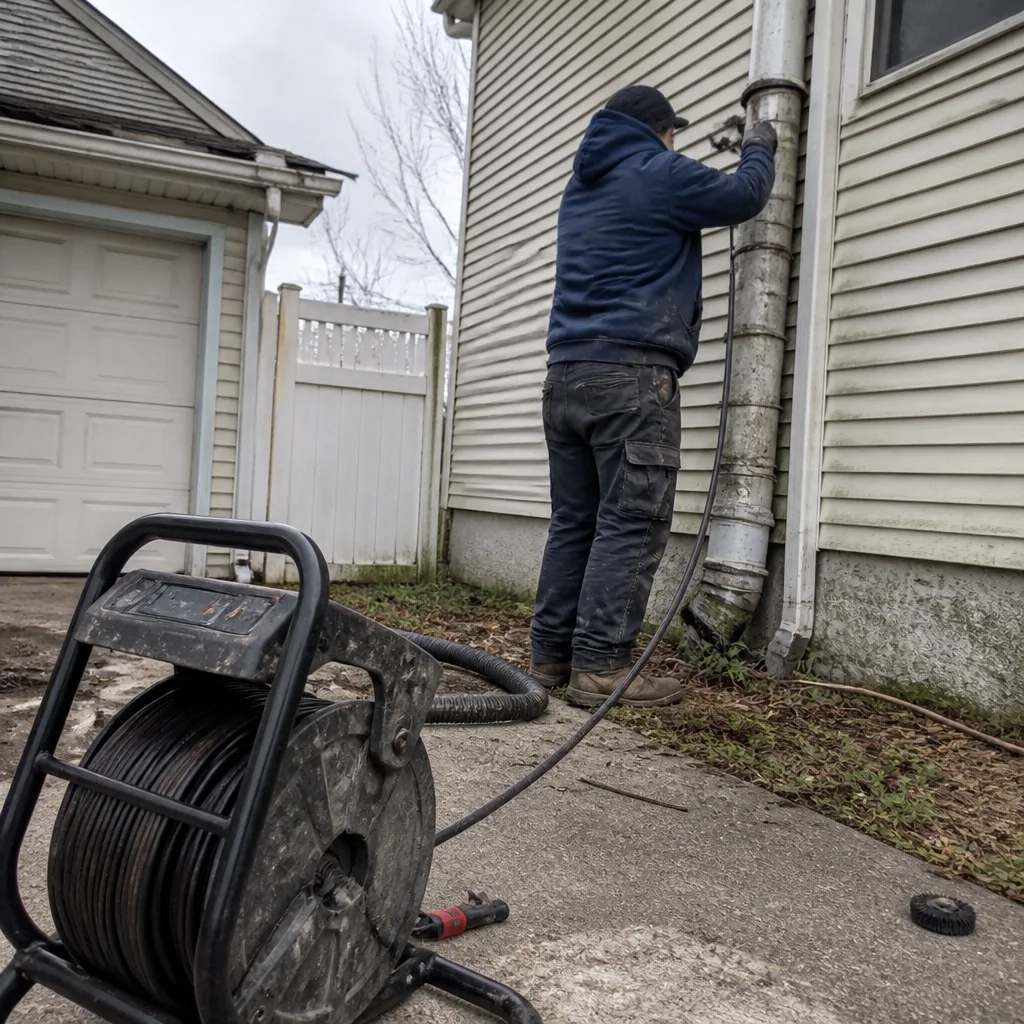 Before
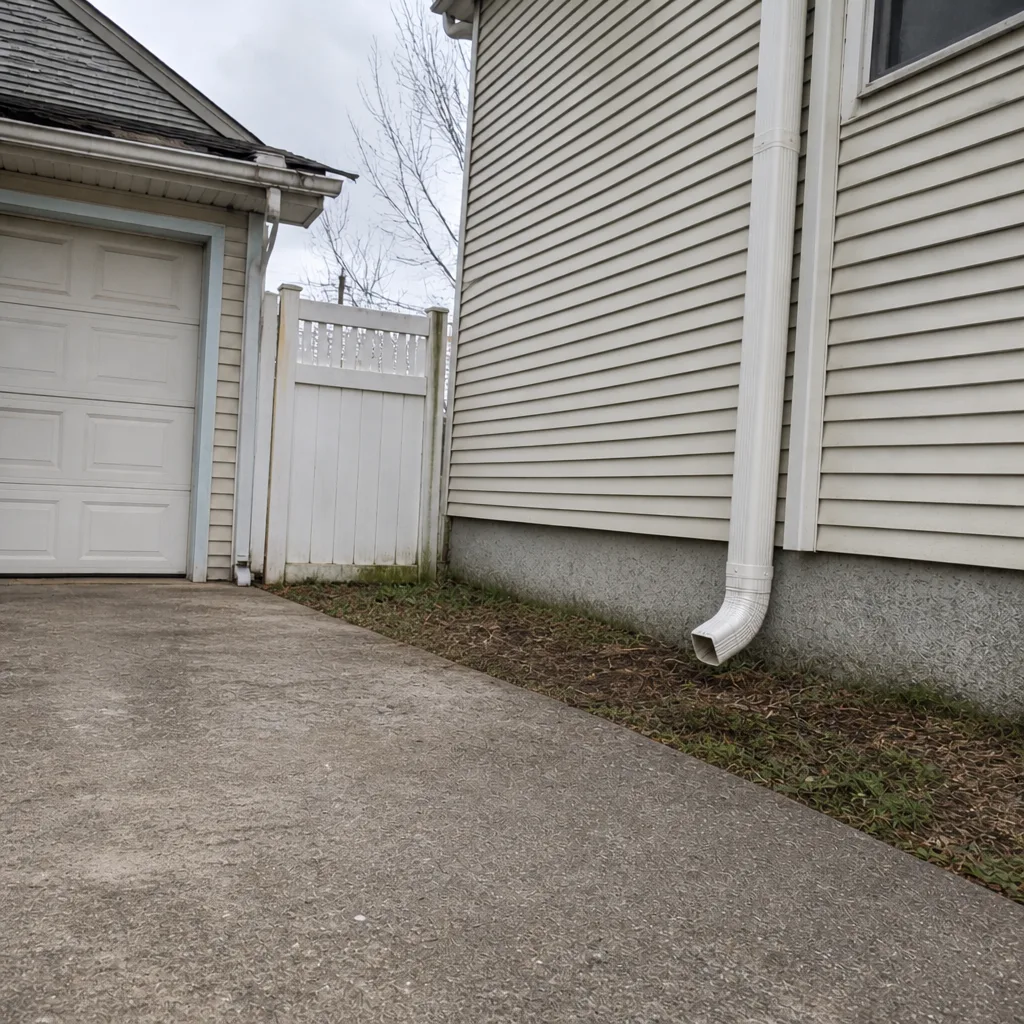 After
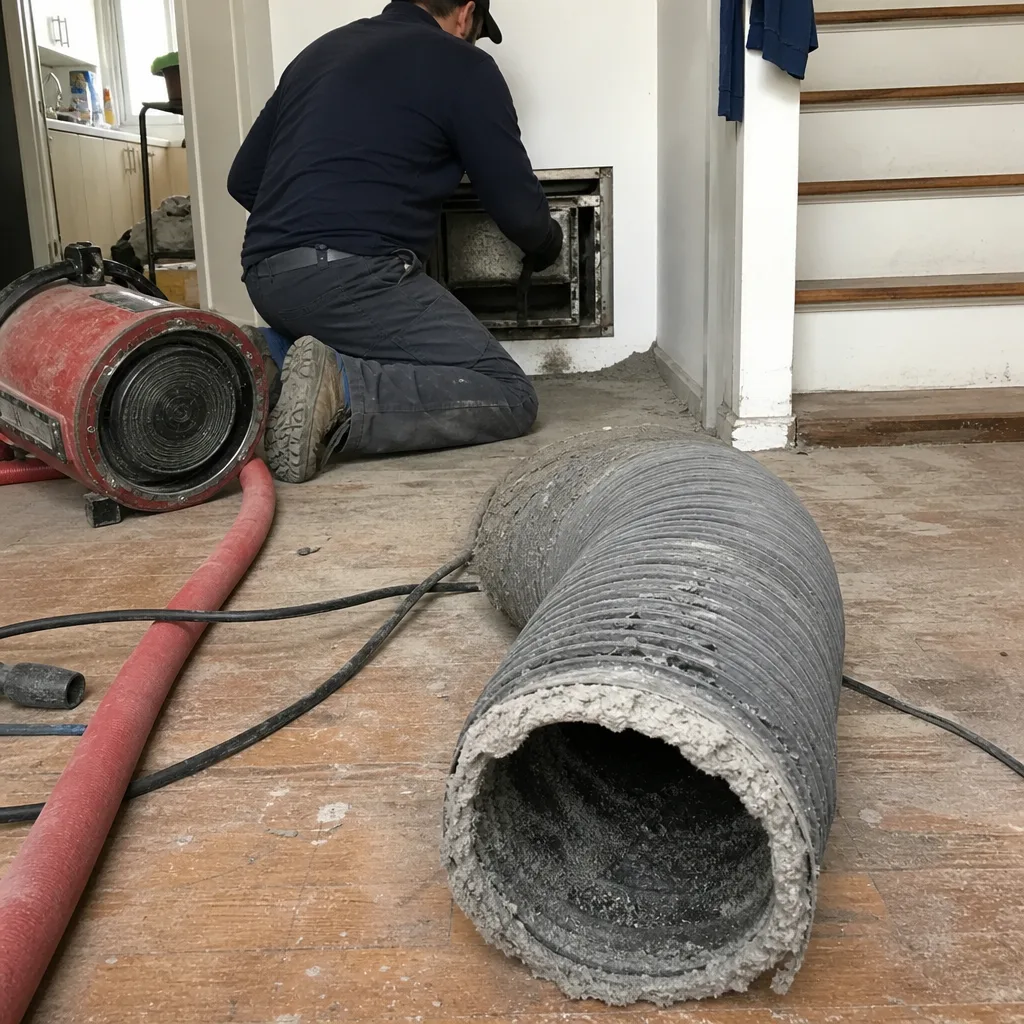 Before
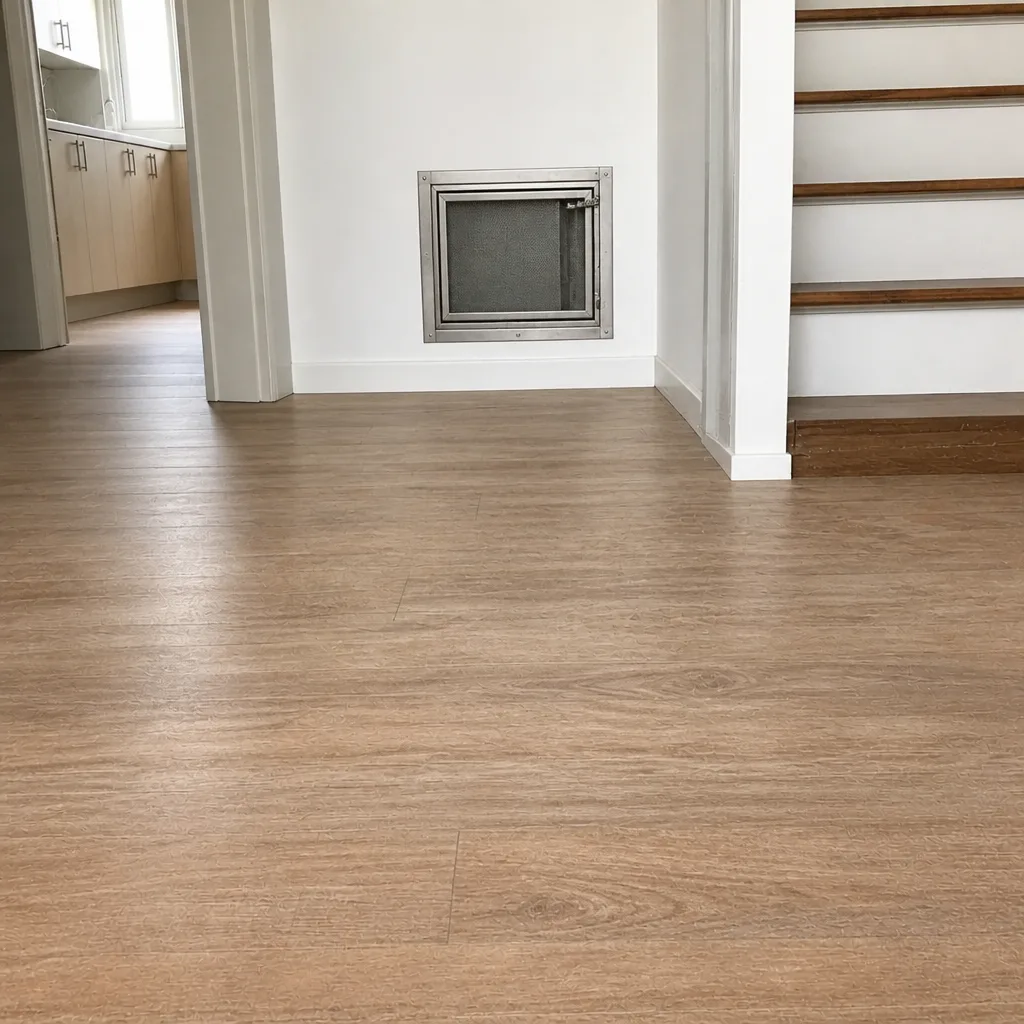 After
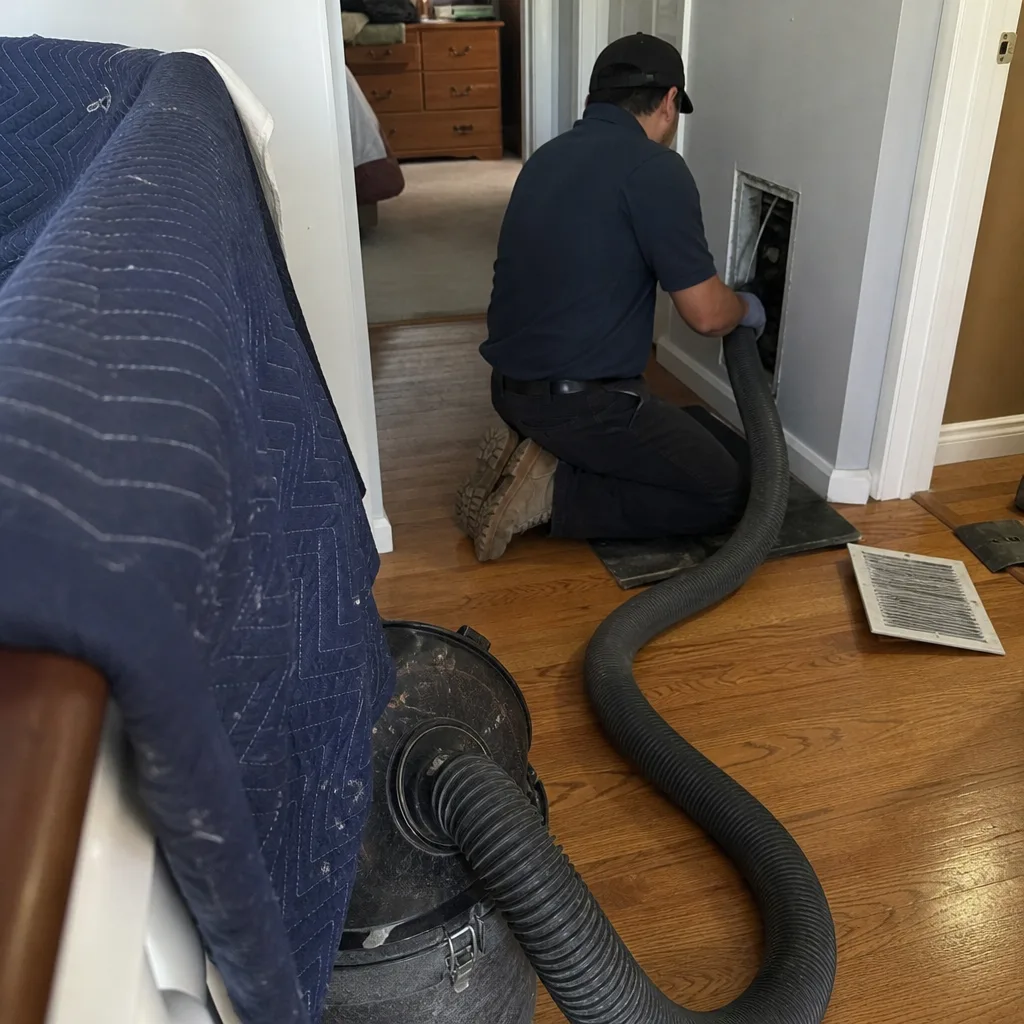 Before
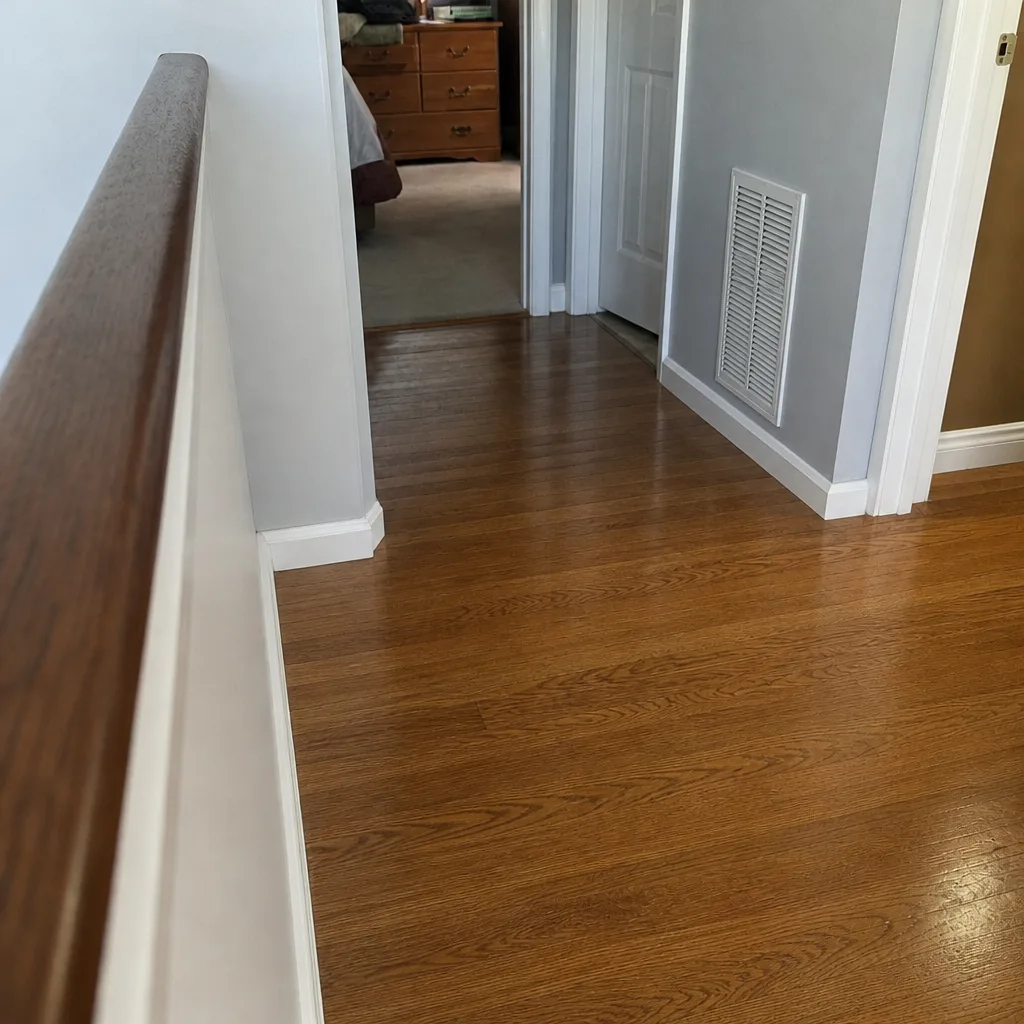 After
When to Call a Professional
Call before the work, not after. That means if you’re noticing poor airflow, musty smells, visible dust around the registers, or the buzzers and bangs that come with loose ducts, a professional inspection comes first. If your Astoria co-op board has raised questions about work done in your unit, a professional can help you sort out what was cleaning and what was modification. If you’re about to have a dryer vent cleaned and the vent run changes at the same time, ask about code requirements early. If you’re planning a renovation that might affect duct routing, a pro can talk you through permit thresholds before anyone cuts drywall. Air Duct Cleaning Astoria offers free estimates in Astoria – call (855) 510-1266 for air duct cleaning and HVAC cleaning. We answer 24/7, with fast dispatch from 7am to 7pm, Sunday through Friday.
Frequently Asked Questions
Generally no. Cleaning an existing duct system is treated as maintenance, so it doesn’t require a DOB filing. A permit becomes relevant when the work alters the system, such as replacing ducts, adding dampers, or installing new air-path equipment. If you’re unsure, ask the contractor to confirm before work starts. Call (855) 510-1266 for an exact quote – estimates are free.
An alteration is any work that changes the system’s design: new duct runs, new dampers, a replaced section that changes airflow, or added electrical equipment in the air path. Maintenance keeps the system as it was. The distinction matters because a permit is tied to alteration, not maintenance. Ask for the answer in writing before any work begins.
It can. Local Law 97 puts carbon limits on larger residential buildings in New York City, and duct sealing is one of the practical ways buildings reduce air-handling energy use. If your building is in scope, duct sealing documentation may become part of the building’s energy compliance record. Our technicians can handle the sealing and document the work.
Most boards ask for the contractor’s license and insurance certificate, a written scope of work, and expected hours on site. Some ask for a cleanup plan and photographic proof of the work afterward. Get those items to the management office before work starts – the board can hold up work for missing paperwork, and you don’t want to be caught mid-job. Call us when you’re ready to get those details together.
Collect the right records before the work starts: the written scope, the contractor’s license, insurance certificate, permit number if any, and before-and-after photos. Then keep them with your property file. If a permit was filed, the DOB inspection sign-off is the strongest form of proof. Call (855) 510-1266 for an exact quote – estimates are free.
Often, yes. Our technicians can assess a duct system, handle both the cleaning and the repair and sealing on the same visit, provided the repair doesn’t require a permit filing. If it does, we flag that first and the homeowner decides how to proceed. Our dryer vent cleaning works the same way.
The Bottom Line
Cleaning your duct system is maintenance and virtually never requires a permit in Astoria, NY. The moment the work changes the system, that changes. Repairs, replacements, and added air-path equipment can cross into alteration and require a DOB filing plus licensed sign-off. In co-op and condo buildings, the board’s requirements sit on top. Document everything, ask the permit question before the first tool goes in, and keep the record. For air quality and service beyond the duct itself, we’re at (855) 510-1266 for a free estimate. We answer 24/7. Fast dispatch from 7am to 7pm, Sunday through Friday.
Written by the team at Air Duct Cleaning Astoria.