
Last updated November 22, 2026
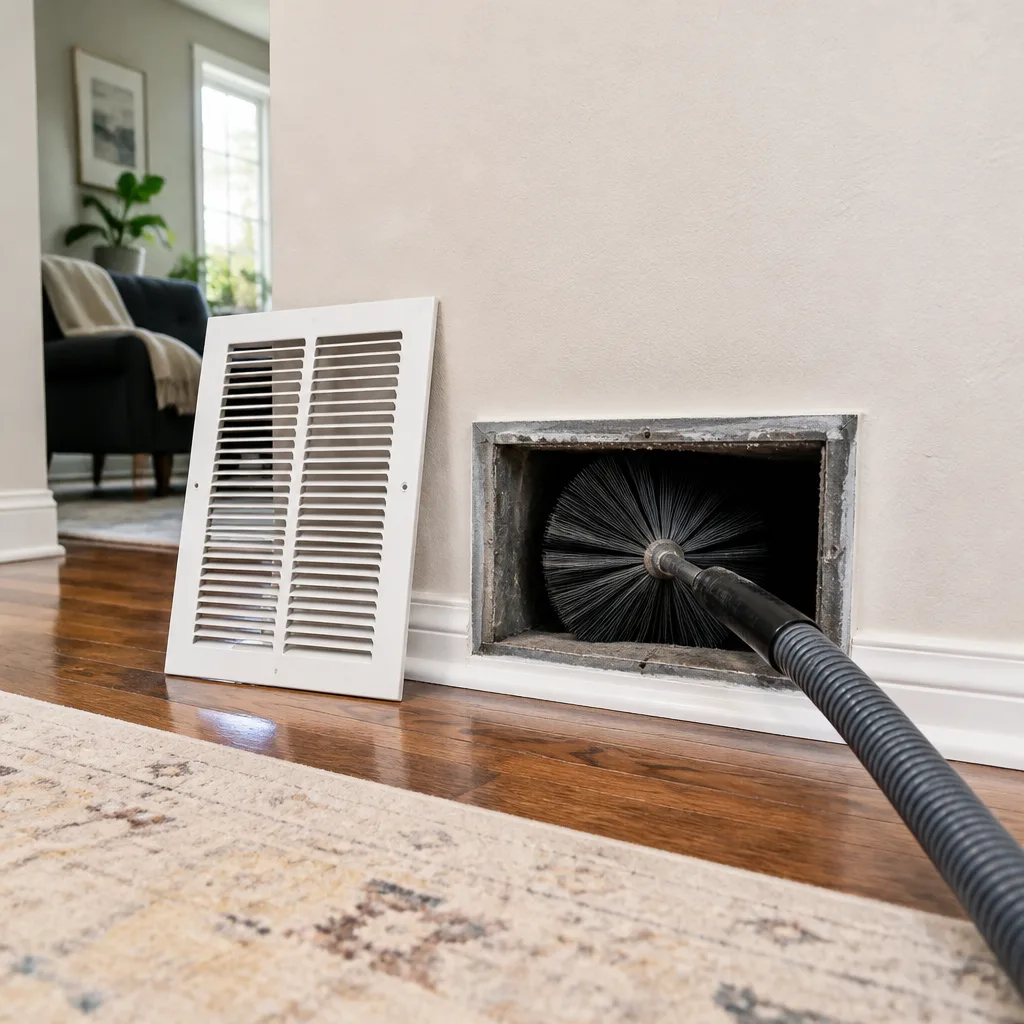 Whole-home duct cleaning
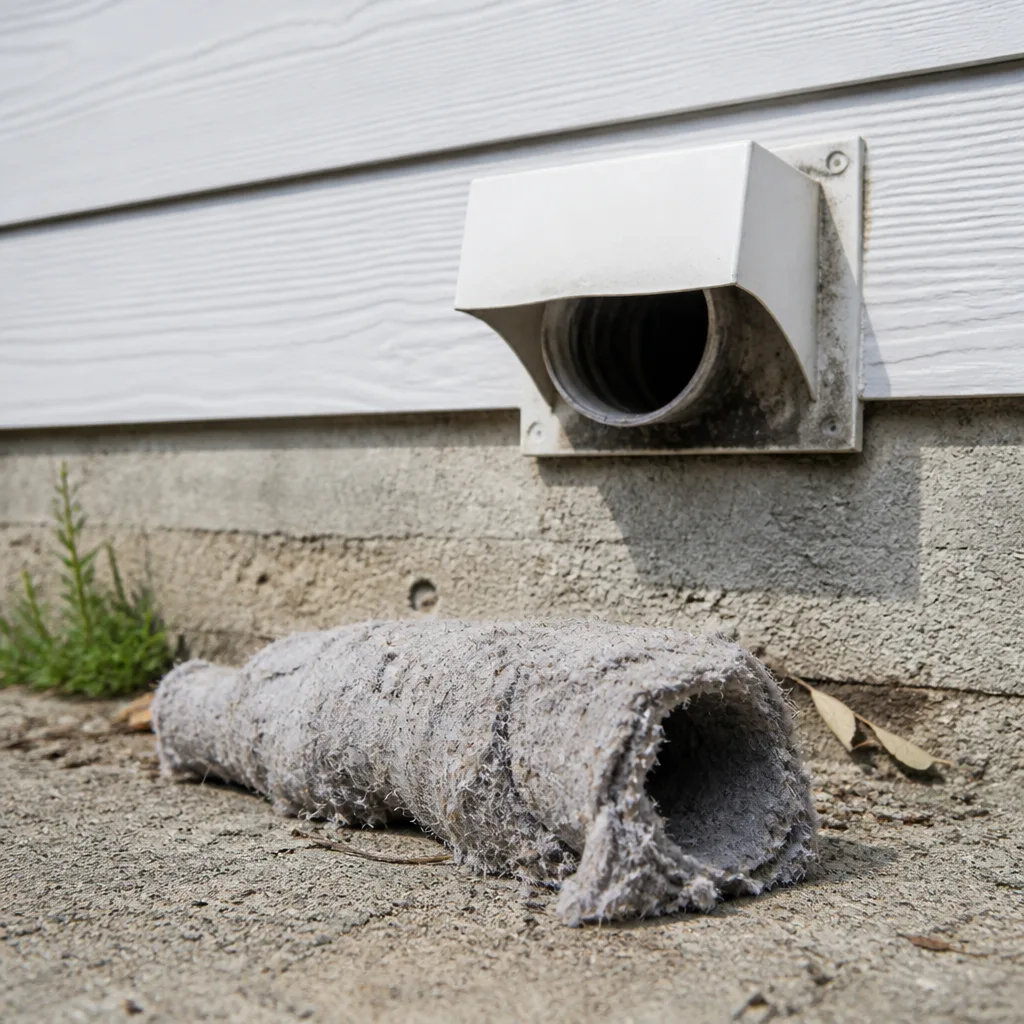 Dryer vent cleaning
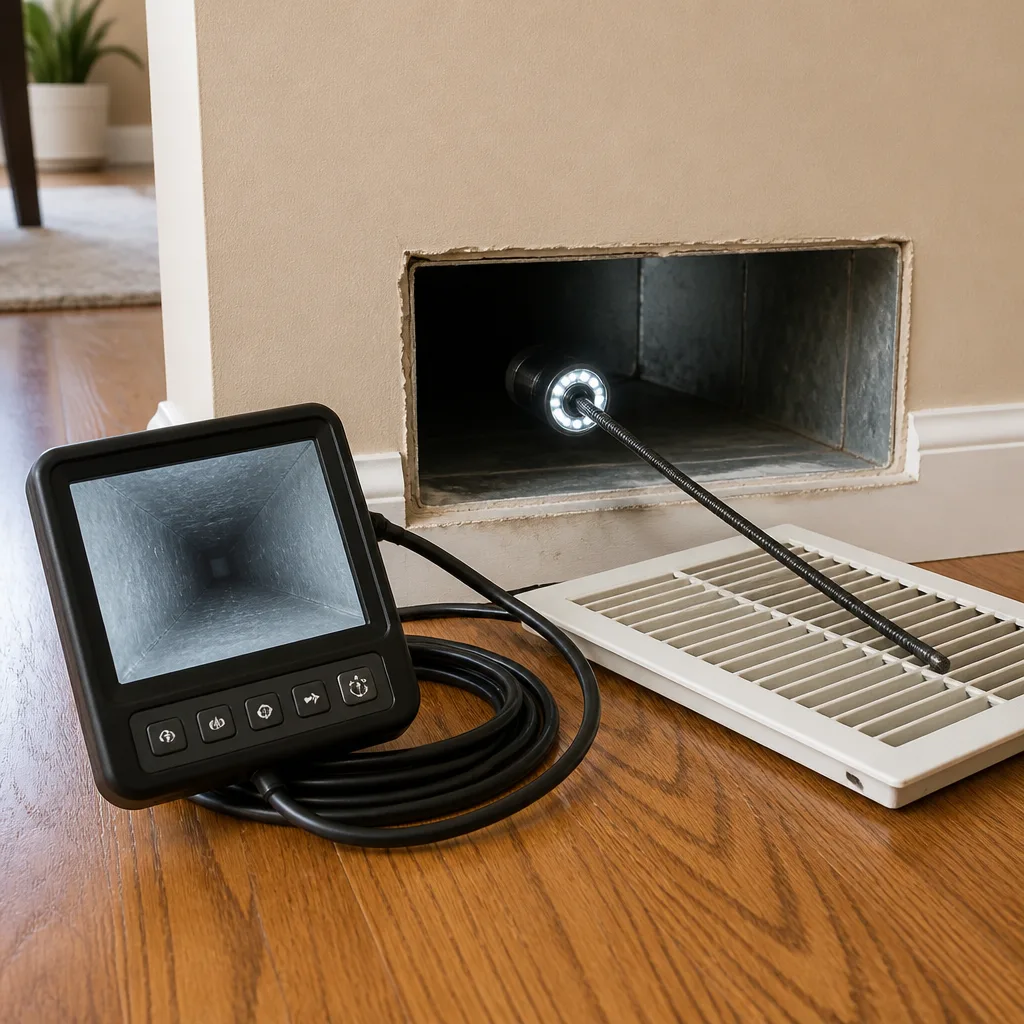 Camera inspection
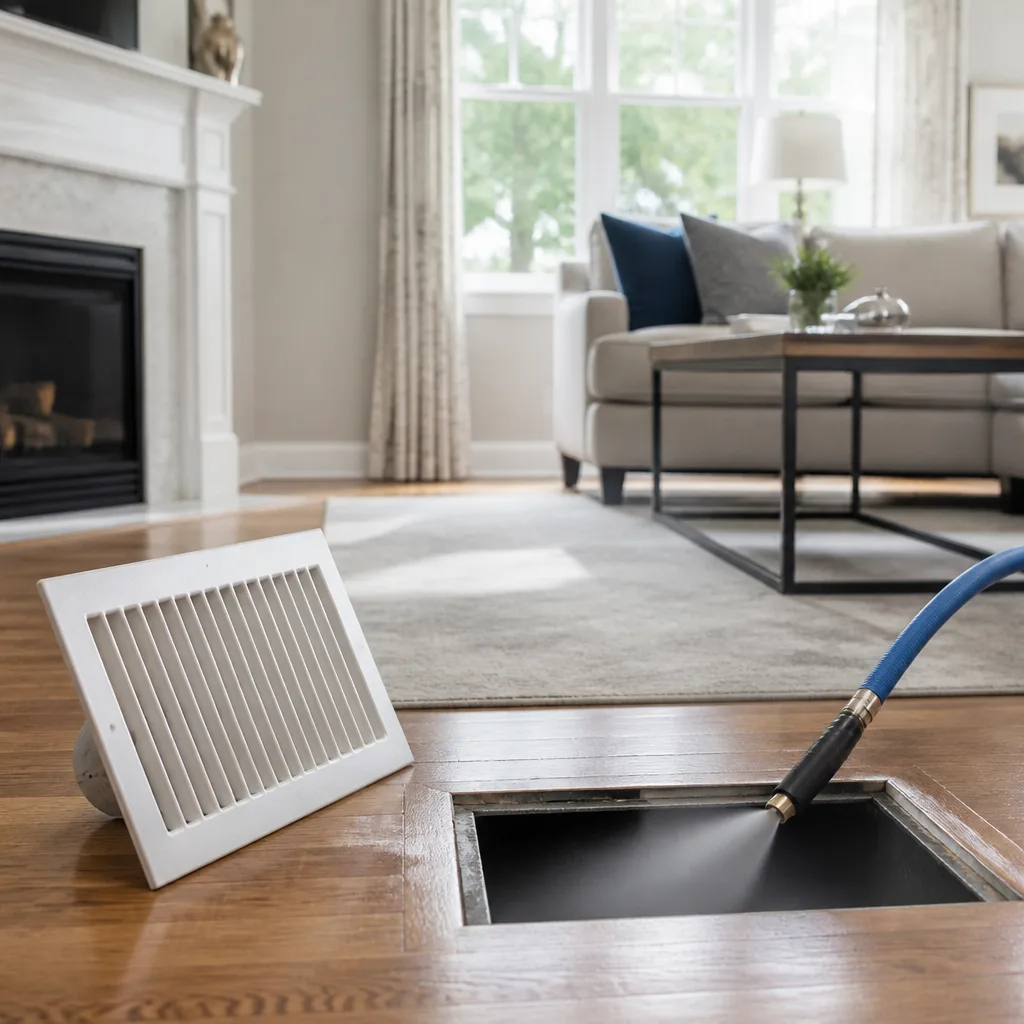 Sanitizing & deodorizing
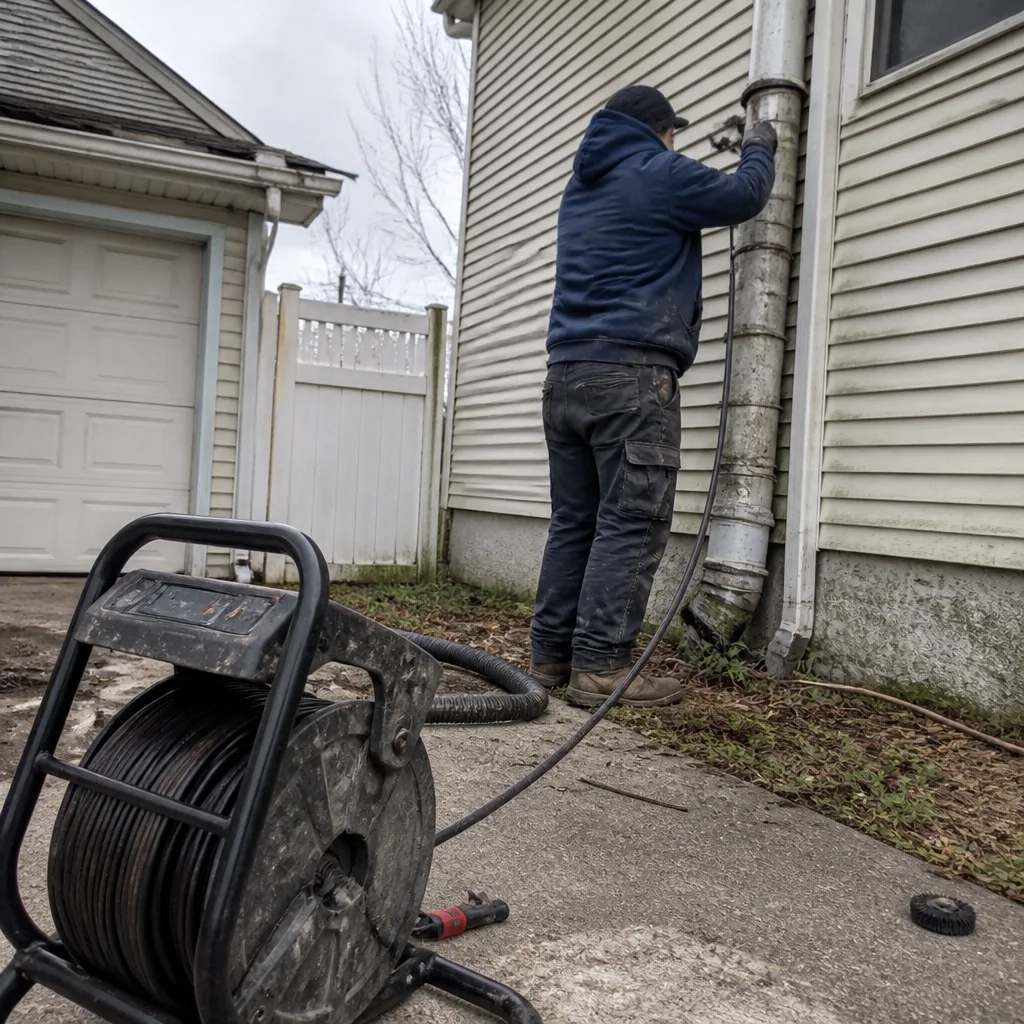
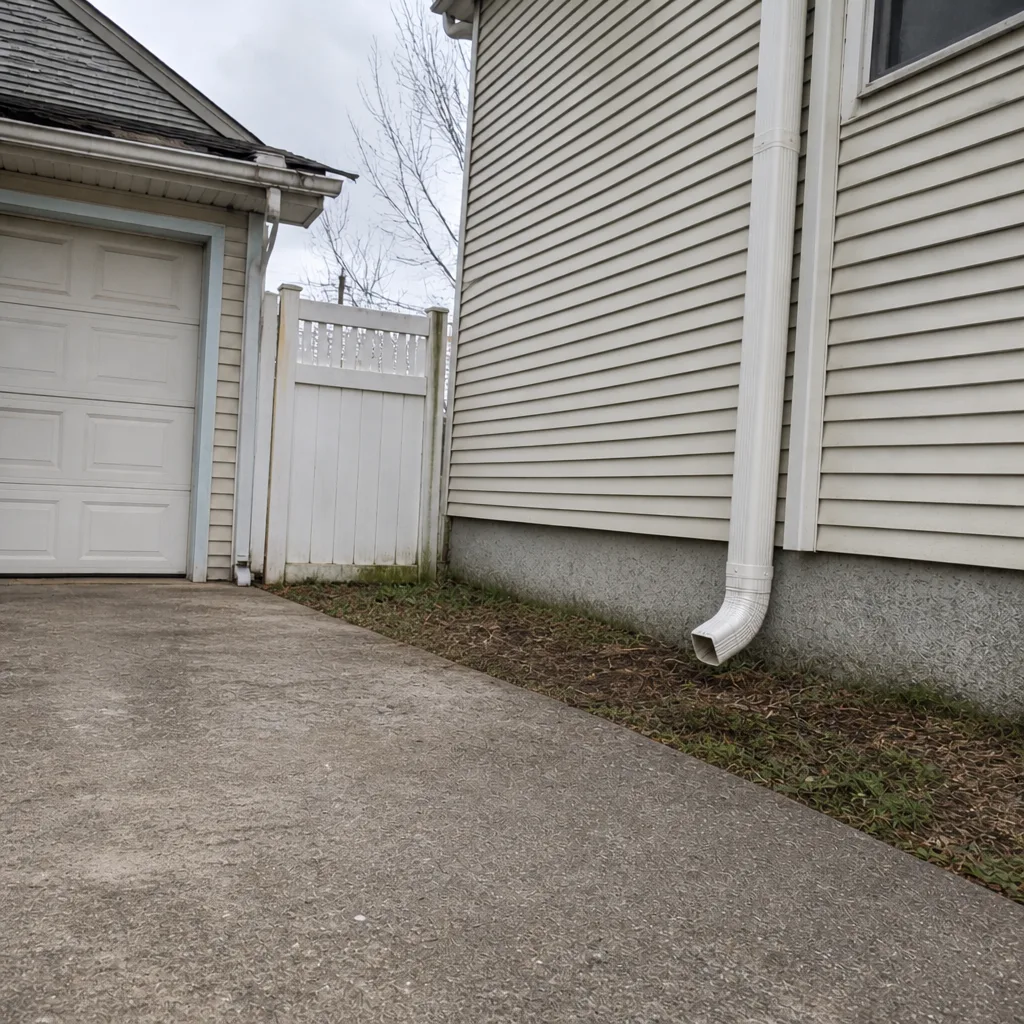
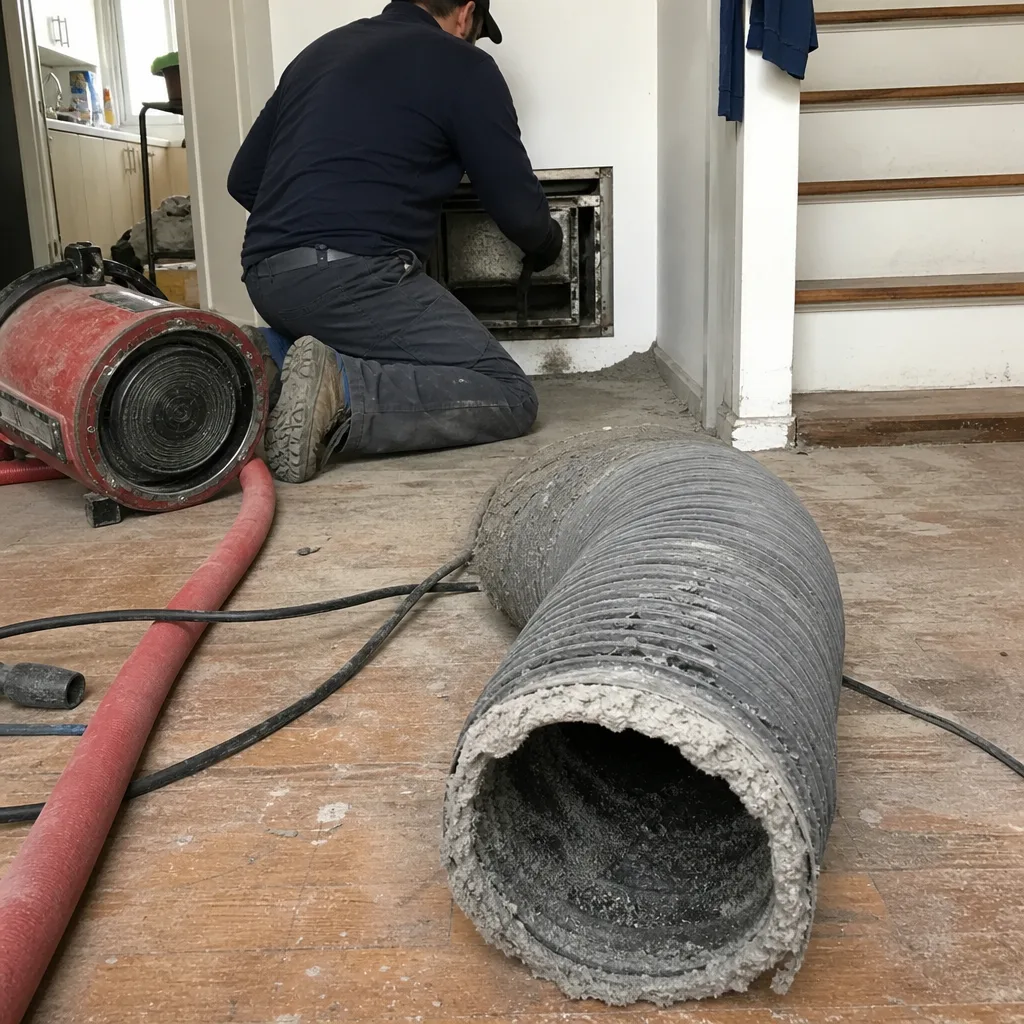
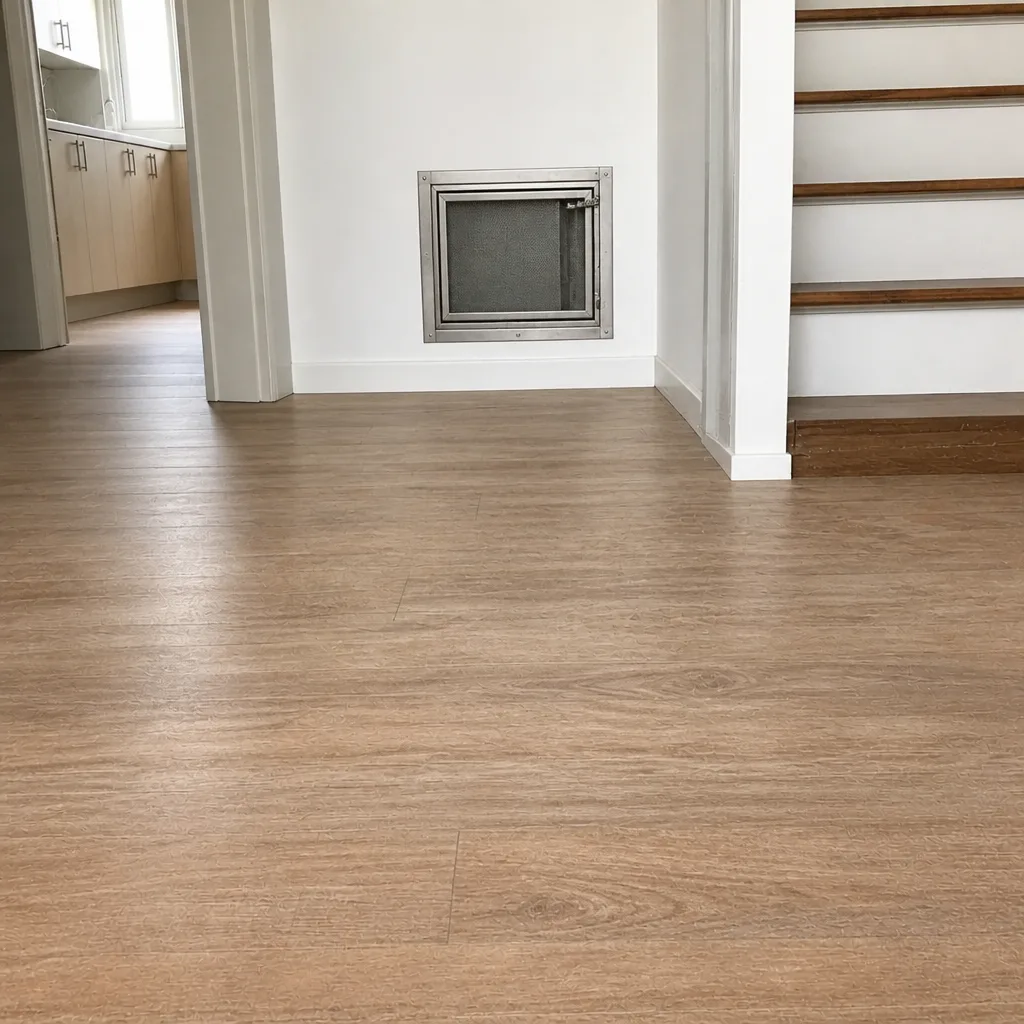
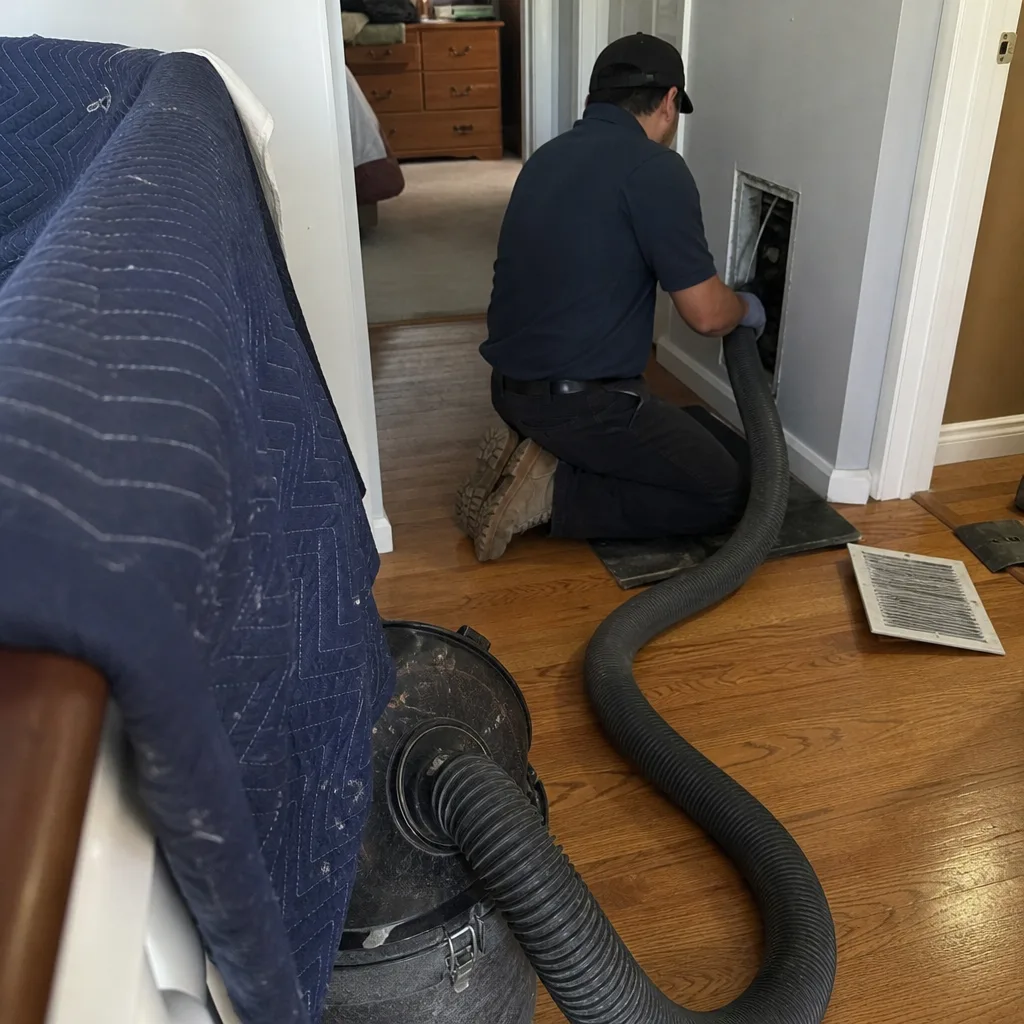
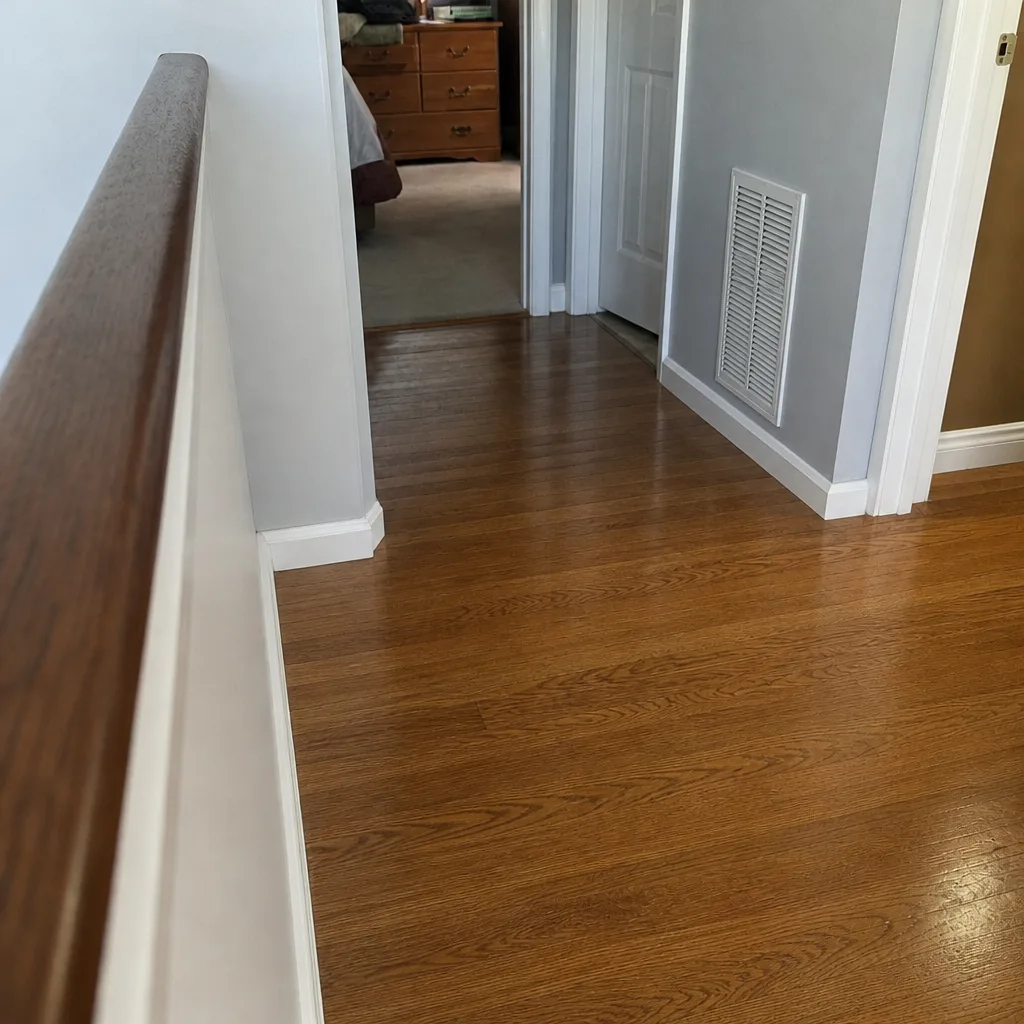
Whole-system duct and dryer vent check with before-and-after photos - you see exactly what came out of your vents
That "$99 whole-house special" is a bait ad - the real number appears once they are in your hallway, or the "clean" is a shop-vac at the register. We photograph the inside of your ducts before and after instead.
Air Duct Cleaning Warning Signs: An Astoria Homeowner’s Reference Guide
If your Astoria apartment smells faintly burned every time the heat comes on in October, that’s probably not a quirk of the radiator. It’s the duct system burning off debris that settled on the heat exchanger over the summer. Most warning signs of a contaminated duct system get blamed on something else entirely: a musty smell pinned on a bathroom, uneven heating blamed on a thermostat, worsening allergies chalked up to outdoor air. The signals are there, but homeowners don’t have a mental model for what a dirty duct system is actually telling them. This guide builds that model, section by section, so you can read what your system is saying.
Styles & brands we work with
- Whole-home duct cleaning
- Dryer vent cleaning
- Camera inspection
- Sanitizing & deodorizing
Quick Answer
The clearest warning signs you need air duct cleaning are persistent odors that outlast the first hour of a heating or cooling cycle, dust that reappears on registers within days of wiping them, rooms that never heat or cool as well as the rest of the house, and allergy or congestion patterns that track your HVAC run times rather than the seasonal calendar. Visible debris blowing from a supply register, or a system that has never been cleaned through a renovation, are two more. In Astoria, pre-war plaster dust and post-gut-renovation particulate push these signs into overdrive.
Table of Contents
- Building a Mental Model: What Your Ducts Are Telling You
- Odors That Linger: Startup Smell vs. Persistent Contamination
- Visible Dust Reappearing on Registers and Surfaces
- Airflow Asymmetry: Rooms That Never Heat or Cool Right
- Post-Renovation Warning Signs in Astoria Gut Renovations
- Health-Pattern Signals That Track Your HVAC Cycle
- Dryer Vent Warning Signs Every Astoria Homeowner Should Know
- How a Professional Duct Cleaning Actually Goes
- What Duct Cleaning Costs in Astoria
- Common Mistakes to Avoid
- When to Call a Professional
- Frequently Asked Questions
Building a Mental Model: What Your Ducts Are Telling You
Your duct system is a closed loop with one job: move conditioned air from the HVAC equipment into every room and pull stale air back. When that loop is clean, the air coming out of a supply register is basically the same as the air coming out of your furnace or air handler, minus a bit of pressure loss. When that loop is contaminated, every register becomes a small broadcast tower for whatever has settled inside the trunk lines, the branch runs, and the plenum.
That’s the mental model. Your ducts aren’t a static structure that either works or doesn’t; they’re a delivery channel. Whatever is inside them, you breathe. That’s why a warning sign in any room of an Astoria home is a signal about the whole system, not just the room where you noticed it.
The signs break into four categories:
- Olfactory – what the air smells like when the system runs.
- Visible particulate – what you see deposit on registers, walls, and furniture.
- Performance – uneven heating, weak delivery to specific rooms, higher-than-usual filter loading.
- Impact on people – congestion, headaches, or pet reactions that track time spent inside your home.
Watch all four together. A single category is a clue. Two categories tracking the same conclusion is a pattern worth acting on. In Astoria’s mix of pre-war buildings and recent gut renovations, we’ve found that homeowners who learn to read all four spot a real duct problem long before it becomes an expensive one.
Odors That Linger: Startup Smell vs. Persistent Contamination
When the heat kicks on for the first time in a season, a brief warm, dusty smell is normal. Heating elements and heat exchangers pick up a thin layer of settled dust through the off-season, and it burns off inside an hour. That’s the startup smell. It dissipates on its own and doesn’t come back until the system sits idle again for months.
Persistent odors are a different story. If your Astoria home still smells musty, sour, or faintly like wet cardboard after the system has been running for most of a day, the debris layer inside the ducts is deep enough that ordinary airflow isn’t burning or blowing it clear. That’s a biological contamination signal more often than an HVAC defect.
How to tell them apart
- Timing. Startup smell fades within one cycle. Persistent odor returns every time the system runs and lasts the whole cycle.
- Place. Startup smell hits the whole home evenly. Persistent odors are usually stronger at specific registers – often the ones near the air handler or in bathrooms and kitchens where moisture loads run higher.
- Character. A dry, hot-dust smell is normal debris burn-off. A musty, sour, or damp-wood smell points to moisture and microbial growth inside the ductwork.
- Persistence across seasons. If the smell survives from October heating into May cooling, it’s not the season. It’s the system.
A persistent odor is your most reliable early indicator, because it shows up before your filters load up and before performance drops. If you’re renting or managing a property in Astoria, this is also the sign your tenant will call you about first.
Visible Dust Reappearing on Registers and Surfaces
Every home has dust; that’s not the test. The test is how fast dust returns to recently cleaned surfaces, and where it concentrates. If you wipe down a supply register and find it noticeably dusty again within a few days, you’re not measuring household dust. You’re measuring duct output. The register is getting blasted with particulate every time the system runs, and the build-up is coming from inside the ductwork, not from your living room.
Use this as a working measurement, not a rule of thumb. Wipe the grille clean on a Sunday and check again the following weekend. A light film is normal. A visible grey buildup in five or six days means the ducts are producing more particulate than the room is.
Signs that point inside the ducts
- Dust streaks or dark trails on walls or ceilings radiating outward from supply registers.
- Grime collecting on ceiling fans, window trim, or picture frames nearest to the registers.
- A grey or black film forming on white blinds on the side of the room nearest a register.
- Furniture polish or cleaner residue appearing “re-soiled” faster than in other rooms.
Where dust shows up can be as telling as how fast. If the kitchen, bathroom, and bedrooms all behave the same way after you clean them, that’s household dust. If the room closest to the air handler re-soils first and fastest, the contaminant source is at the trunk or plenum, and the rest of the system is downstream of it. Astoria apartments in older buildings often have the air handler in a closet or on a service balcony, which puts the closest register in a hallway or bedroom – not the room you’d expect.
Regular HVAC cleaning keeps the coil and blower clear of the dust that feeds this cycle in the first place, but if the duct network itself is contaminated, cleaning the equipment alone won’t stop the re-soiling pattern.
Airflow Asymmetry: Rooms That Never Heat or Cool Right
If one bedroom in your Astoria home is consistently five degrees harder to keep comfortable than the rest of the apartment, that’s usually not a thermostat problem. It’s a duct problem. Airflow asymmetry – one or two rooms that never quite hit the setpoint no matter how long the system runs – is one of the most-missed warning signs because homeowners keep adjusting the thermostat without understanding why the same rooms stay cold or warm.
Three things cause airflow asymmetry, and all three are duct issues:
- Obstruction. Debris, a collapsed liner, or a rodent nest blocks a branch run enough to choke the airflow before it reaches the register.
- Disconnected branch. A supply branch has come loose from the trunk. Air is dumping into a wall cavity or a crawl space instead of the room. This is common in older Astoria buildings where ductwork has been patched or modified over decades.
- Leaky or crushed duct section. Pressure loss along a long run means the last room on the line gets the weakest deliverable flow. In pre-war buildings with tight chases, crushed flex duct inside a wall is surprisingly common.
How to check for airflow asymmetry yourself
Bring a thin strip of tissue or a piece of toilet paper to each supply register while the fan is running. Hold it about an inch from the grille. Compare how hard the strip flaps at each register. A noticeable difference – one register barely moving the strip while another snaps it side to side – is real and measurable. Note which registers are weak and whether they share a room, a wall, or a distance from the air handler.
What airflow asymmetry won’t tell you is which of the three causes is behind it. That takes eyes inside the ductwork. We repair what we find rather than clean around it, which is why Air Duct Cleaning Astoria combines duct cleaning with duct repair and sealing under one specialist. A collapsed branch or a disconnected run has to be fixed before cleaning does anything useful.
Post-Renovation Warning Signs in Astoria Gut Renovations
Astoria has seen a wave of gut renovations across its pre-war building stock, and each one sends a specific load of particulate into the HVAC system. Drywall dust, plaster dust, construction adhesive off-gassing, and sawdust from framing all migrate into the returns during the work. Even when the contractor seals off registers and bags the returns, some fraction gets through, and what’s left behind keeps circulating for months.
What makes this distinct from ordinary household dust is composition. Plaster dust from pre-war walls – which is a real feature of Astoria’s turn-of-the-century building stock – is finer and more alkaline than modern drywall dust. It settles deeper into the duct liner and is harder for a standard furnace filter to catch. Construction adhesives and caulks used during renovation release volatile compounds that can linger in ductwork weeks after paint and flooring have cured. Neither issue gets fixed by airing the apartment out.
Post-renovation warning signs to watch for
- A persistent chemical or “new construction” odor that returns whenever the HVAC runs, weeks after the work is finished.
- Fine white or grey dust coating registers, usually with a texture different from ordinary house dust.
- Allergy-type symptoms in the household that started or worsened after the renovation.
- Filters loading up faster than before the project – you’re changing them twice as often.
- Visible plaster or drywall debris inside return grilles or on the cooling coil.
If your renovation ended within the last six months and you’re seeing any of these, a full-system cleaning now will save you a decade of blowing plaster dust through the rest of the apartment. In our experience, gut renovation cleanup is one of the most common reasons Astoria homeowners first search out a duct specialist.
Health-Pattern Signals That Track Your HVAC Cycle
This is the sign people miss because it doesn’t look like an HVAC issue at all. When occupants in an Astoria home start waking with congestion, reporting evening headaches, or noticing a change in how their pet reacts indoors, the assumption is usually seasonal allergies. Sometimes it is. But there’s a specific pattern that points at the ducts instead, and it’s worth knowing how to read it.
When symptoms map to the system, not the season
- Timing tracks the HVAC run cycle. Symptoms are worse in the hours when the system runs most (overnight in heating season, midday in cooling season) and better on days the system is idle.
- Symptoms ease when occupants leave. Morning congestion lifts an hour or so after leaving the apartment, not after taking an antihistamine. Evening headaches fade on a commute.
- Pet reactions change indoors. A cat or dog that used to settle anywhere starts avoiding one room, or sneezes more after the heat comes on.
- Symptoms don’t track outdoor pollen patterns. They persist through cold snaps or rain when outdoor allergens are low, and they don’t respond to the seasons the way the rest of the block does.
- The pattern is shared. More than one occupant reports the same symptom cluster, which argues against individual sensitivity.
None of this is a diagnosis, and we don’t offer one. It’s a pattern-recognition tool. If the timing of symptoms tracks the timing of the HVAC system more closely than it tracks the outdoor season, that’s a reason to get the system checked by a professional. Our technicians have up to 10 years of experience reading these patterns, and we regularly work with air-quality solutions from Aprilaire and Honeywell to address the root of what’s causing them, not just the symptom.
Dryer Vent Warning Signs Every Astoria Homeowner Should Know
Dryer vent warning signs sit in a different category than duct warning signs, because the risk shifts from comfort to fire safety. Lint accumulation inside a dryer vent restricts airflow and traps heat, and restricted airflow is one of the leading causes of residential dryer fires. In Astoria, where many apartment and multi-family buildings stack dryers in closets, service alcoves, or converted kitchens, the vent run is often longer and more convoluted than a homeowner expects.
Dryer vent warning signs
- Clothes take more than one cycle to dry, and the second cycle gets them there.
- The dryer feels noticeably hot to the touch on the outside of the cabinet, top, or door.
- A burning or musty smell in the laundry area during or after a load.
- The exterior vent flap barely opens, or lint is visible around the flap.
- A full load dries but a partial load also takes a full cycle – a sign that airflow, not load size, is the limit.
- Your last lint trap cleanout produced much less lint than it used to.
Dryer dryer vent cleaning addresses one of the most preventable fire risks in a home, and it takes less time than most homeowners expect. If you’re already having us in for a duct service, checking the dryer vent at the same visit is a sensible pairing.
How a Professional Duct Cleaning Actually Goes
A professional-grade duct cleaning is a mechanical process, not a vacuum pass. The goal is to agitate settled debris off the surfaces inside the duct and then remove it under negative pressure, without spreading it into the home. Purpose-built systems handle both steps. Rotobrush and Nikro equipment are designed for this – rotary agitation heads driven through the duct runs combined with high-volume negative-pressure collection at the trunk.
What a typical visit involves
- System inspection. We open access points at the air handler and selected registers and check for the conditions we’ll be cleaning: debris load, disconnected runs, crush points, and any microbial growth visible on the liner.
- Register and grille removal. Supply and return grilles come off so the duct interior is reachable at both ends. Grilles get cleaned separately before going back on.
- Mechanical agitation. Rotary brush and air-jet heads run the length of each branch and the trunk, loosening compacted debris from the walls and liner.
- Negative-pressure collection. A high-volume vacuum connected to the trunk captures what the agitation loosens, so it leaves the system instead of recirculating.
- Equipment and coil cleaning. The blower, blower compartment, and cooling coil are cleaned where accessible. A dirty coil re-soils everything downstream of it.
- Sanitizing where warranted. When visible microbial growth or persistent odor is present, we apply an EPA-registered sanitizer. Abatement Technologies equipment comes into play here, in spaces where air contamination is a serious concern.
- Repair and sealing. Any collapsed section, disconnected branch, or open seam we found in the inspection gets sealed or repaired. Cleaning without fixing the leak just re-dirties the system.
- Verification. We show photos of the duct interior before and after the work, so you can see what was inside when we started.
One flat price per system is agreed before work starts, and that flat price is set by the written estimate. You’ll never see a per-vent price sheet or a coupon figure that changes once the equipment is on site.
What Duct Cleaning Costs in Astoria
Honest duct cleaning pricing in Astoria depends on system size and condition, not on how many registers someone can count. A studio or small one-bedroom with a single zone is a very different job from a multi-zone pre-war apartment with long branch runs and a renovation’s worth of plaster dust to remove. Here’s how the ranges typically land.
- Small one-bedroom or studio, straightforward system: lowest end of the range, single zone, cleaning only.
- Two-bedroom apartment, single-zone system: mid-range, includes equipment and coil cleaning.
- Three-bedroom or larger, or a split system with more than one air handler: higher end of the range due to multiple systems and longer runs.
- Post-renovation or heavy-contamination jobs: additional time for debris removal and sanitizing, quoted separately.
- Duct repair and sealing: quoted as a separate line item after the inspection identifies what needs fixing.
- Dryer vent cleaning paired with duct cleaning: a modest add-on to the same visit.
We quote per system, and the written estimate you receive before work begins is the price you pay. If the inspection finds a collapsed branch or disconnected run that would change the scope, we’ll show you what we found and we’ll re-quote before doing the extra work. Properties being managed by landlords or building managers get a scope walkthrough before the visit so tenants know what’s being done.
For an exact number specific to your apartment, call (855) 510-1266. Estimates are free, and we answer 24/7.
Common Mistakes to Avoid
- Assuming a startup smell is nothing to worry about. The first-of-season burn-off is normal, but a smell that comes back every heating cycle or lingers past an hour is not. Blaming a bathroom or a neighbor’s cooking is the most common way a contamination signal gets missed.
- Wiping registers once and declaring victory. Wipe a register clean and check it again in a week. If dust returns within days, that’s duct output, not household dust – and wiping more often won’t change the source.
- Calling the thermostat the culprit for one cold room. Consistently underperforming rooms usually point to a duct problem, not a thermostat setting, and adjusting the setpoint doesn’t fix a collapsed branch.
- Skipping duct work after a renovation. Drywall dust, plaster dust, and construction adhesive off-gassing from a gut renovation need a full-system clean, not just a new furnace filter. In Astoria’s pre-war building stock, plaster dust in particular settles deep enough that surface cleaning won’t reach it.
- Treating the dryer vent as a lint-trap problem. The lint trap catches a fraction of what runs through the vent. Clothes that take two cycles to dry, or a hot dryer cabinet, mean the vent itself needs service. Dryer vent cleaning addresses one of the leading causes of residential fires, and skipping it is a mistake.
- Cleaning the ducts and skipping the repair. Cleaning a system with a disconnected branch or a crushed flex section just re-contaminates it. If a duct repair is needed, seal it as part of the same job.
- Choosing a quote that’s per-vent rather than per-system. Per-vent pricing makes the number look low and the final invoice hard to predict. One flat price per system, set by a written estimate, is the honest structure.
When to Call a Professional
Call for a professional duct evaluation if any of these apply to your Astoria home: a persistent odor that returns every time the HVAC runs, dust reappearing on registers within a week of cleaning, one or more rooms that never reach the setpoint, filters loading faster than they used to, visible debris inside a return grille, a recent gut renovation, or a household health pattern that tracks the HVAC cycle more closely than the outdoor season. Add a dryer that takes two cycles to dry, or a dryer cabinet that feels hotter than usual, and that’s a call for a vent check at the same visit.
Air Duct Cleaning Astoria offers free estimates in Astoria. Call (855) 510-1266. We answer 24/7. Fast dispatch from 7am to 7pm, Sunday through Friday. When you call, tell us which signals you’ve noticed and we’ll match the scope to what you’re describing.
Frequently Asked Questions
The clearest signals are a persistent musty or burned odor that returns every HVAC cycle, dust that reappears on registers within a few days of wiping them, one or more rooms that never heat or cool to the setpoint, and household symptoms that track system run times rather than outdoor seasons. A recent renovation, or a system that has never been cleaned, adds a fifth. Visible debris inside a return grille or dark streaks radiating from a supply register are conclusive on their own. Call (855) 510-1266 for a free estimate if you’re seeing two or more of these together. Estimates are free.
Pricing is per system, not per vent, and it depends on system size and condition. A studio or small one-bedroom sits at the low end, a two-bedroom mid-range, and a three-bedroom or multi-zone apartment at the high end. Post-renovation jobs and jobs requiring duct repair and sealing get quoted as separate line items after inspection. We agree one flat price per system before work starts, and the written estimate sets the final number. Call (855) 510-1266 for an exact quote. Estimates are free.
Per-vent “specials” and coupon pricing are designed to look low and grow once the crew is on site – the low number covers a partial service, and the rest of the system becomes additional cost. A legitimately priced job is one flat price per system agreed in writing, before any equipment is set up. Ask any provider what the price covers and whether it’s per-system or per-vent. Cheap quotes often mean consumer-grade vacuums and no coverage for the equipment side of the system, which is where a lot of the actual contamination sits. Call (855) 510-1266 for a written, per-system quote. Estimates are free.
Ask for before-and-after photos of the duct interior and the registers. A professional-grade cleaning leaves visible evidence of what changed. We photograph the interior before agitation starts and after the collection pass, and we show it to you before we pack up. If a provider can’t show you photos of the job they just did in your own ducts, that’s a sign the work was minimal. Call (855) 510-1266 to schedule a job with photo documentation included. Estimates are free.
There’s no fixed interval for every home. A well-maintained system with a clean filter schedule will go years between cleanings; a system with pets, a recent renovation, or a history of moisture problems may need it more often. Use the warning signs in this guide as your interval setter instead of a calendar. If you notice the four-category pattern – odors, dust, airflow asymmetry, and household symptoms – starting to show up again, that’s the point to book. If nothing’s showing, you don’t need to. Call (855) 510-1266 to talk through what you’re noticing. Estimates are free.
Yes, mainly three. Plaster dust from pre-war walls is finer and more alkaline than drywall dust and settles deeper into duct liner. Duct runs in tight chases and wall cavities have usually been patched or modified over the years, so disconnected branches and crushed flex sections are common. And gut renovations are frequent across Astoria’s pre-war building stock, which means renovation particulate is a recurring source of contamination. If your building is pre-war and has had recent work, a full-system clean is a good use of one afternoon. Call (855) 510-1266 to schedule an inspection. Estimates are free.
The Bottom Line
Most duct problems don’t look like duct problems when they first show up. They look like a musty bathroom, a hard-to-heat bedroom, or another allergy season. The point of this guide is to give you the mental model that lets you read the four systems of signals together – odors that outlast the startup burn-off, dust returning to registers within a week, airflow that’s weak in the same rooms over and over, and household health patterns that track your HVAC run cycle rather than the calendar. In Astoria specifically, pre-war plaster dust and recent gut renovations give you a fifth category to watch. When two or more signal together, that’s the point to get eyes inside the system. Air Duct Cleaning Astoria handles cleaning, dryer vent cleaning, HVAC cleaning, duct repair and sealing, and air quality and sanitizing under one specialist, using Rotobrush, Nikro, and Abatement Technologies equipment, and Aprilaire and Honeywell air-quality solutions where they fit. Call (855) 510-1266 for a free estimate. We answer 24/7. Fast dispatch from 7am to 7pm, Sunday through Friday.
Written by the team at Air Duct Cleaning Astoria.
See the difference
 Before
 After
 Before
 After
 Before
 After