
Last updated November 22, 2026
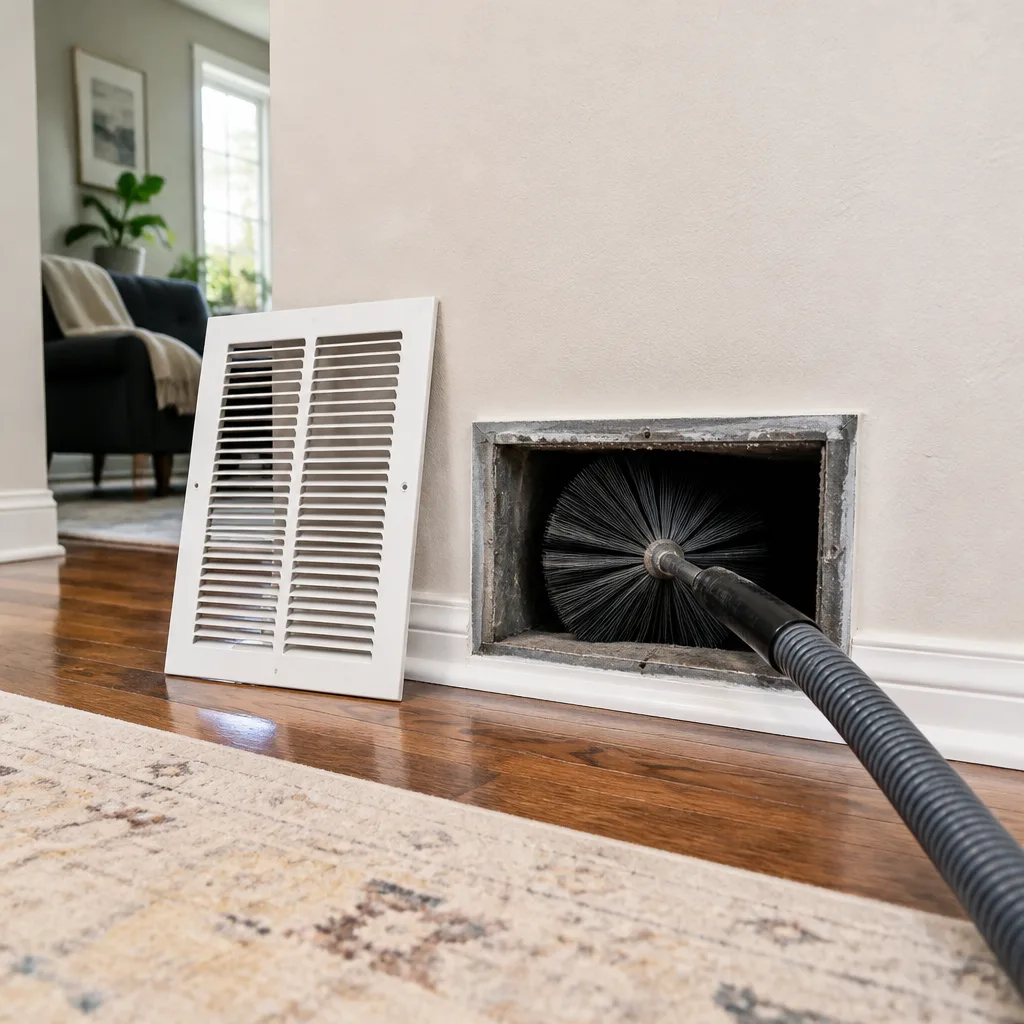 Whole-home duct cleaning
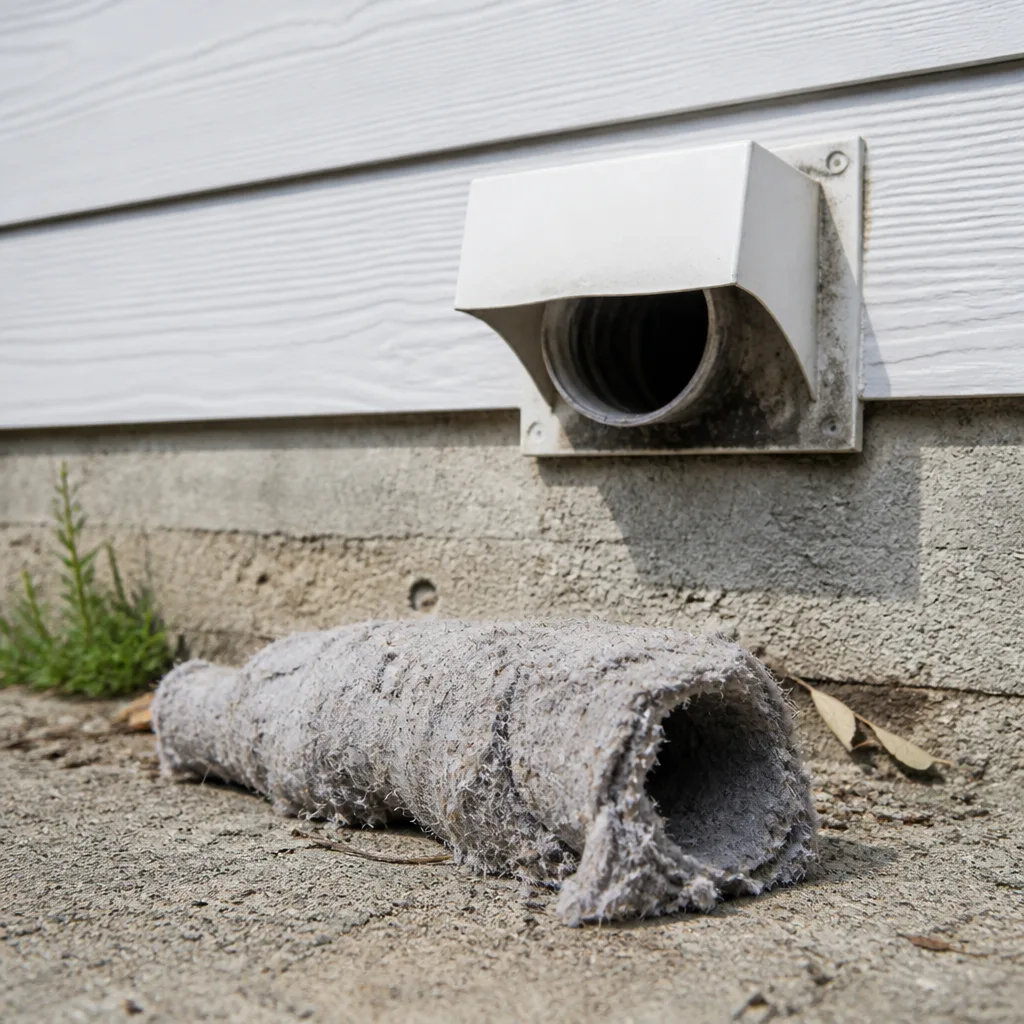 Dryer vent cleaning
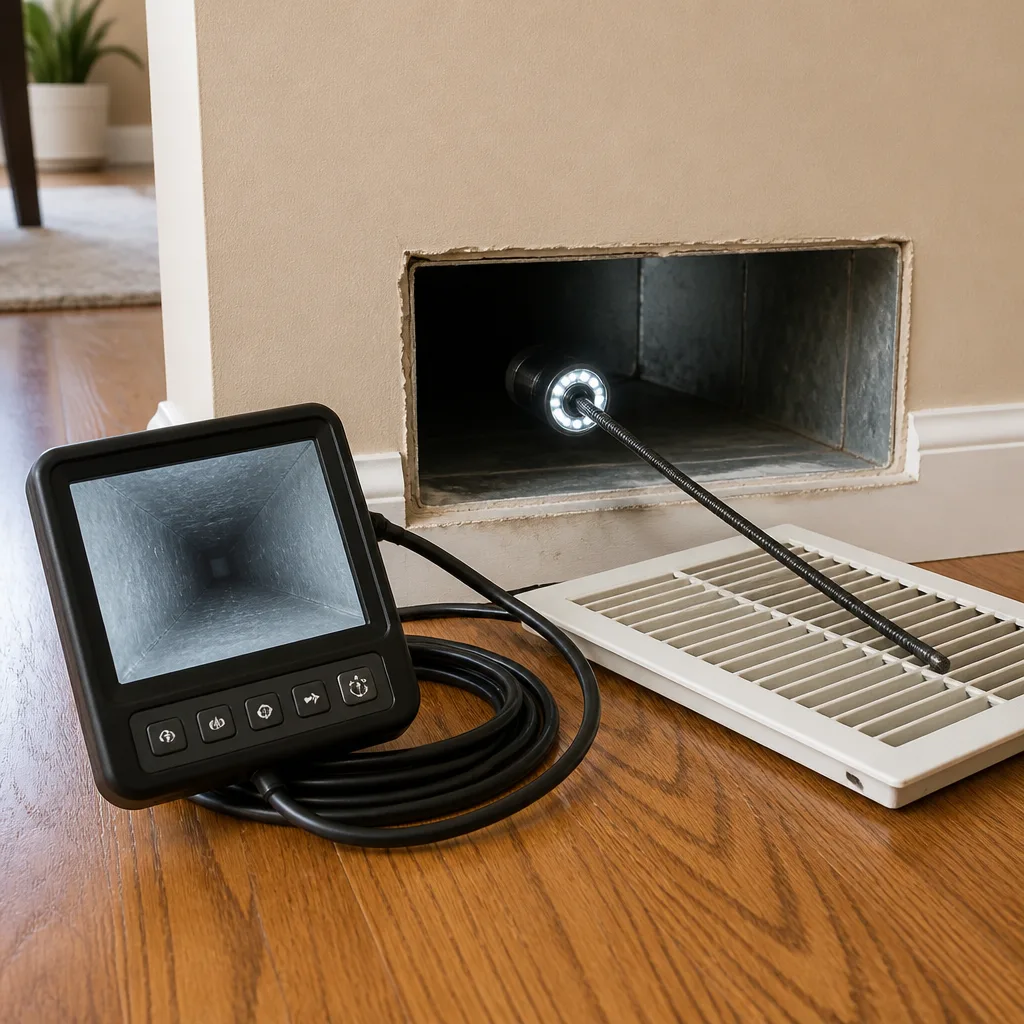 Camera inspection
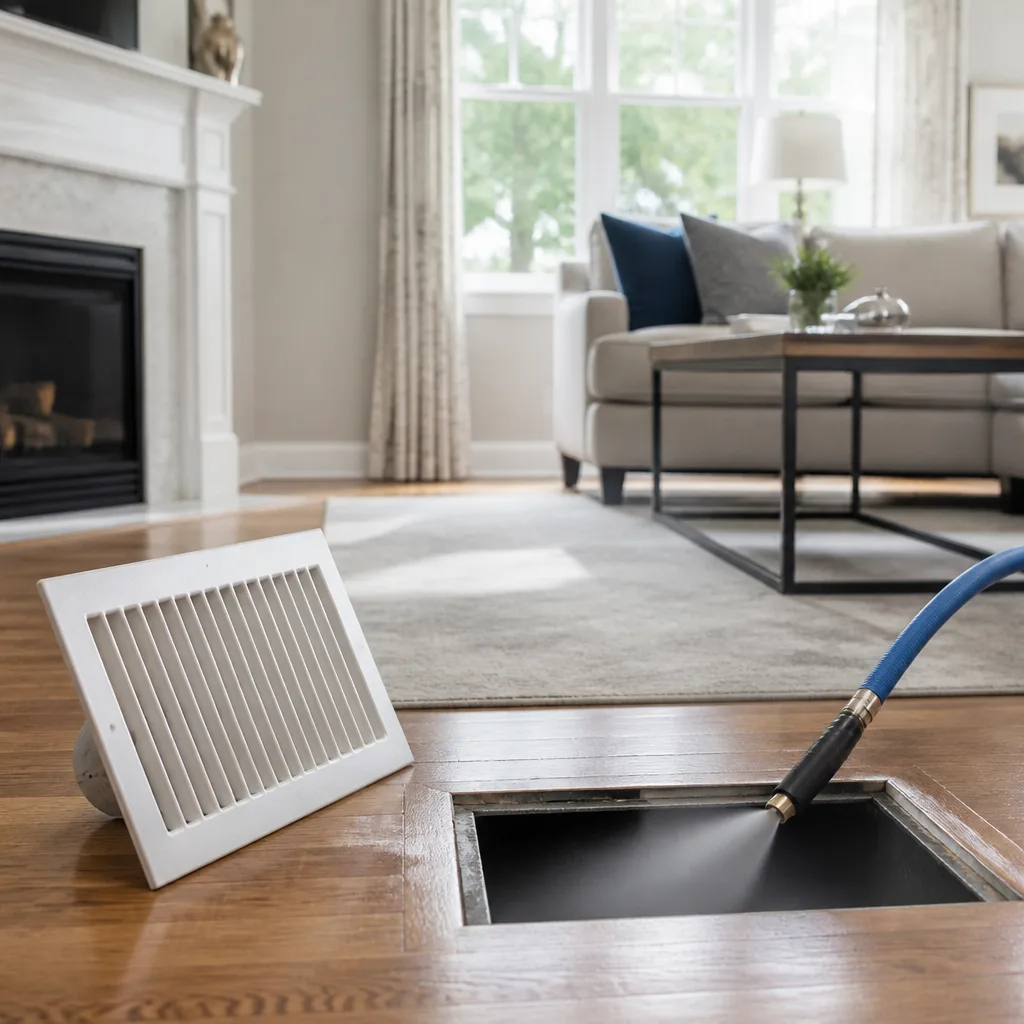 Sanitizing & deodorizing
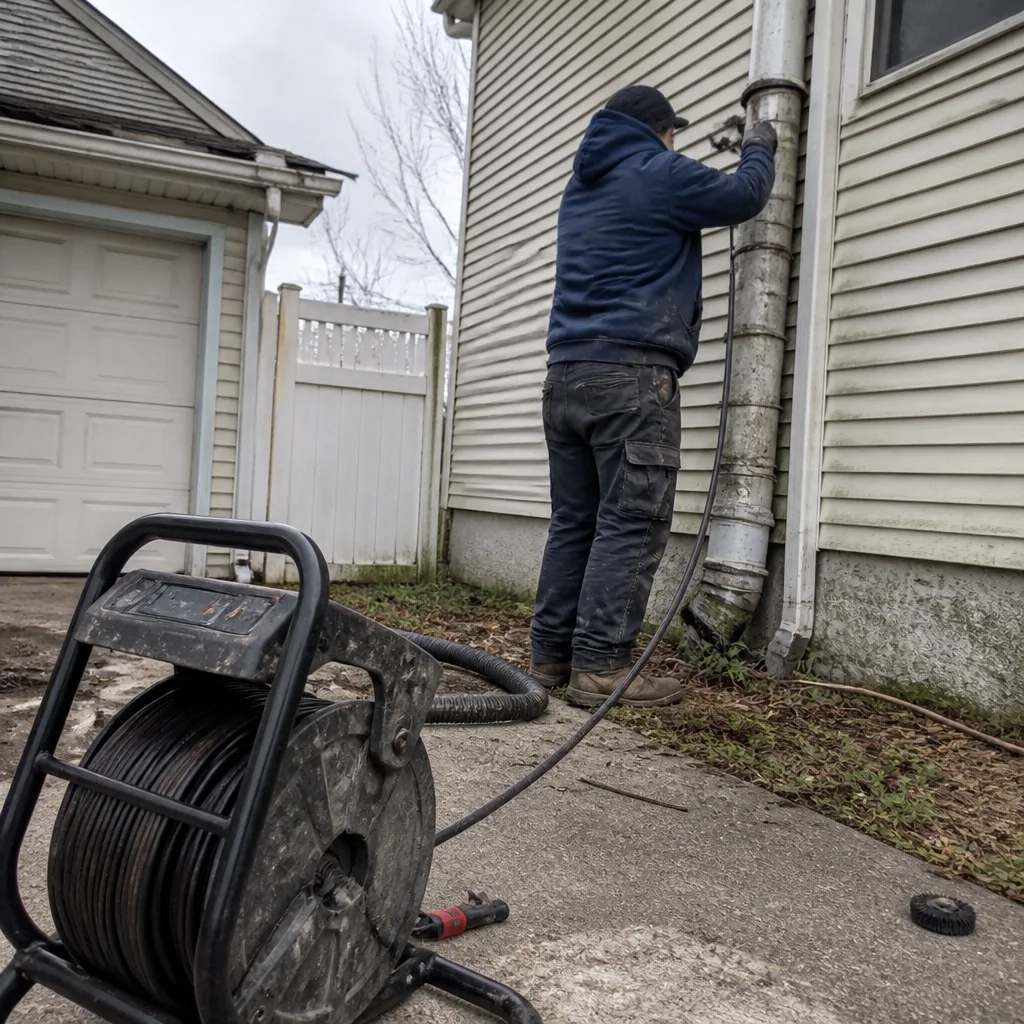
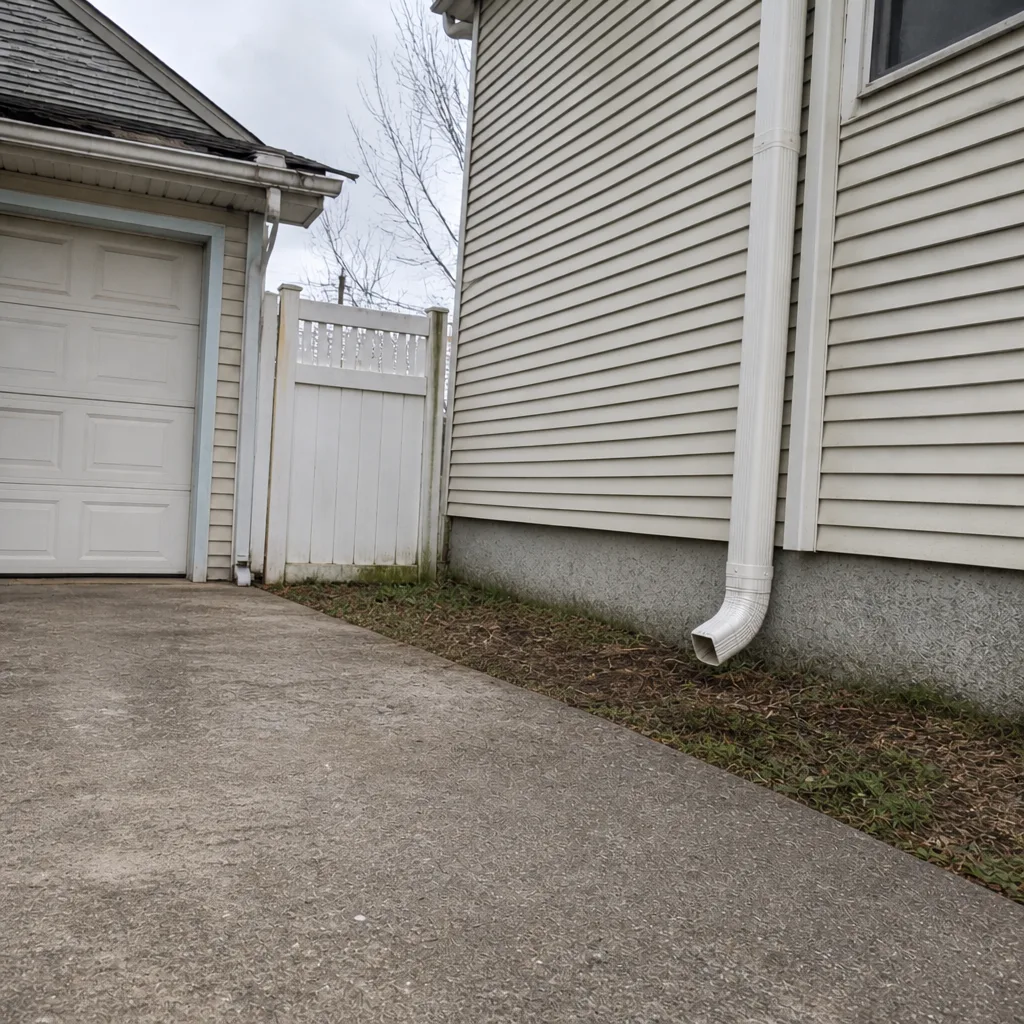
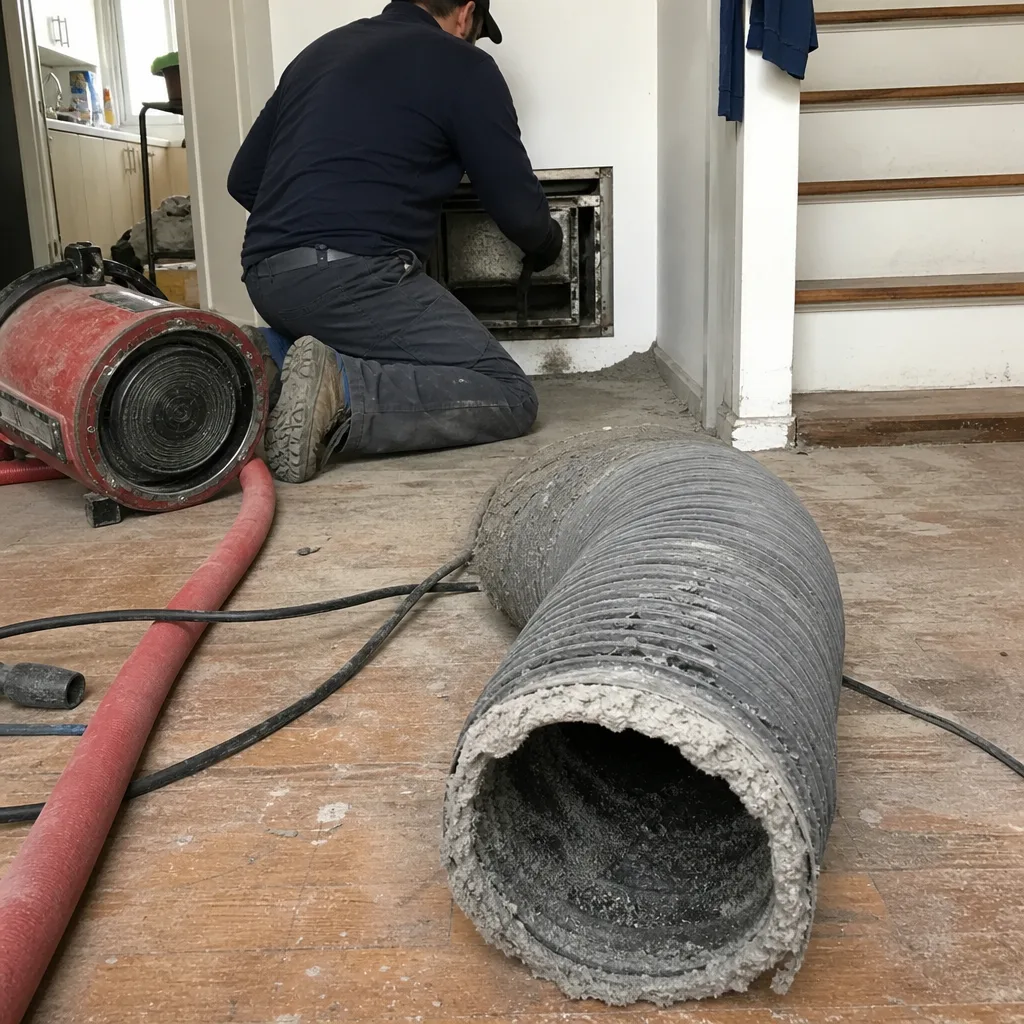
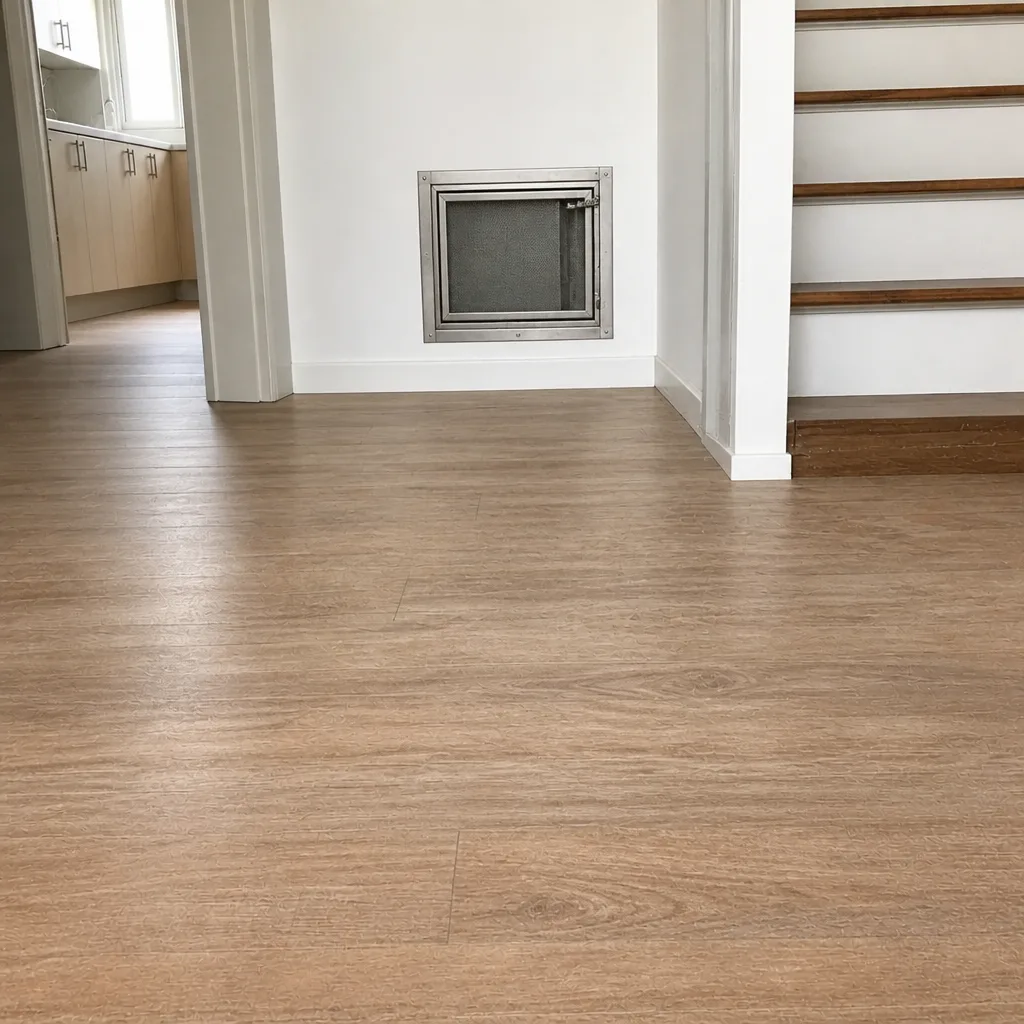
Whole-system duct and dryer vent check with before-and-after photos - you see exactly what came out of your vents
That "$99 whole-house special" is a bait ad - the real number appears once they are in your hallway, or the "clean" is a shop-vac at the register. We photograph the inside of your ducts before and after instead.
DIY vs Professional Air Duct Cleaning: The Astoria Homeowner’s Decision Guide
Most homeowners in Astoria who think about duct cleaning assume the decision comes down to skill: can I do this myself, or do I need to hire someone? That’s the wrong question. The real difference is physics. A shop vac and a dryer vent brush can reach the first 18 inches of a supply register, but the duct behind that register may run 40 feet, branch twice, and dead-end at a return plenum – none of which you’re touching, but all of which you’re stirring up the moment you turn the HVAC back on. This guide explains exactly where the DIY line falls, what a homeowner can genuinely accomplish, and when calling in professional-grade equipment is the only way the job actually gets done in Astoria.
Quick Answer
DIY cleaning can handle surface work – register grilles, return covers, filter swaps, a visual dryer vent check – but it cannot generate the negative pressure required to dislodge and capture debris from deep duct runs. Professional cleaning uses purpose-built equipment that pulls contamination out of the system rather than redistributing it into your living space. For Astoria homes with visible mold, recent renovation dust, rodent evidence, or a system that hasn’t been cleaned in five or more years, professional service isn’t optional; it’s the only version of the job that works.
Styles & brands we work with
- Whole-home duct cleaning
- Dryer vent cleaning
- Camera inspection
- Sanitizing & deodorizing
Table of Contents
- The Physics of Duct Cleaning: Why Suction Matters More Than Scrubbing
- What You Can Genuinely Do Yourself (And What It Won’t Fix)
- Negative Pressure Explained: The 500 CFM Difference
- Astoria Scenarios Where DIY Isn’t Enough
- The Hidden Cost of a DIY Attempt Gone Wrong
- What Professional Equipment Actually Does That Yours Can’t
- How to Prep for a Professional Visit and Get Real Value
- How Much Does Air Duct Cleaning Actually Cost in Astoria?
The Physics of Duct Cleaning: Why Suction Matters More Than Scrubbing
Duct cleaning is a pressure problem before it’s a brushing problem. Debris inside a duct system – dust, drywall dust, pet hair, insulation particles, pollen – clings to the duct walls through a mix of static attraction, moisture, and simple settling. Brushing loosens that material, but loosening isn’t the same as removing. Unless the loosened debris is captured under sustained negative pressure at the same moment it’s disturbed, it drifts back into the airstream the next time the blower runs.
That’s the whole reason purpose-built duct cleaning equipment exists. Machines from Rotobrush and Nikro use a combination of high-volume vacuum and a rotating brush or whip head that agitates the duct interior while the vacuum holds the system under negative pressure. The material that gets loosened is pulled toward the collection point instead of being pushed into the room. In our experience, this is the single biggest difference between a proper clean and a DIY session that looks productive but leaves more contamination airborne than before.
The size of the duct matters too. A typical Astoria apartment or house supply run can measure 4 to 8 inches in diameter and travel 20 to 40 feet from the air handler to the register, sometimes branching twice along the way. A shop vac hose can’t reach past the first bend, and even when it does, the airflow through a 2-inch hose is nothing compared to what a full-run system requires to move air through the entire trunk line at once.
What You Can Genuinely Do Yourself (And What It Won’t Fix)
We’re not going to pretend a homeowner can’t touch their own HVAC system. There’s real, useful work you can do without risking damage or injury. What matters is knowing what that work accomplishes and what it doesn’t.
Here’s what legitimately falls into the DIY column:
- Register grille cleaning. Pop the supply and return grilles off, wash them in the sink with mild soap and warm water, dry them fully, and put them back. This removes the visible dust mat that builds up on the face of the grille.
- Return cover and cabinet wiping. A damp cloth on the outside of the return duct and air-handler cabinet removes surface dust that would otherwise get pulled back into the system.
- Filter replacement. Check your filter monthly, replace it on whatever schedule the manufacturer recommends, and make sure you’re using the correct size and MERV rating for your system. A filter that’s too restrictive can strain the blower.
- Dryer vent visual inspection. Pull the dryer out, disconnect the vent, and look inside with a flashlight. If you can see lint buildup extending past the first foot, that’s a professional call. If it looks clear, reattach the vent securely with a proper clamp – not tape.
- Register area vacuuming. Run a crevice tool around the boot of each register to lift loose dust near the opening. This is cosmetic and stops at the first elbow.
What DIY doesn’t do: it doesn’t touch the duct interior beyond the first reach, it doesn’t capture the debris that’s clinging to the duct walls 15 feet in, and it doesn’t address the air handler, the plenum, or the coil. Those are the parts where contamination actually accumulates and where air duct cleaning earns its value.
Negative Pressure Explained: The 500 CFM Difference
CFM stands for cubic feet per minute. It measures how much air a vacuum system can move through a given space. A consumer shop vac moves roughly 100 to 200 CFM at peak, but only when the hose is short, unobstructed, and connected to a small space. Once you extend the hose 20 feet and connect it to a duct system that’s 6 inches across and branching in three directions, that CFM drops dramatically. The airflow required to lift settled debris from duct walls and carry it back to a collection point is simply not there.
Professional duct cleaning equipment flips the relationship. Instead of pushing a vacuum hose into the duct, we hook a high-capacity vacuum to the system at the plenum or at a designated return opening, sealing it into place with a negative-pressure collar. That setup pulls the entire duct run into negative pressure – meaning the whole system is trying to suck air (and debris) toward the collection point – while a rotary brush or air whip travels through the duct from the register end. Every time the brush loosens material, the vacuum is already pulling it out.
This is why a proper HVAC cleaning visit involves connecting equipment at multiple points, not just one. A typical Astoria home or apartment system gets sealed at the main return or plenum, with brushes run through each supply and return branch. The collection happens at a single high-capacity point, and the airflow is pushing everything in that direction.
There’s a second layer of value in the pressure approach: it works on both the source and the destination. The source is the duct wall where debris has settled. The destination is the vacuum collection. Nothing in between gets a chance to redistribate into the room. That’s the entire point.
Astoria Scenarios Where DIY Isn’t Enough
Astoria’s housing stock is varied – prewar walkups, midcentury apartment buildings, rowhouses, and newer construction – and each type has duct runs with their own contamination patterns. Certain situations push the decision from “worth doing myself” to “call a professional.” Here’s the honest list.
- Post-renovation dust. Drywall dust is one of the worst things that can enter a duct system. It’s fine, abrasive, and sticky – it clings to duct walls and coats the blower wheel and coil. Any renovation that involved cutting drywall, sanding, or demo should trigger a professional duct clean before the system runs at length again.
- Visible mold or musty odors from vents. If you can see dark spotting around a register boot or smell a damp, musty odor when the system runs, that’s beyond surface cleaning. Mold inside a duct means moisture is present somewhere; the job is finding and sealing the source as well as cleaning.
- Rodent droppings or nesting material. Astoria’s older buildings and shared wall cavities see rodent activity in duct runs more often than most homeowners realize. Droppings, nesting material, or scratching sounds should prompt a professional inspection before the system runs again.
- No documented cleaning in five or more years. A system that’s been circulating for five or more years without attention has accumulated enough material that surface cleaning won’t touch most of it.
- Buying a home or taking over an apartment. When you don’t know the system’s history, a professional clean-and-inspection establishes a baseline.
- Allergy or asthma symptoms that track with HVAC use. If symptoms flare when the heat or AC kicks on and settle when the system is off, the duct system is worth professional attention.
Astoria’s humid summers and the dust load from ongoing construction in the neighborhood both add to the case. During high-pollen months, an uncleaned duct system keeps recirculating particles that a filter alone can’t catch, because the contamination is sitting on the duct surface past the filter.
The Hidden Cost of a DIY Attempt Gone Wrong
A shop vac run through a register doesn’t just fail to clean the duct. It can damage the system in ways that cost far more than the cleaning would have. Here’s what goes wrong.
- Dislodged insulation in lined ducts. Many duct systems have interior acoustic or thermal lining. An aggressive brush or shop vac nozzle can tear that lining loose, and now you have fiberglass particles circulating instead of dust. That’s a health and air-quality problem that wasn’t there before.
- Punctured flex duct. Flexible duct is a thin plastic sleeve over a wire coil. It doesn’t take much – a stiff brush head, a vacuum nozzle catching on the wire – to punch a hole. A punctured flex run leaks conditioned air into a wall cavity and pulls unconditioned attic or basement air into the system.
- Agitated debris reaching the air handler. Loosening debris without capturing it doesn’t leave it in the duct. It travels. It lands on the blower wheel, the coil, and the heat exchanger surfaces, where it reduces efficiency and becomes a much more expensive cleaning job.
- Filter damage and bypass. Bumping a filter out of its frame while wrestling a vacuum hose into a return can create a bypass path – air going around the filter rather than through it.
- Dryer vent reconnection errors. A DIY dryer vent cleaning that leaves the vent connected with tape, a loose clamp, or a foil duct hood that doesn’t seal properly is a fire-safety risk. dryer vent cleaning needs the connection done right, and that’s not a place to guess.
The pattern is consistent: the dislodged material is a bigger problem than the original surface dust. That’s why we tell homeowners in Astoria that a failed DIY attempt can cost you more than the cleaning would have.
What Professional Equipment Actually Does That Yours Can’t
We’ve been asked, more than once, whether a rented carpet cleaner with a hose attachment can do the job. It can’t, and it’s worth understanding why the tools matter so much.
Purpose-built duct cleaning equipment is designed around the geometry of a duct system. Rotobrush systems use flexible rotary brush heads sized to specific duct diameters, with calibrated tension so the brush reaches the duct wall without tearing it. Nikro equipment covers the vacuum and air-whip side, with high-capacity collection and HEPA filtration so the debris that gets pulled out stays out – not redistributed into a living room. Abatement Technologies equipment handles the containment side in environments where contamination is a serious health concern, and that’s the category that matters when we’re cleaning a system after mold or rodent activity.
For air quality and sanitizing, we work with Aprilaire and Honeywell solutions – filtration and environmental control products that are designed to integrate with residential HVAC systems. Those aren’t products you buy at a hardware store and drop in. They’re specified to your system’s airflow, static pressure, and filter slot dimensions, and that’s where the technical work happens.
The full scope matters, too. A duct cleaning company that only cleans is going to hand you a quote for cleaning. A specialist that handles Air Duct Cleaning Astoria, dryer vent cleaning, HVAC cleaning, duct repair and sealing, and air quality and sanitizing in one visit can do what a generalist would need three contractors to accomplish. If the cleaning reveals a disconnected duct or a torn flex run – which happens often in older Astoria systems – we can repair and seal it before the air handler moves the next cubic foot of air. That’s the difference between a clean system and a repaired one.
How to Prep for a Professional Visit and Get Real Value
The most valuable thing a homeowner can do is the prep work that lets the technician spend their time on what only their equipment handles. Here’s how to get more out of a professional visit.
- Clear access to every register. Move furniture away from supply and return grilles. If a bookcase is in front of a return, pull it 3 feet forward before the visit.
- Wash your grilles in advance. Pop them off, wash them, dry them. The technician will reinstall after cleaning, but you’ve saved a step.
- Locate the air handler and any accessible ductwork. Know where the unit sits, where the filter slot is, and whether there’s a mechanical closet or a return chase you can point out.
- Have a fresh filter ready. Filter replacement is typically part of the visit; having the correct replacement size on hand means you’re set for the weeks after.
- Note any symptoms or smells. A written list of what you’re noticing – a musty smell in the back bedroom, more dust in the kitchen, dryer taking longer to dry clothes – gives the technician a starting map.
- Plan for a couple hours of access. Duct cleaning is a scheduled job. It’s not a same-hour swap. Block out enough time that no one is rushing the work.
Doing these steps won’t replace professional cleaning, but it shortens the visit and lets the specialized equipment spend more time where it counts. If you’ve recently had a renovation, mention it – drywall dust handling involves more thorough containment than a standard clean.
How Much Does Air Duct Cleaning Actually Cost in Astoria?
There’s no single price for duct cleaning, and anyone quoting one over the phone without seeing the system is guessing. Astoria’s housing mix means a small one-bedroom apartment system and an older rowhouse with multiple zones are very different jobs. The honest answer is that any reasonable quote in Astoria’s market falls within a range, and the range is set by the number of runs, the number of systems, whether there’s a mechanical closet, and whether repair is needed.
What we do – and what we’d push any homeowner to insist on – is a single flat price per system, agreed before work starts, in writing. No per-vent pricing. No teaser coupon that balloons once the technician is on-site. That’s the bait-and-switch trap in this industry, and it’s the reason to walk away from any quote built on a big number on a mailer.
When you get a quote, ask three things:
- Is the price flat per system, or per vent? (Flat per system protects you.)
- Will I receive before-and-after photos of my own ducts? (You should.)
- Does the price include brushing the runs, cleaning the plenum and air handler, and reinstalling grilles, or are those add-ons?
For pricing on a specific Astoria home, the only way to get a real number is a free estimate. Call (855) 510-1266 with the number of systems and the approximate square footage, and we can give you a starting range. We answer 24/7. Fast dispatch from 7am to 7pm, Sunday through Friday.
Common Mistakes to Avoid
- Buying the cheapest coupon offer. In Astoria’s market, the low coupon price often becomes a much larger invoice once the technician is on-site. Ask for a flat per-system price in writing before anyone arrives.
- Brushing a flex duct yourself. Flex duct tears easily, and a punctured run pulls attic or cavity air into your system. Let a technician with the right brush and tension handle flex runs.
- Skipping the pre-clean filter change. Running the system during a cleaning without a fresh filter puts the loosened debris straight back into the filter, and it can overwhelm a clogged one. Replace the filter as part of the visit.
- Ignoring the dryer vent. Dryer vent lint is a leading cause of residential fires. A visual check isn’t the same as a proper dryer vent cleaning, and a partially clogged vent is a fire safety issue, not just a performance issue.
- Treating a duct clean as a one-time fix. Cleaning removes what’s there. Without addressing the source – a disconnected duct, a torn boot, an unsealed register – the system refouls the same way. That’s what duct repair and sealing is for, and it’s why we treat the two as one job.
- Assuming ventilation flushes will fix it. Opening windows and running a fan doesn’t touch duct contamination. It changes room air, not the material sitting on the interior walls.
- Hiring a generalist HVAC company for a duct-specific job. Generalist shops often treat duct cleaning as an add-on. Look for a specialty outfit whose only toolset is duct and air-quality work.
See the difference
 Before
 After
 Before
 After
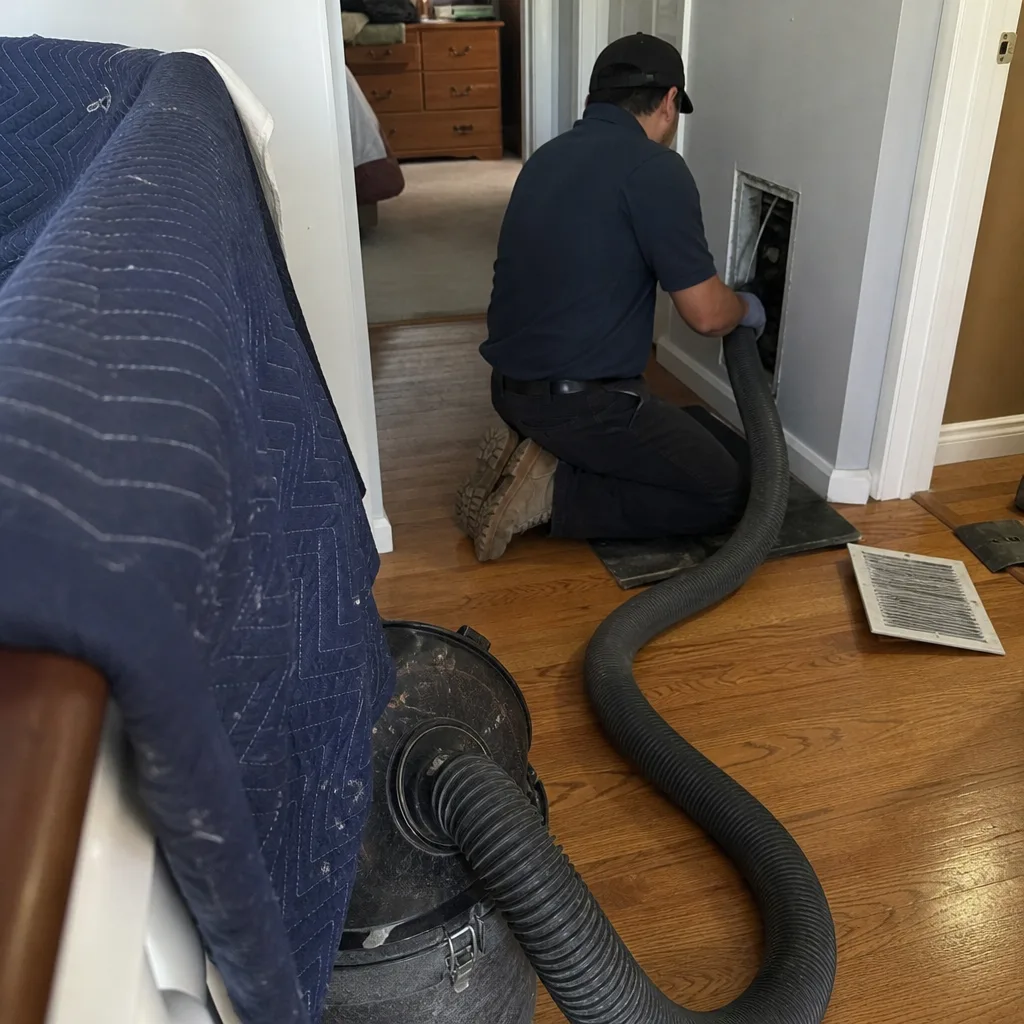 Before
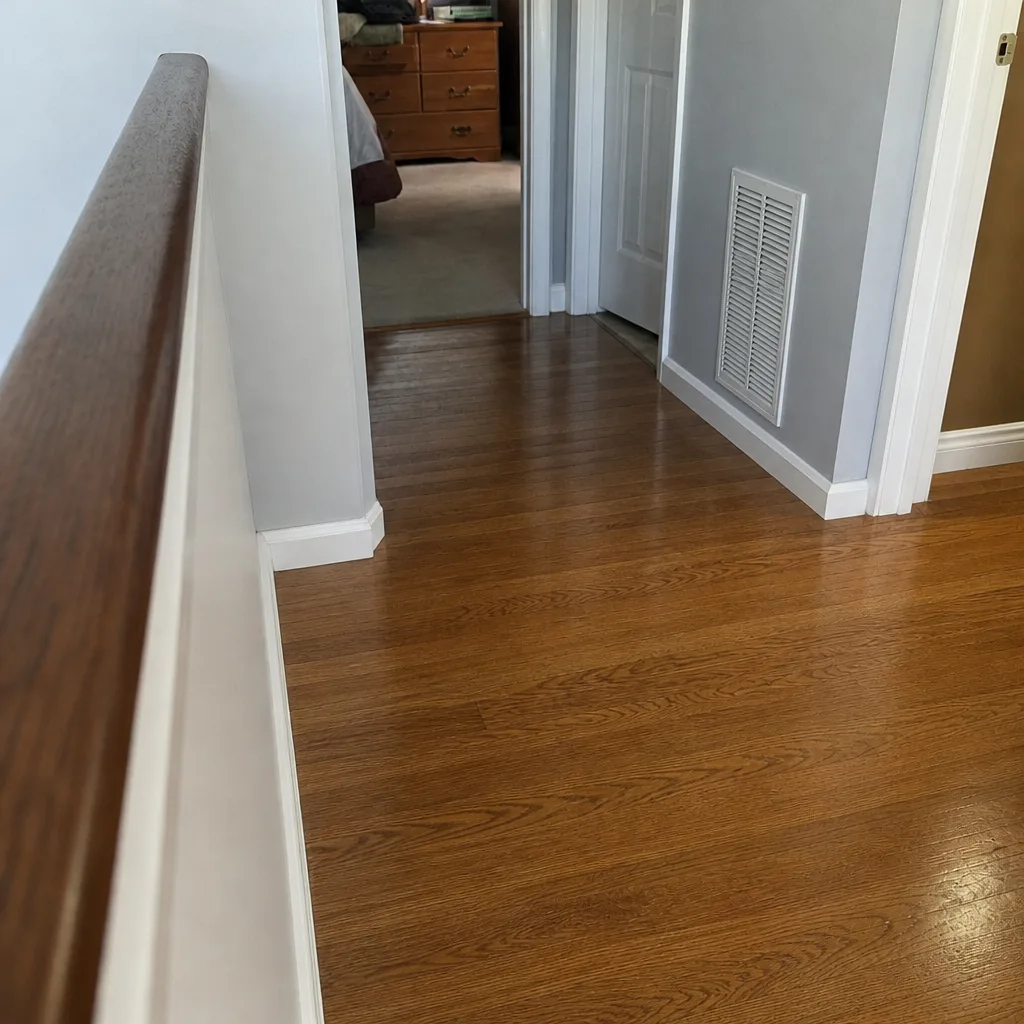 After
When to Call a Professional
The line is clearer than most homeowners think. Call a professional if any of the following is true: you’ve had a renovation in the last year, you’ve seen visible mold or smelled a musty odor from a vent, you’ve found rodent evidence, the system hasn’t been documented as cleaned in five or more years, or allergies worsen when the HVAC runs. Add to that list any sign of duct damage – a register that whistles, a run that’s disconnected behind a wall, a room that never quite gets conditioned – because cleaning without repair leaves the same problem behind.
Air Duct Cleaning Astoria offers free estimates in Astoria – call (855) 510-1266. Our technicians have up to 10 years of experience, and we approach the job with professional-grade equipment from Rotobrush and Nikro, plus the containment capability to handle contamination properly. One flat price per system, agreed before any work starts, with before-and-after photos of your own ducts so you know the job got done. We answer 24/7. Fast dispatch from 7am to 7pm, Sunday through Friday.
Frequently Asked Questions
You can clean the first reachable footage of each register and the grille faces, and you can maintain the filter. What you can’t do is clean the full duct run interior. A shop vac can’t generate the negative pressure required to dislodge and capture debris from 20 to 40 feet downstream, so the material stays put – or gets agitated into the airstream. For a real clean, professional equipment is the only method that removes rather than redistributes. For a free estimate in Astoria, call (855) 510-1266.
Every five to seven years is the common baseline for a typical residential system, but Astoria’s varied housing stock shifts that. Post-renovation, post-mold, post-rodent, or a home purchase all reset the clock regardless of the last clean. If you’ve noticed increased dust, musty smells, or allergy symptoms that track with HVAC use, the interval should be shortened. Call (855) 510-1266 for a free estimate and we’ll help you figure out whether now is the right time.
Cheap quotes in Astoria usually cut scope somewhere: they clean only the registers, they upsell aggressively once on-site, or they use consumer-grade vacuums that agitate more than they remove. The other common pattern is a low coupon price that becomes a much larger invoice by the time the technician leaves. Insist on a flat per-system price in writing before anyone arrives. To get a straight answer on pricing, call (855) 510-1266 – estimates are free.
Before-and-after photos of your own ducts are the standard proof, and any specialist should provide them without being asked. You should also get a written scope of what was cleaned – which runs, whether the plenum and air handler were included, whether grilles were reinstalled and any repair work performed. If the company can’t show you photos, that’s a red flag. Call (855) 510-1266 for an estimate that includes photo documentation as standard.
Duct cleaning focuses on the duct runs, registers, and returns. HVAC cleaning also addresses the air handler, blower wheel, coil, and cabinet – the mechanical equipment that pushes air through the system. Many jobs need both, especially in older Astoria buildings where the air handler has been circulating contaminated air for years. If you’re uncertain which you need, call (855) 510-1266 and we can help scope the right visit.
You can do a visual inspection: pull the dryer out, disconnect the vent, and shine a flashlight inside. If you see lint beyond the first foot, stop and call a professional. Dryer vent lint is a leading cause of residential fires, and improper reconnection or incomplete removal is a real safety hazard. A proper dryer vent cleaning removes the full run and reconnects correctly. Call (855) 510-1266 for a free estimate.
The Bottom Line
The DIY vs professional duct cleaning decision isn’t about whether you’re capable – it’s about whether the equipment can actually move the contamination out of the duct run or just around inside it. Shop vacuums and consumer brushes work the first foot; professional negative-pressure systems from Rotobrush and Nikro work the whole run. What homeowners in Astoria can genuinely do is register cleaning, filter changes, return grille washing, and a visual dryer vent check. What they can’t do is dislodge debris 30 feet down a branch and capture it before it circulates. Knowing that line – and knowing when a scenario pushes you across it – is the whole decision. If any of the must-call scenarios on this page apply to your home, a free estimate is the cheapest way to find out what your specific system needs.
Call (855) 510-1266 for a free estimate. We answer 24/7. Fast dispatch from 7am to 7pm, Sunday through Friday. One flat price per system, agreed before work starts, with before-and-after photos of your own ducts.
Written by the team at Air Duct Cleaning Astoria.