
Last updated November 22, 2026
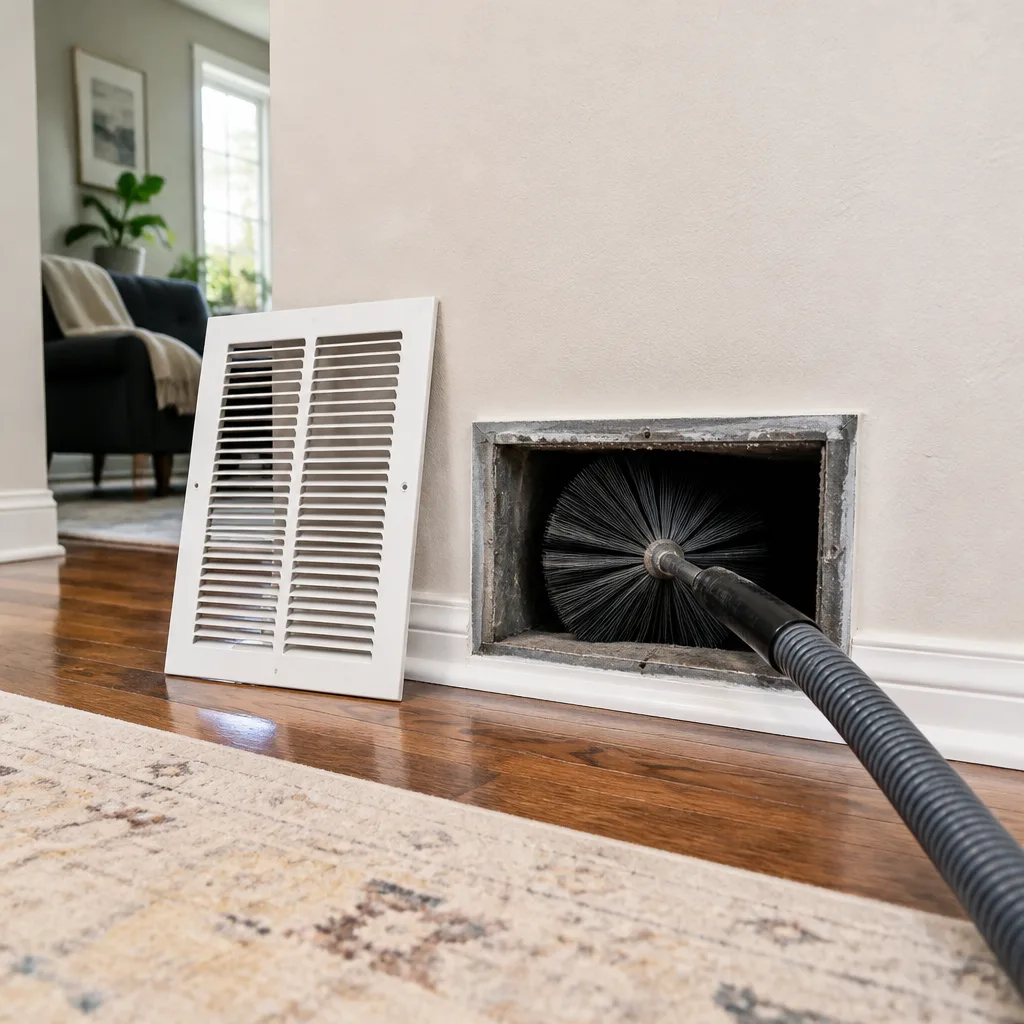 Whole-home duct cleaning
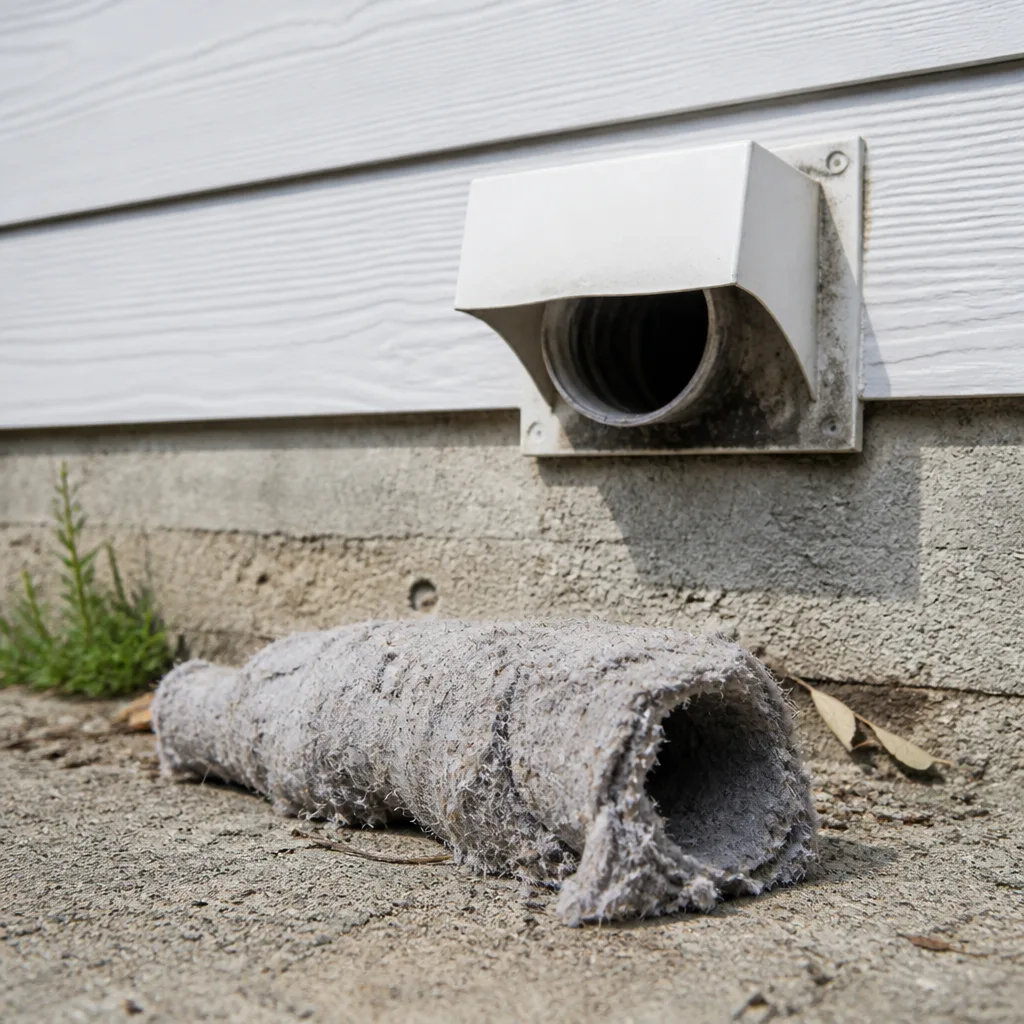 Dryer vent cleaning
 Camera inspection
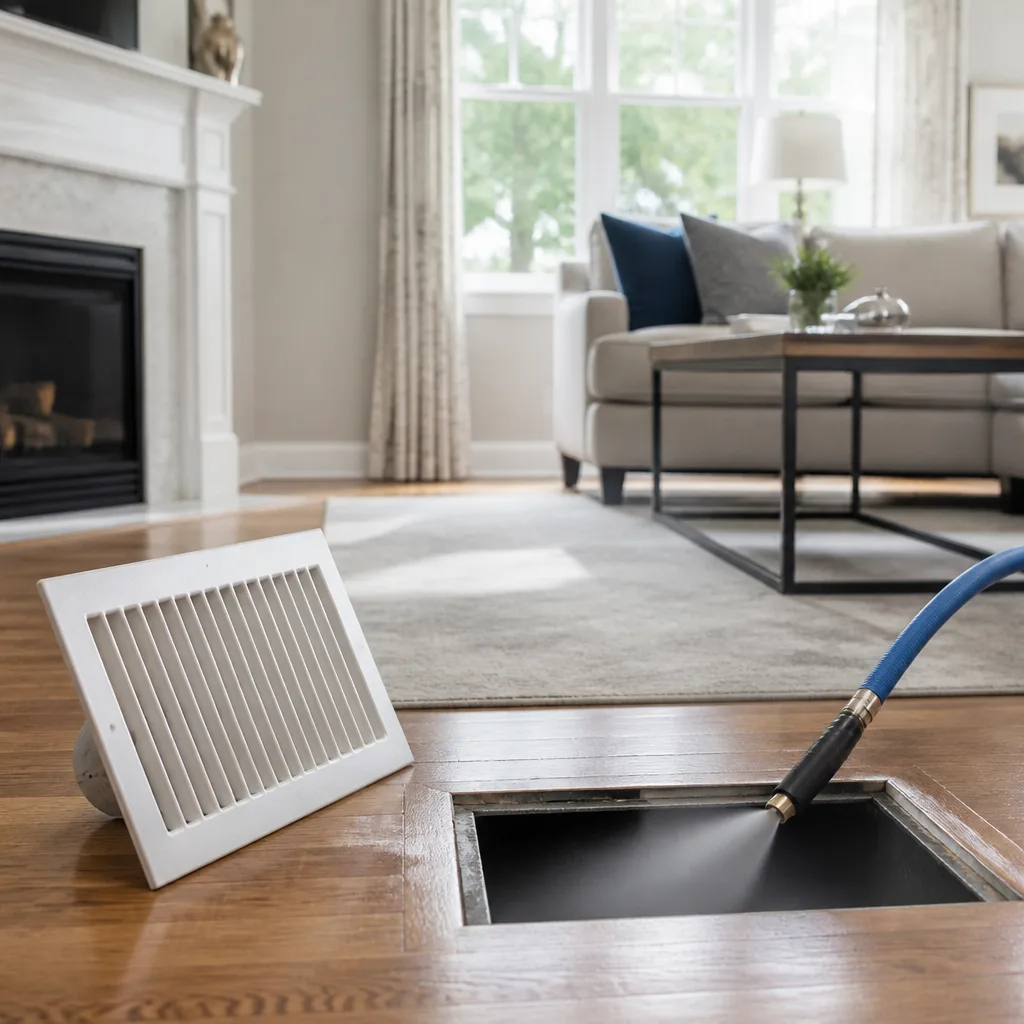 Sanitizing & deodorizing
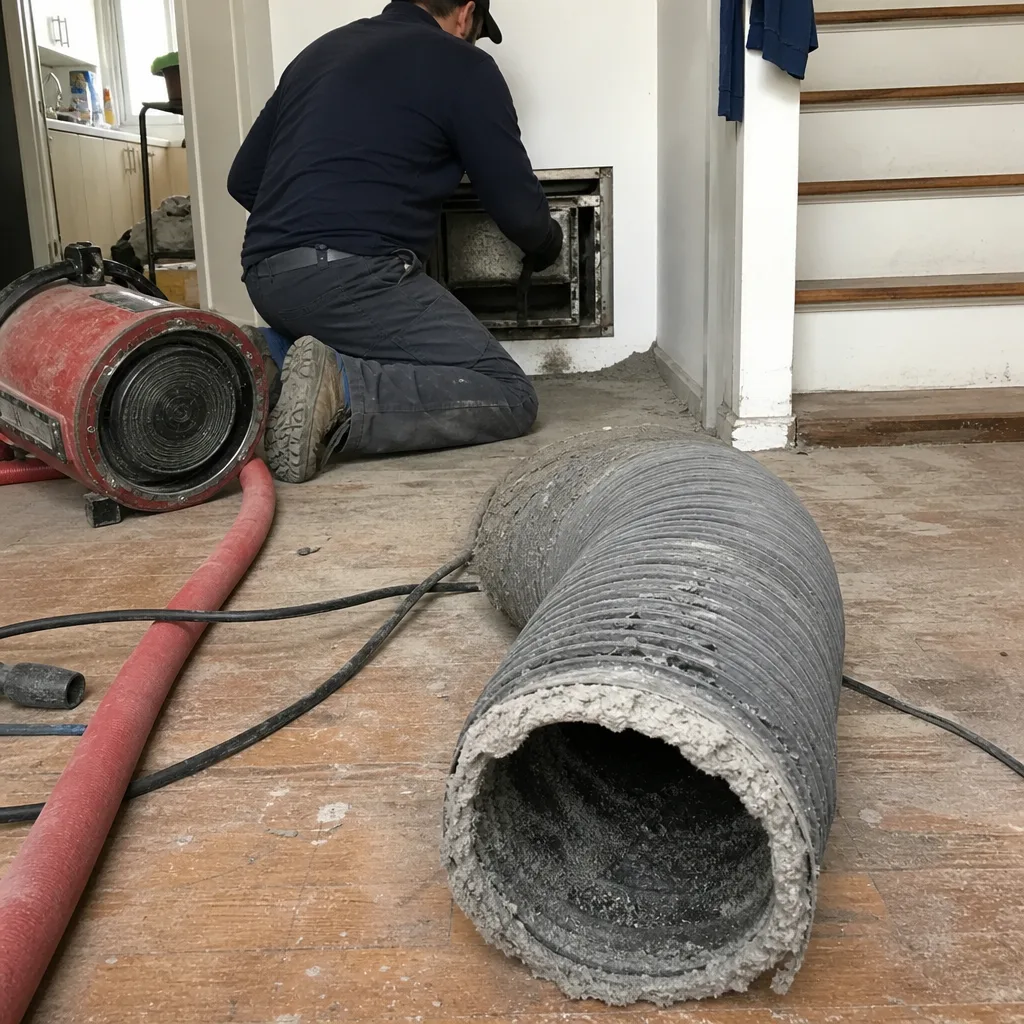
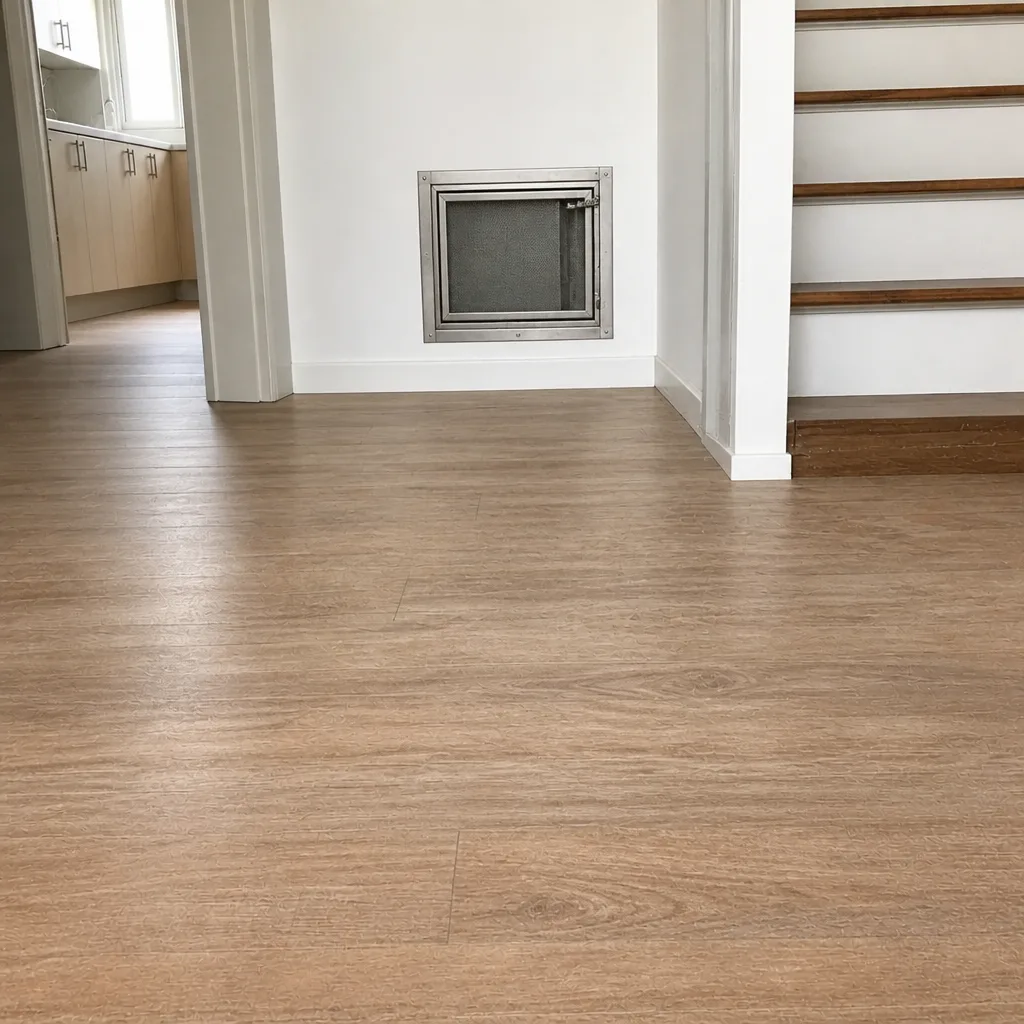
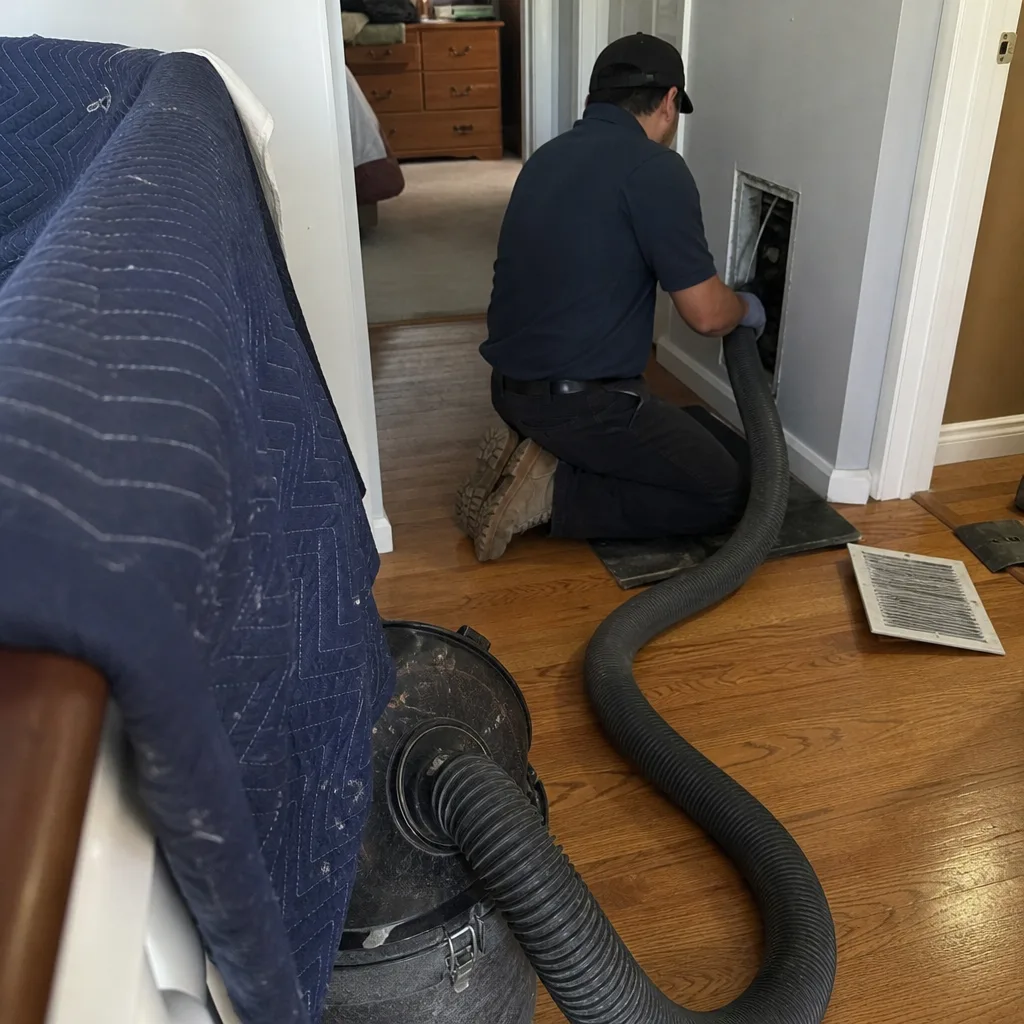
Whole-system duct and dryer vent check with before-and-after photos - you see exactly what came out of your vents
That "$99 whole-house special" is a bait ad - the real number appears once they are in your hallway, or the "clean" is a shop-vac at the register. We photograph the inside of your ducts before and after instead.
Seasonal Air Duct Cleaning Care for Astoria: Year-Round Homeowner’s Guide
Most duct cleaning advice tells you to book one appointment a year and forget about it. That advice doesn’t fit Astoria. Astoria’s four seasons change what’s accumulating inside your duct system, how hard your HVAC equipment is working, and which risks are active right now. Late summer humidity makes any organic debris in the ducts a microbial growth concern. Fall construction dust from a renovation is a different problem with a different response. This guide sets out a season-by-season care framework built around how Astoria homes actually operate, so you can stop guessing and start scheduling with purpose.
Styles & brands we work with
- Whole-home duct cleaning
- Dryer vent cleaning
- Camera inspection
- Sanitizing & deodorizing
Quick Answer
The right way to care for air ducts in Astoria is to match each service to the season: a full cleaning and inspection in early fall before the heating season starts, filter upgrades and register checks in winter, a post-heating assessment and sanitizing decision in spring, and humidity and condensation monitoring through summer. A system should never go more than one season without a human check. For a full-system baseline, see air duct cleaning, which covers the mechanical cleaning process itself.
Table of Contents
- Why Does Seasonal Care Matter More in Astoria Than in Other Places?
- Fall: The Highest-Value Cleaning Window in Astoria
- Winter: How Heating Season Redistributes Particulates
- Spring: Post-Heating Assessment and Pollen Infiltration
- Summer: Humidity, Condensation, and Moisture Problems
- How to Stagger Filter Changes, Register Cleaning, and Professional Checks
- HVAC Cleaning: The Piece Most Homeowners Skip
- Common Mistakes to Avoid
- When to Call a Professional
- Frequently Asked Questions
- The Bottom Line
Why Does Seasonal Care Matter More in Astoria Than in Other Places?
Astoria sits in a climate with four genuinely distinct seasons, and each one leaves a different signature inside your duct system. That’s the core reason a single annual cleaning doesn’t cover everything. The system that runs through a humid August is not the same system that runs through a cold January. The ductwork collects different material and faces different stress in each phase.
Consider what each season contributes:
- Summer: High humidity cycles through the system, and any organic debris already present becomes a microbial growth risk. Condensation can form in older insulated flex duct.
- Fall: Heating starts, which mobilizes settled dust and pushes it through every register. If there’s been a renovation, construction dust adds to the load.
- Winter: The system runs at its heaviest. Particulates get redistributed continuously, and filters load up faster than most homeowners expect.
- Spring: Pollen enters through return air paths, and the system sits idle enough that what’s inside it has time to settle and, in damp conditions, grow.
Astoria homeowners who renovate – and plenty in the neighborhood’s older housing stock do – also deal with a distinct seasonal wrinkle. Construction dust from a spring or summer project has a long tail. It settles into returns and duct runs and won’t simply disappear when the project ends. It surfaces for months afterward, which is why knowing what your system picked up and when matters.
The practical takeaway: don’t clean once. Match the care to the season. For an Astoria property, that means the professional baseline visit belongs in fall, not spring, because fall cleaning happens before the heating season pushes everything through the house. If you’re starting from scratch and want the full picture of what professional service covers, the Air Duct Cleaning Astoria page lays out the five-service scope. The rest of this guide explains the timing.
Fall: The Highest-Value Cleaning Window in Astoria
Fall is the most valuable time to clean ducts in Astoria, and it’s not close. Here’s why. When you run the heat for the first time after months of cooling, every bit of settled dust in the system gets picked up and distributed through the house. If that dust was sitting in the ducts since spring, you’re now breathing it all winter. Cleaning in early fall removes that load before the heating season mobilizes it. Cleaning in spring, by contrast, removes it after it’s already been through the air for months.
A fall visit should cover more than the ducts themselves. When a technician comes out ahead of the first heat, they should inspect and report on:
- The heat exchanger for visible cracks, corrosion, or soot streaks.
- The blower wheel for dust buildup that throws the wheel off balance.
- The air handler and coil surfaces for debris that reduces airflow.
- Return air paths for gaps or disconnected runs that pull in attic or crawlspace air.
- Filter fit and the filter’s condition after the cooling season.
That list is the reason a fall appointment costs less in the long run than a spring one. You’re paying for the cleaning and getting a pre-season picture of the equipment at the same time. A cracked heat exchanger is a safety matter, and catching it before the heating season starts is better than catching it mid-January. For the heating-side work specifically, HVAC cleaning goes further than duct cleaning alone and covers the air handler and coil.
We use Rotobrush and Nikro equipment for this work because those systems are built for duct interiors, not for general surface dust. The distinction matters in fall, when the goal is removing the full settled load before it gets airborne. A general-purpose vacuum won’t lift what’s adhered to the duct walls after a humid summer. If a contractor shows up with a shop vacuum, that’s not a fall cleaning; it’s a surface pass.
Winter: How Heating Season Redistributes Particulates
Once the heat is running, your duct system becomes a distribution network for whatever is still inside it. Every cycle moves air through the same paths, and particulates that weren’t removed in fall get carried through the house and into the living space repeatedly. The single most effective thing you can do during heating season is get the filtration right, because you can’t clean the ducts every week.
Filter strategy for Astoria winters follows a few principles:
- Match the filter to the system, not to the marketing. A high-MERV filter that restricts airflow can strain the blower. Ask what your equipment can handle before upgrading.
- Change more often during heating season than the box suggests. The box tells you a general interval; your house tells you the truth. Check the filter monthly while the heat is running and replace when it’s visibly loaded.
- Seal the filter slot. A filter that doesn’t sit tight lets air bypass it, and bypass air carries dust straight past the filter into the ducts.
- Clean registers between professional visits. The register face collects dust that then gets blown into the room on startup.
Mid-season buildup is the thing to watch. If you’re seeing dust settling on surfaces faster than usual, or noticing a musty smell when the heat kicks on, those are signs that the system is redistributing more than it should. The fix isn’t another filter change; it’s a look at the system itself. In our experience, winter complaints about dust often trace back to a return path that was never sealed or a blower that’s overdue for cleaning. Honeywell and Aprilaire filtration products are what we reach for when a homeowner wants a filtration setup that actually matches the system, rather than a filter chosen by guesswork.
One local note: Astoria’s older housing stock often has ductwork that wasn’t designed for the filtration loads of modern life. A system built for a light filter can’t necessarily handle a heavier one without adjustment. That’s a conversation to have with a technician, not a decision to make in the filter aisle.
Spring: Post-Heating Assessment and Pollen Infiltration
Spring is assessment season, not cleaning season. The heating season is over, the system has run hard for months, and the question is what state it’s in. A spring visit should answer three things: what accumulated over the winter, whether the system has any damage from the heating cycle, and whether the return air paths are letting pollen in.
Spring assessment checklist:
- Inspect the blower and coil for buildup accumulated during heating season.
- Check filter condition and note whether the winter filter interval was adequate.
- Examine return air paths and the air handler cabinet for gaps that let outdoor air in.
- Look for signs of moisture in the ductwork, especially in basements and crawlspaces.
- Note any musty odor and decide whether a sanitizing treatment is warranted.
Pollen infiltration is the spring-specific issue that most homeowners miss. Pollen enters through return air paths, and if those paths aren’t sealed, the system pulls pollen into the ducts and then distributes it. Sealing the returns is often a bigger win than cleaning them. Our Duct Repair & Sealing service exists for exactly this reason: the root cause of contamination is usually a gap somewhere, and cleaning around a gap just means you’ll be cleaning again soon.
Sanitizing is the other spring decision. After a long heating cycle, if there’s been moisture present or an odor persists after cleaning, a sanitizing treatment can make sense. Abatement Technologies equipment is what we use when contamination is a real concern rather than a suspicion. The key is that sanitizing follows cleaning; it doesn’t replace it. A treatment applied over a dirty duct just seals the dirt in place. If you’re weighing whether your system needs the treatment, a free estimate is the place to start. Call (855) 510-1266. We answer 24/7. Fast dispatch from 7am to 7pm, Sunday through Friday.
Summer: Humidity, Condensation, and Moisture Problems
Summer is when moisture becomes the thing to watch inside your duct system. High humidity means the air moving through the ducts carries more water vapor, and anywhere that vapor meets a cold surface, condensation can form. The most common place for this in Astoria homes is older insulated flex duct, where the insulation can degrade or the vapor barrier can tear. Once moisture gets into the insulation, it stays there, and that’s a problem that doesn’t fix itself.
Signs your cooling season has introduced a moisture problem:
- A musty or damp smell that’s stronger when the AC runs.
- Visible condensation or water staining on duct insulation or near registers.
- Dust that clumps rather than settles loosely.
- Increased allergy symptoms during the cooling season that ease when the system is off.
- Sagging or collapsed sections of flex duct in the attic or crawlspace.
Late summer is also the window where microbial growth risk peaks. Any organic debris that settled in the ducts earlier in the year, combined with weeks of high humidity, creates conditions where growth can start. That’s a different issue than construction dust, and it needs a different response. Cleaning removes the debris; sanitizing addresses what’s growing on the surfaces afterward. Doing one without the other leaves the problem half-solved.
Guardsman products are what we use on the surface-protection side when a homeowner wants to reduce the chance of recurrence. The combination of professional cleaning and a surface treatment is more durable in a humid Astoria summer than cleaning alone. If you’re seeing any of the signs above, don’t wait for fall. Moisture problems get worse with time, not better. For the full picture of what a summer visit involves, including the condensation checks, see the Air Duct Cleaning Astoria overview.
How to Stagger Filter Changes, Register Cleaning, and Professional Checks
The goal of a seasonal framework is that your system never goes more than one season without a human check. That doesn’t mean four professional visits a year. It means spreading the small maintenance across the year so the big visits land at the right time. Here’s how to stagger it.
- Early fall: Full professional cleaning and inspection before the first heat. This is the anchor appointment for the year.
- Mid-fall: Change the filter, clean the register faces, confirm the filter fits tight in the slot.
- Mid-winter: Check the filter monthly; replace as needed. Wipe registers. Note any new dust patterns or odors.
- Late winter: Replace the filter once more before the heating season winds down, so you’re not carrying a loaded filter into spring.
- Spring: Professional post-heating assessment. Decide on sanitizing based on what the technician finds.
- Early summer: Check flex duct insulation and vapor barriers for damage. Confirm the condensate path is clear.
- Mid-summer: Watch for moisture signs; clean registers; change the filter if cooling season has loaded it.
That’s two professional visits a year and small maintenance in between. It’s less than most homeowners expect, and it’s more effective than one annual cleaning because each visit is timed to the problem the season creates. The register cleaning and filter changes you do yourself are cheap and easy; the professional visits are where the system gets a real look.
This is also where knowing your house matters. An Astoria home with a finished basement and a long return run will need more attention to the return paths than a smaller unit. A house that’s been renovated recently will carry construction dust for a while and may need an extra assessment. The framework is the same; the frequency adjusts to the property. If you’re not sure where your system falls, a free estimate will tell you. Call (855) 510-1266. We answer 24/7. Fast dispatch from 7am to 7pm, Sunday through Friday.
HVAC Cleaning: The Piece Most Homeowners Skip
Most seasonal care guides talk about ducts and filters and stop there. The piece that gets skipped is the HVAC equipment itself. The blower, the coil, and the air handler are where the air actually moves, and if they’re coated in debris, the cleanest ducts in Astoria won’t help. This is why we handle HVAC cleaning as a separate service rather than an afterthought to duct cleaning.
What HVAC cleaning covers that duct cleaning doesn’t:
- The blower wheel, which collects dust on its blades and loses efficiency as the buildup grows.
- The evaporator coil, which can mat with debris and restrict airflow.
- The air handler cabinet, including the insulation lining and the drain pan.
- The heat exchanger, which needs inspection for cracks and corrosion as part of any heating-season prep.
Seasonal care without HVAC cleaning is cleaning the pipes and ignoring the pump. In fall, the blower and coil should be checked before the heating season starts. In spring, they should be checked again after it ends. The two visits bracket the heating season, which is when the equipment works hardest and accumulates the most. Honeywell and Aprilaire components come into play when a homeowner wants the filtration and control side of the system brought up to the same standard as the cleaning.
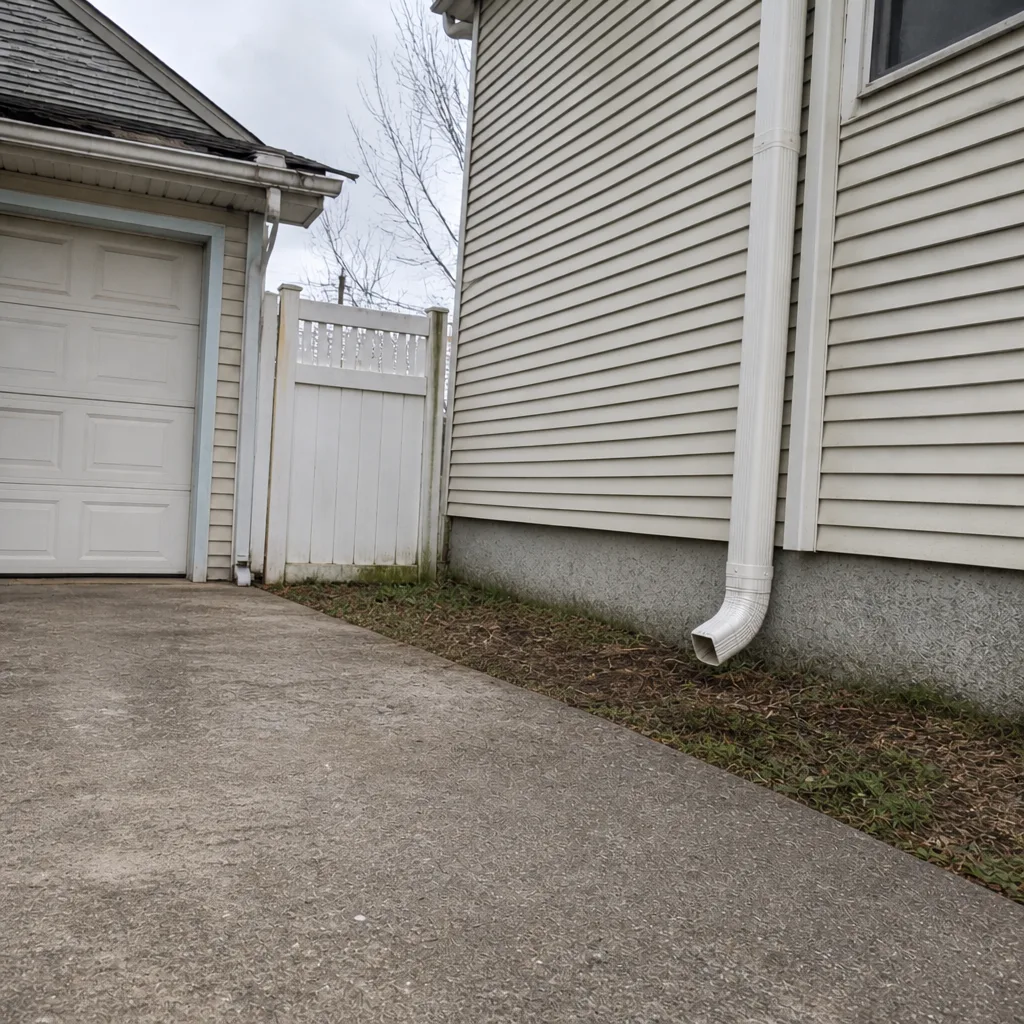
Dryer vents deserve a mention in any year-round framework because they’re a fire-safety matter, not just an air-quality one. Lint accumulates in the vent run regardless of season, and it’s combustible. dryer vent cleaning on a regular interval is one of the few home maintenance tasks where the stakes are genuinely high. If you can’t remember the last time the vent was cleaned, that’s the sign to book it.
Common Mistakes to Avoid
- Cleaning only in spring. Spring cleaning happens after the heating season has already distributed last year’s dust through the house. Fall cleaning happens before it. The fall window is the higher-value one in Astoria.
- Skipping the HVAC equipment. Cleaning ducts without checking the blower and coil leaves the source of much of the contamination untouched. The equipment is where the air actually moves.
- Ignoring a musty smell. Odor after cleaning is a signal, not a coincidence. It often points to moisture or growth that a surface pass won’t address, and it’s worth a proper investigation.
- Choosing a filter by MERV rating alone. The highest-rated filter isn’t automatically right for your system. A filter that restricts airflow can strain the blower, and in Astoria’s older housing stock that’s a real consideration.
- Cleaning around a leak instead of fixing it. If a return path is unsealed or a flex run is disconnected, cleaning the ducts just means the contamination comes back. Repair and sealing belong in the same conversation.
- Treating dryer vent cleaning as optional. Lint buildup in the vent run is a fire-safety issue, and it accumulates regardless of season. It’s not a comfort item.
- Waiting until something breaks. Seasonal care is about the checks that happen before a problem gets expensive. A cracked heat exchanger or a moisture problem in flex duct is cheaper to catch early.
When to Call a Professional
Some seasonal care is yours to do: filter changes, register wiping, watching for changes. Other situations need a technician. Call a professional if you notice a musty smell that persists after you’ve changed the filter, visible condensation or water staining on duct insulation, dust settling faster than usual, or a heating system that’s been running hard for a season without a check. If your home has had a renovation, a professional assessment after the dust settles is worth doing. If you can’t remember the last time the dryer vent was cleaned, book that too. And if you’re setting up a seasonal framework for the first time, an assessment gives you a baseline to work from.
Air Duct Cleaning Astoria offers free estimates in Astoria – call (855) 510-1266. We answer 24/7. Fast dispatch from 7am to 7pm, Sunday through Friday. Our technicians have up to 10 years of experience, and every estimate is written down before any work starts.
Frequently Asked Questions
Once a year is the baseline, and the best time is early fall, before the heating season starts. Homes with pets, recent renovations, allergy concerns, or older ductwork may benefit from a spring assessment as well, so the system gets checked twice a year. The key isn’t a fixed number; it’s that the system never goes more than one season without a human check. Call (855) 510-1266 for an exact quote – estimates are free.
Yes, for most Astoria homes. Fall cleaning happens before the first heat pushes months of settled dust through the house, so the removal happens before the distribution. Spring cleaning is still useful as an assessment, but it comes after the heating season has already done its work. Call (855) 510-1266 and we’ll help you pick the right window for your property.
High summer humidity increases the water vapor moving through your duct system, and where that vapor meets a cold surface, condensation can form. Older insulated flex duct is the most common place for this, because the insulation or vapor barrier can degrade. Once moisture gets into the insulation, it stays, and that’s a problem that gets worse with time. If you suspect moisture, call (855) 510-1266 for an assessment.
Only if the filter matches what your system can handle. A higher-MERV filter that restricts airflow can strain the blower, so the right move is to ask what your equipment supports before upgrading. Honeywell and Aprilaire filtration products give you options, but the choice should match the system, not just the marketing. Call (855) 510-1266 for an exact quote on filtration that fits your setup.
Ask for before-and-after photos of your own ducts. A specialist with professional equipment can show you what was there before and what’s there after, and that’s a reasonable thing to request. One flat price per system agreed before work starts also removes the incentive for the surprise invoice. Call (855) 510-1266 and we’ll walk you through what the visit involves.
Yes, and it’s a separate concern from air comfort. Lint accumulates in the vent run year-round, and it’s combustible, so the fire-safety case for regular cleaning doesn’t depend on the season. If you can’t remember the last time it was done, that’s the signal. Call (855) 510-1266 – dryer vent cleaning is one of our five core services.
The Bottom Line
Astoria’s four seasons each leave a different mark on your duct system, and the right care matches the response to the season. Fall is the anchor cleaning, done before the heating season distributes what’s settled. Winter is about filtration and register upkeep. Spring is assessment, including pollen infiltration and the sanitizing decision. Summer is moisture watch, with attention to flex duct insulation and condensation. The framework is two professional visits a year with small maintenance in between, so the system never goes a full season unchecked. Professional cleaning, repair and sealing, HVAC cleaning, and air-quality work under one specialist keeps it accountable.
For a free estimate on seasonal care for your Astoria home, call (855) 510-1266. We answer 24/7. Fast dispatch from 7am to 7pm, Sunday through Friday.
Written by the team at Air Duct Cleaning Astoria.
See the difference
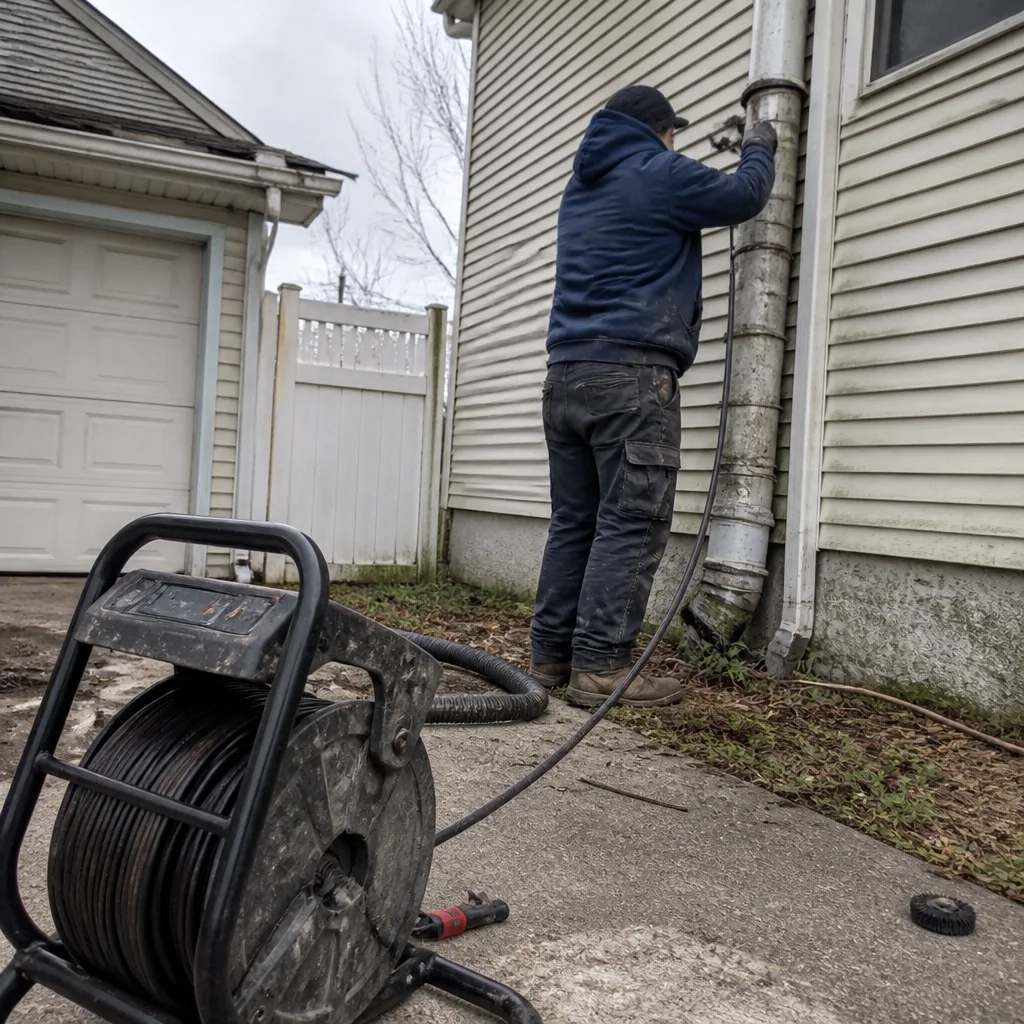 Before
 After
 Before
 After
 Before
 After