
Last updated November 22, 2026
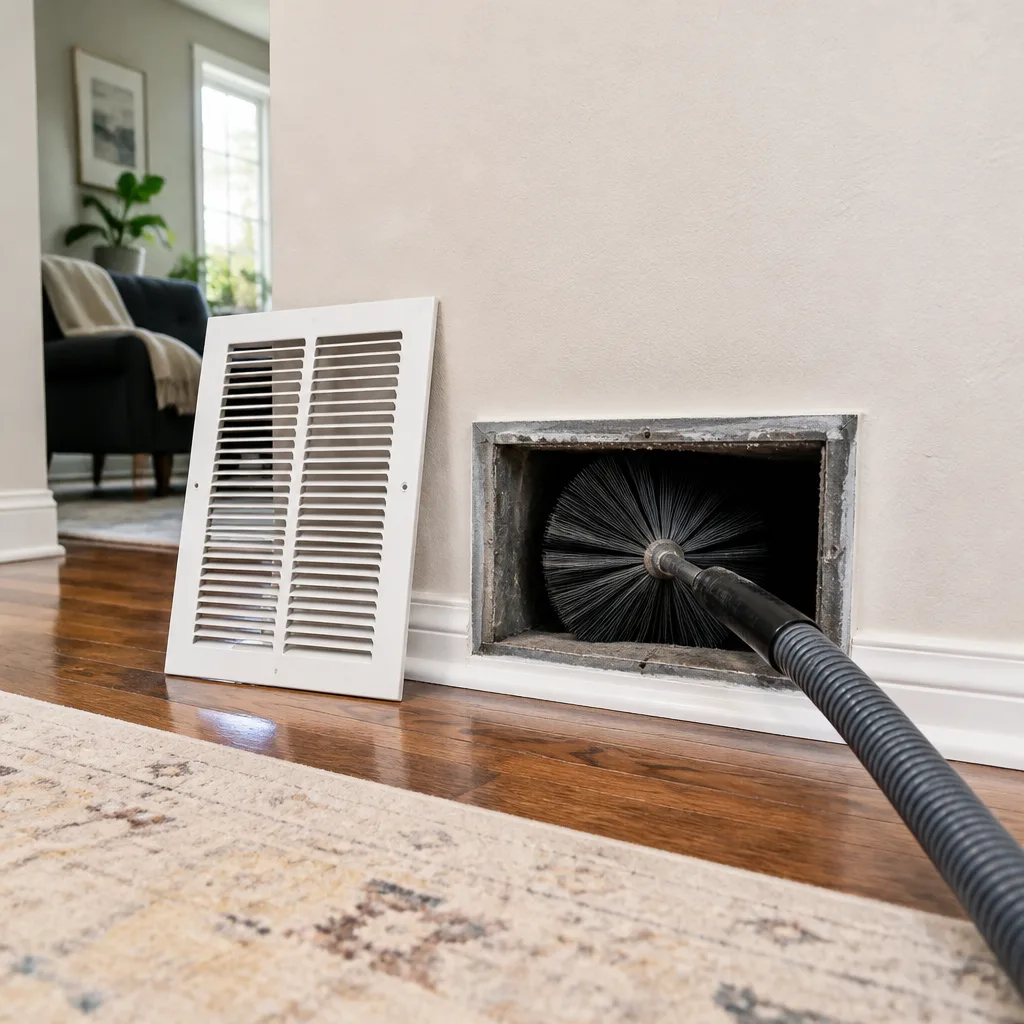 Whole-home duct cleaning
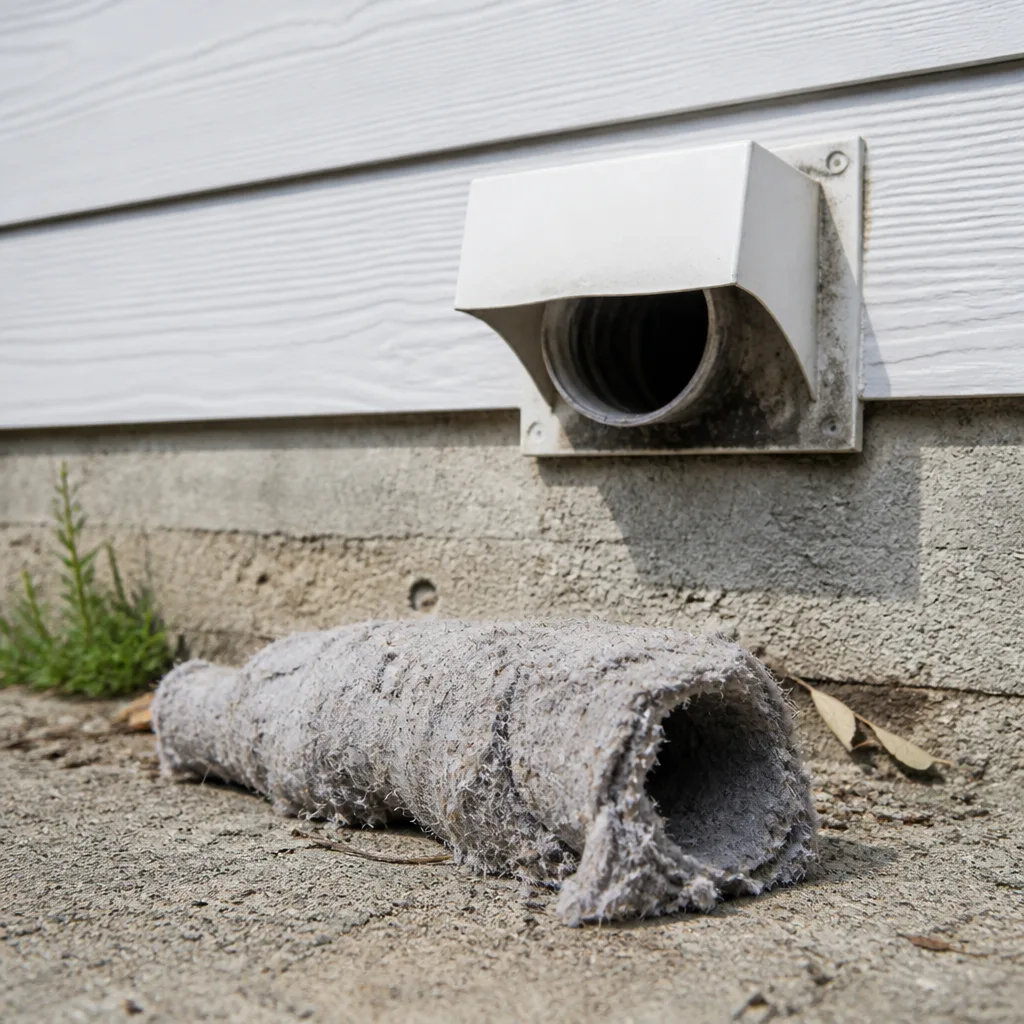 Dryer vent cleaning
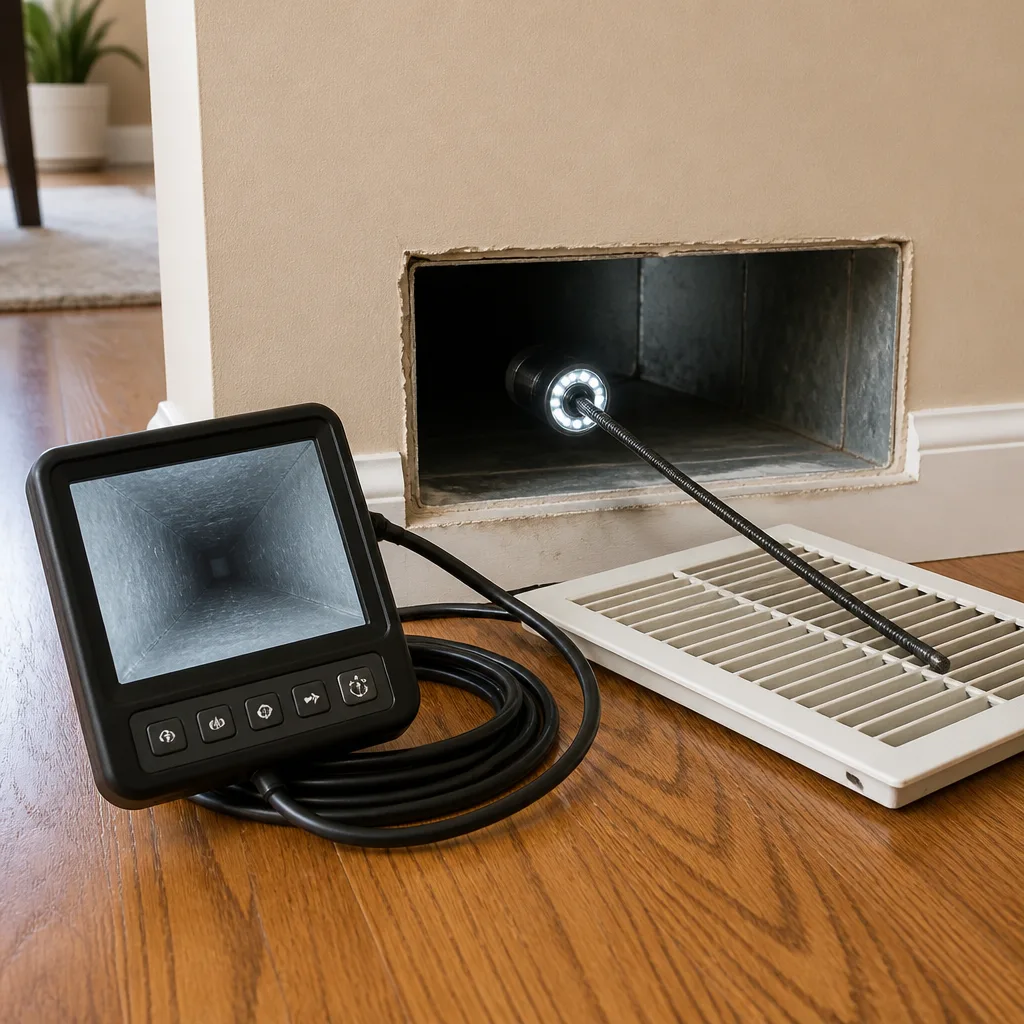 Camera inspection
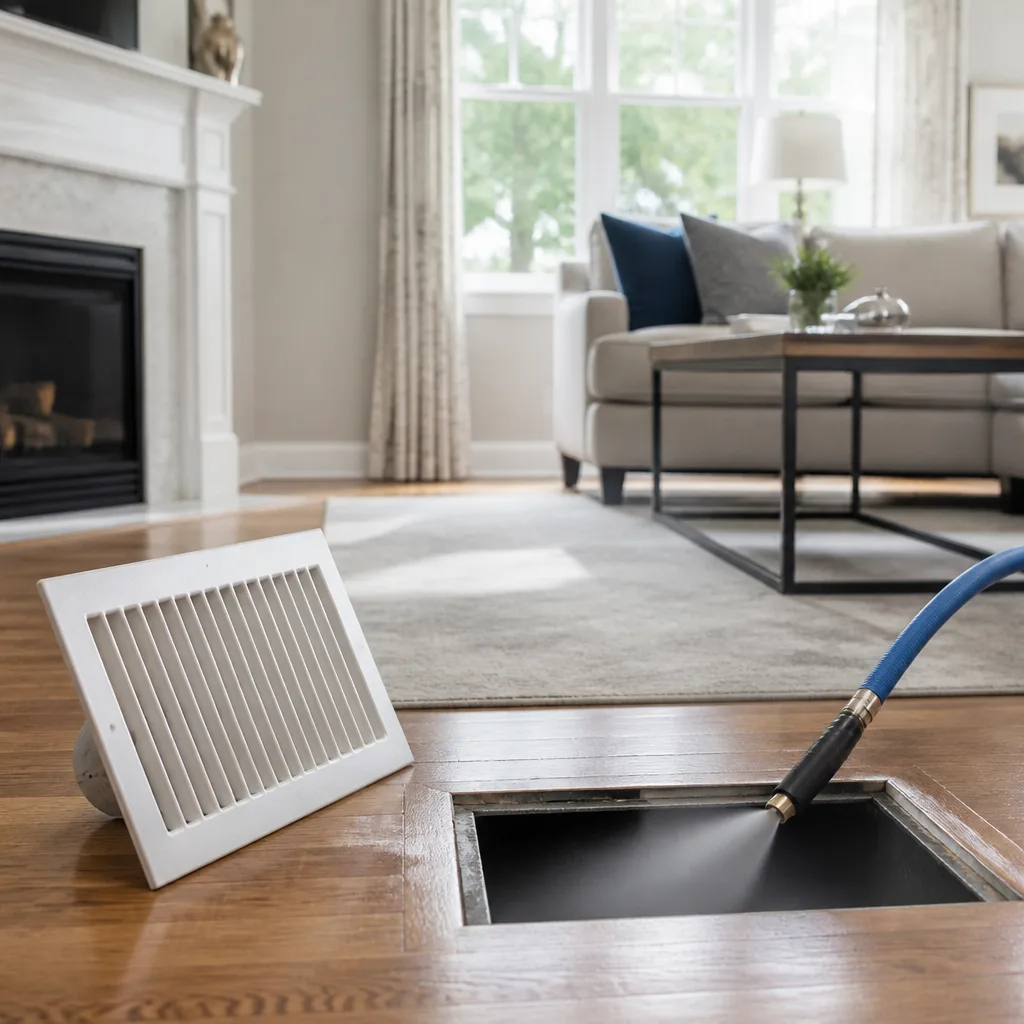 Sanitizing & deodorizing
Whole-system duct and dryer vent check with before-and-after photos - you see exactly what came out of your vents
That "$99 whole-house special" is a bait ad - the real number appears once they are in your hallway, or the "clean" is a shop-vac at the register. We photograph the inside of your ducts before and after instead.
Choosing the Right Air Duct Cleaning Brand: A Buyer’s Guide for Astoria
Here’s the problem nobody warns you about: in this trade, “brand” tells you almost nothing. You can recognize a Trane condenser from across a parking lot, and a Carrier furnace has a nameplate that means something. Duct cleaning has no equivalent. There’s no manufacturer warranty that travels with the work, no certified-installer badge that a factory actually polices, and no logo on the side of the truck that reliably predicts what happens inside your walls. What you’re actually choosing when you choose a provider in Astoria is a set of equipment specifications and a set of technician practices. This guide shows you how to read both, evaluate NADCA certification for what it actually covers, and tell a genuine specialist from a shop vac with a business card.
Quick Answer
The best duct cleaning company in Astoria is the one whose equipment you can verify, whose technician practices you can question, and whose scope covers repair and air-quality work, not just cleaning. Name recognition is close to worthless here. Ask what source vacuum and agitation tools they run, whether they document HEPA filtration, how they handle a duct that’s damaged rather than just dirty, and what they do when the job needs more than a spinning brush. A provider that can answer those four questions clearly is a better bet than one that leads with a logo.
Styles & brands we work with
- Whole-home duct cleaning
- Dryer vent cleaning
- Camera inspection
- Sanitizing & deodorizing
Table of Contents
- Why Duct Cleaning Has No “Brand” in the HVAC Sense
- What NADCA Certification Actually Certifies (and Doesn’t)
- Equipment Is the Real Brand: What to Look For
- Independent Astoria Specialist vs. National Franchise
- Reading Reviews for Technical Signal, Not Stars
- Why Scope Beyond Cleaning Is a Quality Indicator
- Astoria Building Types and What They Demand
- The Questions to Ask Before You Book
Why Duct Cleaning Has No “Brand” in the HVAC Sense
When you buy a furnace or an air conditioner, you’re buying a manufactured object. A factory built it, a factory backs it with a warranty, and a factory trains installers to work on that specific equipment. The brand is a proxy for all of that. Duct cleaning isn’t manufactured. It’s a service performed with tools, and the tools are usually generic to the trade rather than owned by a single manufacturer.
That changes how you should think about the search. Searching for the “best air duct cleaning company Astoria NY” gives you a list of names, and almost every name on that list will sound similar. Some emphasize a big brand association, some emphasize low entry pricing, some emphasize certifications. None of them can hand you a factory warranty on the cleaning itself, because that product doesn’t exist in this industry.
What you can verify instead:
- What the equipment is. Purpose-built duct cleaning systems, not consumer vacuums, and specific enough that you could look up the model.
- Who made the consumables and filters. Filters and sanitizers from recognized manufacturers like Honeywell or Aprilaire have published specifications. Unbranded filters don’t.
- What training and practices the technicians follow. Ask what happens to the registers and vents during cleaning, what they do about a return plenum that’s caked with debris, and how they protect your floors.
In our experience, homeowners in Astoria who ask these questions end up booking a very different company than the ones who google a name and call the first sponsored listing. The questions take five minutes and save a lot of regret.
What NADCA Certification Actually Certifies (and Doesn’t)
NADCA stands for the National Air Duct Cleaners Association, and it publishes a widely cited standard for how duct systems should be assessed and cleaned. It also offers individual credentials, the best known being the ASCS (Air Systems Cleaning Specialist) certification. If a company mentions NADCA, that’s a genuine point in its favor, but it’s not a magic seal, and it’s worth understanding what it covers.
What NADCA certification and ASCS training generally represent:
- A body of coursework on system components, contamination sources, and cleaning methods.
- Familiarity with the association’s assessment and cleaning standards.
- A baseline expectation that a technician has been exposed to professional practice, not just on-the-job trial and error.
What it doesn’t represent:
- A warranty. NADCA doesn’t guarantee anyone’s work, and the credential doesn’t hold a company financially responsible if the cleaning is poor.
- A uniform across the whole company. A certification is held by individuals. A company can advertise an association affiliation while some of the people on the truck have never taken the course.
- A substitute for equipment. Someone with an ASCS credential and a rented shop vac still can’t clean a duct system properly.
So weight it correctly. Certification shows a company takes the trade seriously, which matters. It doesn’t replace asking what equipment will be in your home, whether the technician doing the work is the one who was trained, or what the written scope will actually say. In Astoria, you’ll find that the same handful of providers combine genuine credentials with verifiable equipment, and those are the ones worth a call. For the basics on what a proper cleaning involves, see our page on air duct cleaning.
Equipment Is the Real Brand: What to Look For
If the “brand” of the company is its equipment, then the equipment is what you should be comparing. Duct cleaning requires two things working together: a vacuum powerful enough to put the entire system under negative pressure and carry debris out, and an agitation tool that reaches into the ductwork and loosens the debris so the vacuum can catch it. Weak in either half and the job is cosmetic.
Here’s what a serious specialist brings:
- A source vacuum rated for the job. Purpose-built systems from manufacturers like Rotobrush and Nikro are designed to be connected to the duct system and run continuously, so the whole network stays under negative pressure while the technician works. A portable shop-style unit or a consumer vacuum can’t sustain that.
- HEPA filtration documentation. If the vacuum exhausts indoors, the filtration stage matters. Ask whether the unit uses a HEPA final filter and whether that’s documented in the unit’s specifications, not just claimed.
- An actual inventory of agitation tools. A spinning brush is the start, not the full kit. Serious systems use different heads for different duct sizes and materials: soft brushes for flex duct, more aggressive heads for rigid metal, air whips or skipper balls for runs that a brush can’t reach around, and hand tools for the last few feet near the register. A provider who brings one brush to every job is doing one kind of cleaning.
- Access tools. A good technician cuts small access holes where they’re needed and restores them afterward. If a provider refuses to make access holes and only reaches what’s visible from the register, the far end of your trunk line isn’t getting cleaned.
Agitation and vacuum specs are objective. You can ask. A provider who can name the equipment and explain the tool selection per run is a provider who knows the trade. In our own work in Astoria, we run Rotobrush and Nikro systems because they’re built for this specific job, and we bring a range of agitation heads because no two buildings have the same duct layout. That’s a plain description of equipment, not a brand pitch. When you’re comparing quotes, make it a question you ask every provider on your list.
Independent Astoria Specialist vs. National Franchise
National franchises bring recognizable names and standardized scripts. Independent local specialists bring a smaller operation and a technician who likely lives in the same borough as you. Neither guarantees a good job, but the trade-offs are real and worth thinking through before you pick up the phone.
Where a national franchise has an edge:
- Consistent branding and, usually, a corporate complaint channel if something goes badly.
- Marketing clarity, which makes them easy to find when you first start searching.
- Standardized procedures, in principle.
Where an independent Astoria specialist often does better:
- Accountability. With a smaller operation, the person answering the phone is closer to the person doing the work. Follow-up questions reach someone who can actually change the outcome.
- Equipment investment. A franchise’s equipment package is often set at the corporate level and reflects the lowest common denominator across all its locations. An independent specialist who has to compete on the quality of the work is more likely to have bought the better vacuum and the fuller tool kit.
- Institutional knowledge of Astoria buildings. Prewar walk-ups, courtyard-facing apartments, mid-century co-ops, and newer conversion buildings all pose different duct setups. A local specialist who works in those buildings regularly learns the short turnaround runs, the weird offsets between floors, and the way old galvanized trunk lines are often wrapped in ways that limit access. A national crew following a script from a central office has to figure those out on the day of the job.
The best of both worlds is a local specialist who invests in franchise-grade equipment and follows recognized standards. That’s a realistic target for anyone choosing in Astoria, and it’s worth holding out for. For HVAC work that overlaps with duct cleaning, our page on HVAC cleaning explains where the two services meet.
Reading Reviews for Technical Signal, Not Stars
A five-star average tells you people were satisfied. It doesn’t tell you whether the work was technically good. Most review sections read like a customer service scorecard rather than an equipment and training record, so you have to read for the specific phrases that indicate a real job was done.
Reviews that carry technical signal tend to include:
- Before-and-after descriptions. Concrete language about what came out of the ducts, how much debris was removed, or what the return plenum looked like before the cleaning.
- Specific equipment mentions. A reviewer who names the vacuum system or a particular tool isn’t repeating marketing copy. They saw something they remembered.
- Diagnosis stories. Reviews that describe a technician finding a problem, like a disconnected joint or a crushed flex run, and explaining it clearly before quoting a repair.
- Post-job follow-up. Details about photos being sent, a written summary of what was found, or a follow-up call weeks later.
Reviews that carry weak signal:
- Generic praise with no reference to what the crew actually did.
- Long descriptions of the scheduling or the phone experience, with nothing about the work itself.
- Stories that center on price alone. A great price on a weak job isn’t a good outcome, and a review written primarily around it usually tells you the reviewer’s yardstick was cost.
Cross-check what you read against the company’s own material. If three reviews mention a specific tool by name and the provider’s site only talks about “advanced equipment,” ask which is accurate. If a provider shows before-and-after photos of the ductwork from actual jobs, that’s a stronger quality signal than a star count. Astoria readers are good at sniffing out a canned review section; use that instinct.
Why Scope Beyond Cleaning Is a Quality Indicator
Duct cleaning on its own is a cleaning service. Duct cleaning as part of a full-system workflow is a technical service, and the difference shows up in what the provider can do when the job reveals a problem.
Consider what a technician finds in an average Astoria apartment on a scheduled cleaning. Maybe there’s a run of flex duct crushed behind a soffit. Maybe a joint has separated and the return is pulling attic or wall cavity air. Maybe a length of duct liner has begun to break down, spraying fibers into the airstream. A provider who only cleans will note the problem and recommend you call an HVAC contractor. A provider who also handles repair and sealing can address it directly, and that tells you the provider’s technical depth runs deeper than a spinning brush.
The services that tend to show real capability:
- Duct repair and sealing. Fixing the root cause of contamination and energy loss, not the symptom.
- Dryer vent cleaning. A different system, but the same dust-and-debris discipline. Dryer vents are one of the leading causes of residential fires, and a provider that treats vent cleaning as part of the workflow takes the whole air system seriously.
- Air quality and sanitizing. A dedicated service, using documented products from recognized manufacturers like Abatement Technologies for serious contamination situations, and Aprilaire or Honeywell for filtration upgrades.
- HVAC cleaning. Coils, blower compartments, and drain pans, which are where a lot of the debris a duct cleaning disturbs actually settles.
Air Duct Cleaning Astoria offers all five of those services, and the reason that matters when you’re comparing options is accountability. One provider handles the cleaning, the repair, the sanitizing, and the filtration. No handoff, no finger-pointing between contractors. When a technician finds a broken duct during the cleaning, they can quote the repair and finish the job in the same visit instead of leaving you to schedule someone else.
Astoria Building Types and What They Demand
Astoria’s housing stock is more varied than it appears from the street, and the duct layouts vary accordingly. A cleaning approach that works in one building type doesn’t necessarily transfer to the next.
What local specialists run into:
- Prewar walk-ups. Often radiator heat with window AC, so “ductwork” in the modern sense barely exists. Where ductwork does exist, it’s usually retrofitted and shorter, with tighter turns that frustrate a standard brush. Air quality work in these buildings tends to mean filtration and portable units rather than duct cleaning alone.
- Mid-century co-ops and post-war apartment buildings. Typically have central systems with vertical chases running through the building. Cleaning these requires working around geometry the technician can’t see from any single apartment, and coordination with the building if multiple units are involved.
- Newer construction and conversion buildings. More flex duct, more complex air handlers, tighter clearances. Flex duct is easier to damage and easier to leave partially cleaned, so the technician’s tool selection matters more, not less.
- Mixed-use and courtyard buildings. Air handlers and duct runs often sit in odd spaces, and access can be the whole job. A provider who won’t make access holes and restore them can’t clean what’s behind the wall.
Astoria’s summers push HVAC systems hard, which means the dust and debris inside a running system gets moved around for months at a time. Our winters run the heat for a long stretch too, drying out dust and making it easier for particles to travel. The climate doesn’t cause duct contamination on its own, but it makes the consequences more of everything moving through the house. When you’re choosing between providers, ask how they handle the specific building type you live in. A specialist who’s worked the variation here will have a specific answer. For the fire-safety side of the same system, see dryer vent cleaning.
The Questions to Ask Before You Book
You don’t have to be an industry insider to sort the specialists from the rest. You do have to ask a handful of specific questions and listen for specific answers. Here’s the list we’d want a homeowner to bring to us, and the list we’d want them to bring to any competitor.
- What source vacuum will you use, and does it keep the whole system under negative pressure? If the answer is vague, ask for the manufacturer name. Rotobrush and Nikro are real answers. “Industrial vacuum” is not.
- Does the vacuum exhaust through a HEPA final filter, and can you show me the specification? A provider who knows their equipment can produce the spec sheet.
- What agitation tools will you bring? The answer should vary by duct type, and it should include more than one brush.
- How will you protect the space, and what will you do about access? Drop cloths, corner guards, and a plan for cutting and restoring access holes. Registers removed and reinstalled, not left loose.
- What does the written estimate cover, and is the price per system rather than per vent? You want a flat price for the whole system, agreed before work starts. Per-vent pricing invites bait-and-switch.
- What happens if you find a broken duct or disconnected joint? A provider who can repair it onsite is a materially better option than one who can only clean around the problem.
- Will you show me photos of my own ducts before and after? Before-and-after photos of the actual ductwork are the single best evidence that the work was done. Expect them.
A specialist will answer all seven without hesitation. A shop vac with a business card will get stuck somewhere in the first three. If you want a reference point for what the answers should sound like, our Air Duct Cleaning Astoria page walks through the approach. The right questions take about five minutes on the phone, and they’ll change the outcome more than any name on the side of a truck.
Common Mistakes to Avoid
- Choosing on name recognition alone. There’s no Carrier or Trane equivalent in duct cleaning. A recognizable franchise name tells you nothing about the equipment in the van or the training of the technician doing the work. Ask about the equipment instead.
- Booking the lowest per-vent price. A per-vent price is a teaser. The number that matters is the flat price for the whole system, written down and agreed before the work starts. A cheap per-vent figure can climb quickly once the technician is in the apartment.
- Skipping the access question. If a provider won’t make access holes, the far end of your duct run isn’t getting cleaned. In Astoria’s older buildings, this is where most of the debris actually sits.
- Assuming NADCA certification alone settles it. Certification is a real point in a provider’s favor, but it’s an individual credential and it comes with no warranty. Pair it with equipment and scope questions.
- Not asking about repair capability. Duct cleaning that doesn’t address a broken joint, crushed flex run, or failed liner is surface work. The provider who can also repair what they find is a genuinely different category.
- Trusting stars over content. A five-star average built on scheduling compliments says little about the work. Read for before-and-after descriptions, specific tools, and diagnosis stories.
- Ignoring the dryer vent. If you’re booking a duct cleaning, ask about the dryer vent at the same time. It’s a separate system and one of the leading causes of residential fires, and it deserves the same attention.
See the difference
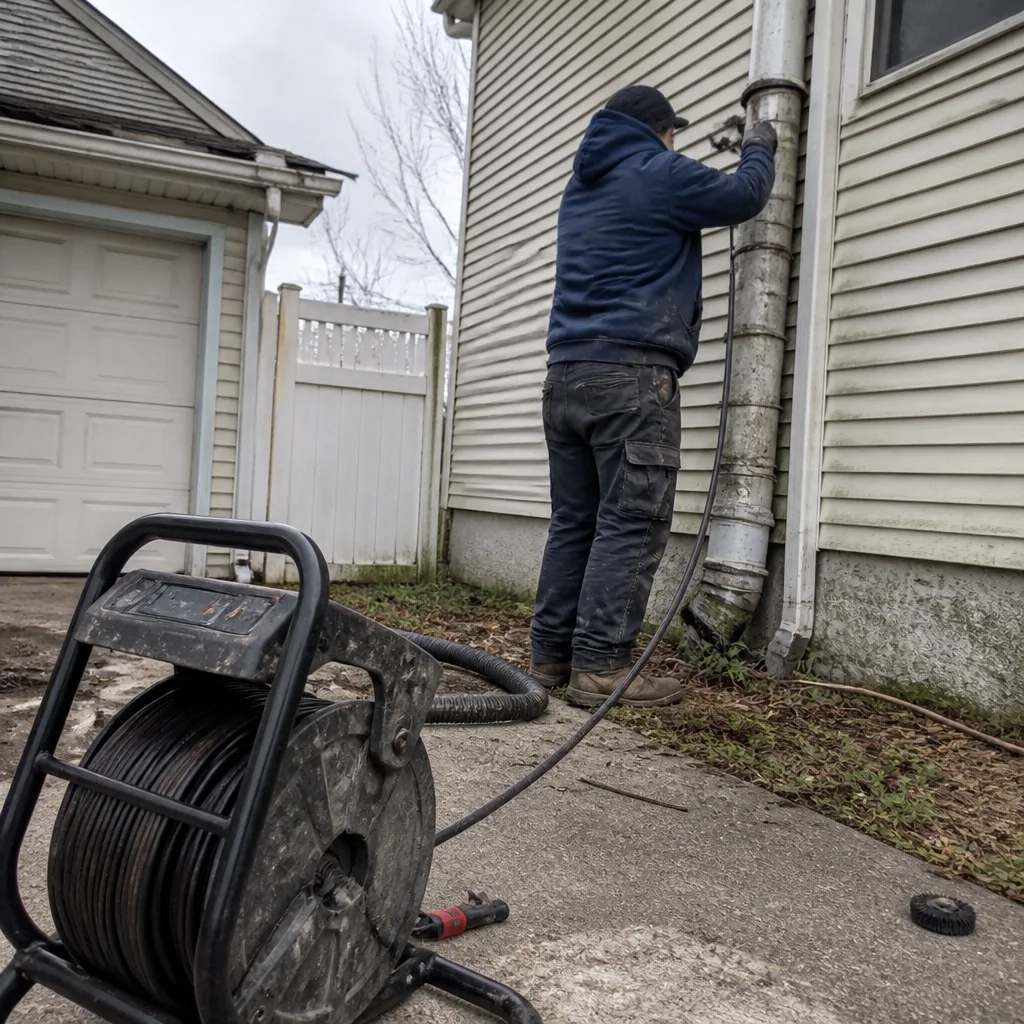 Before
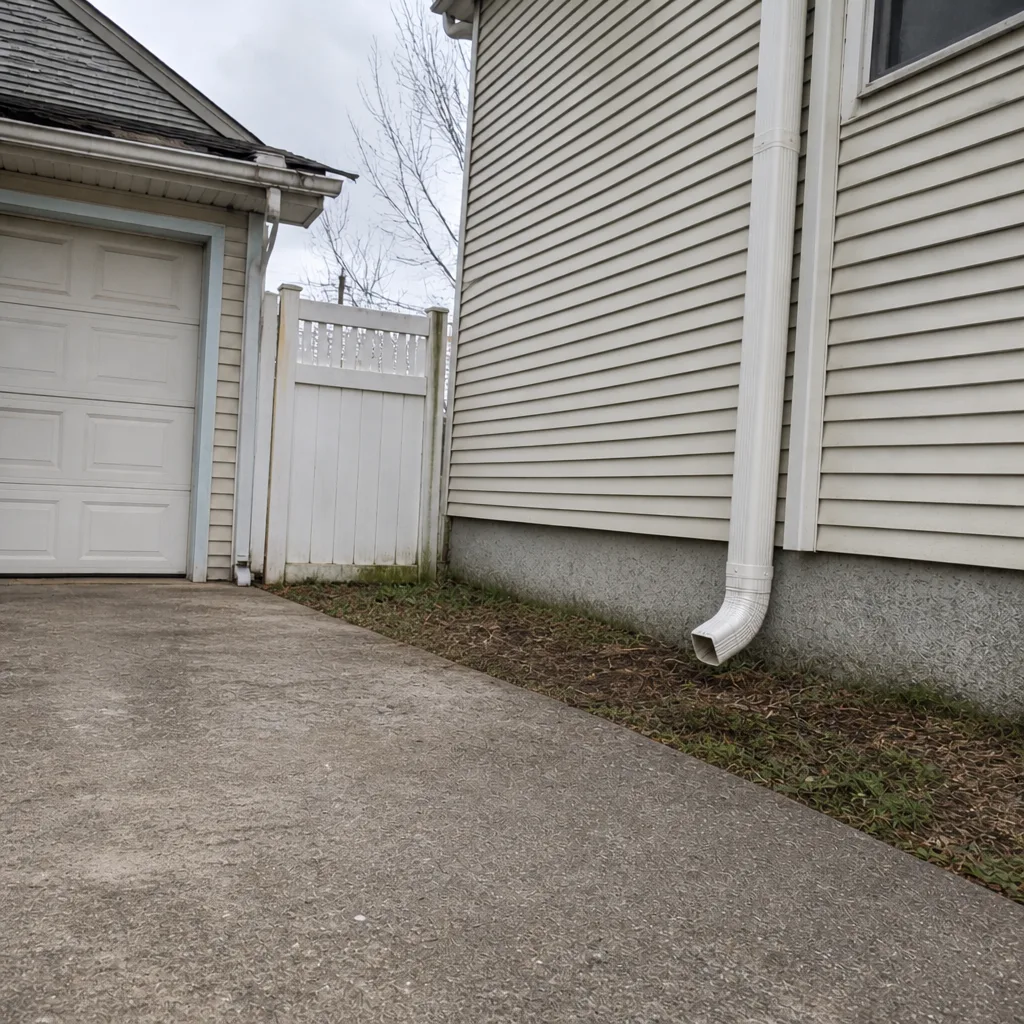 After
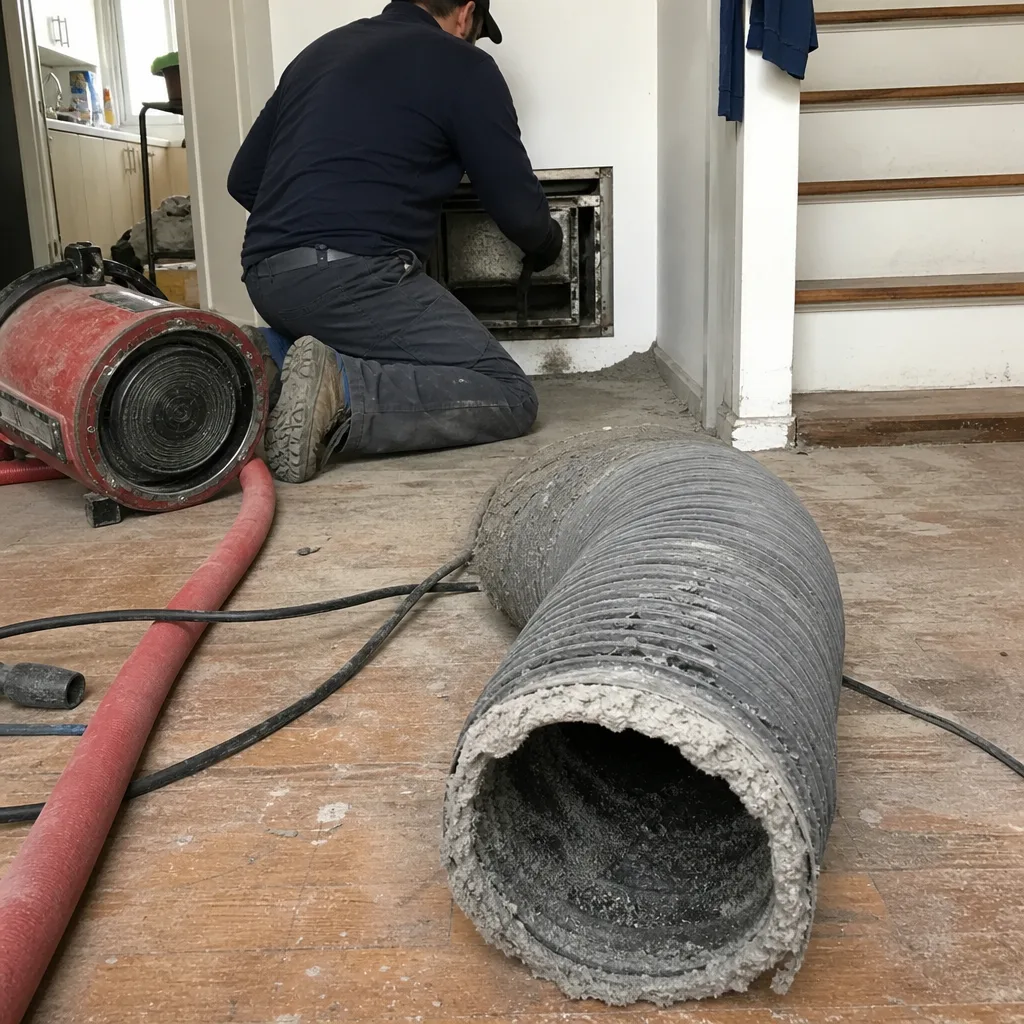 Before
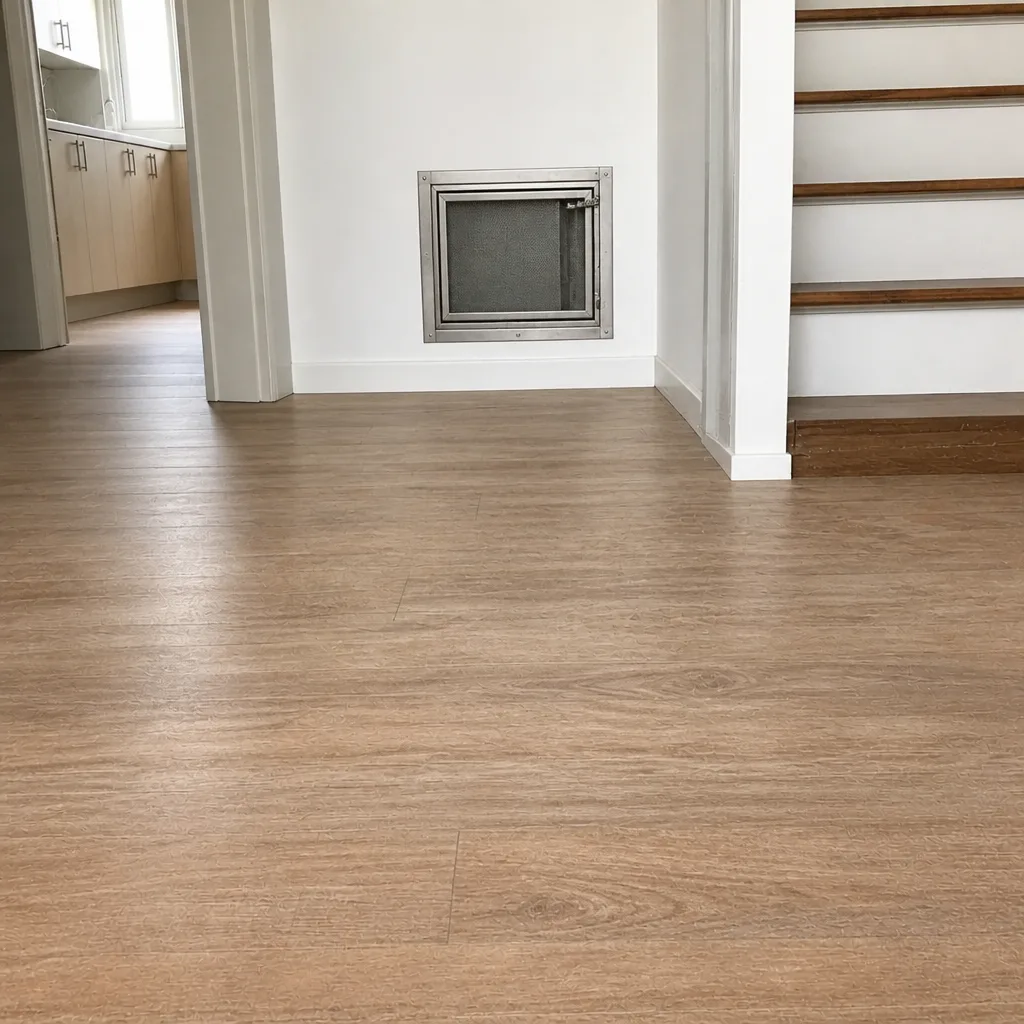 After
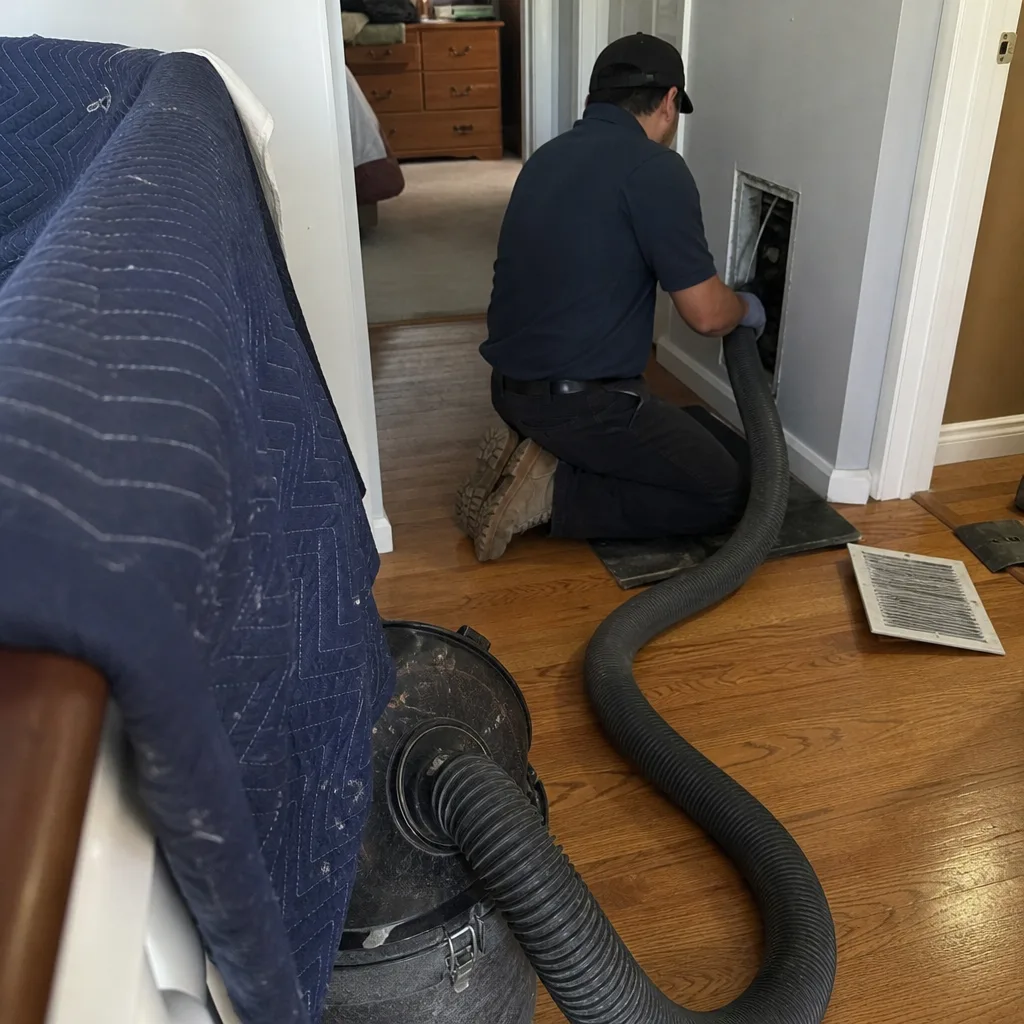 Before
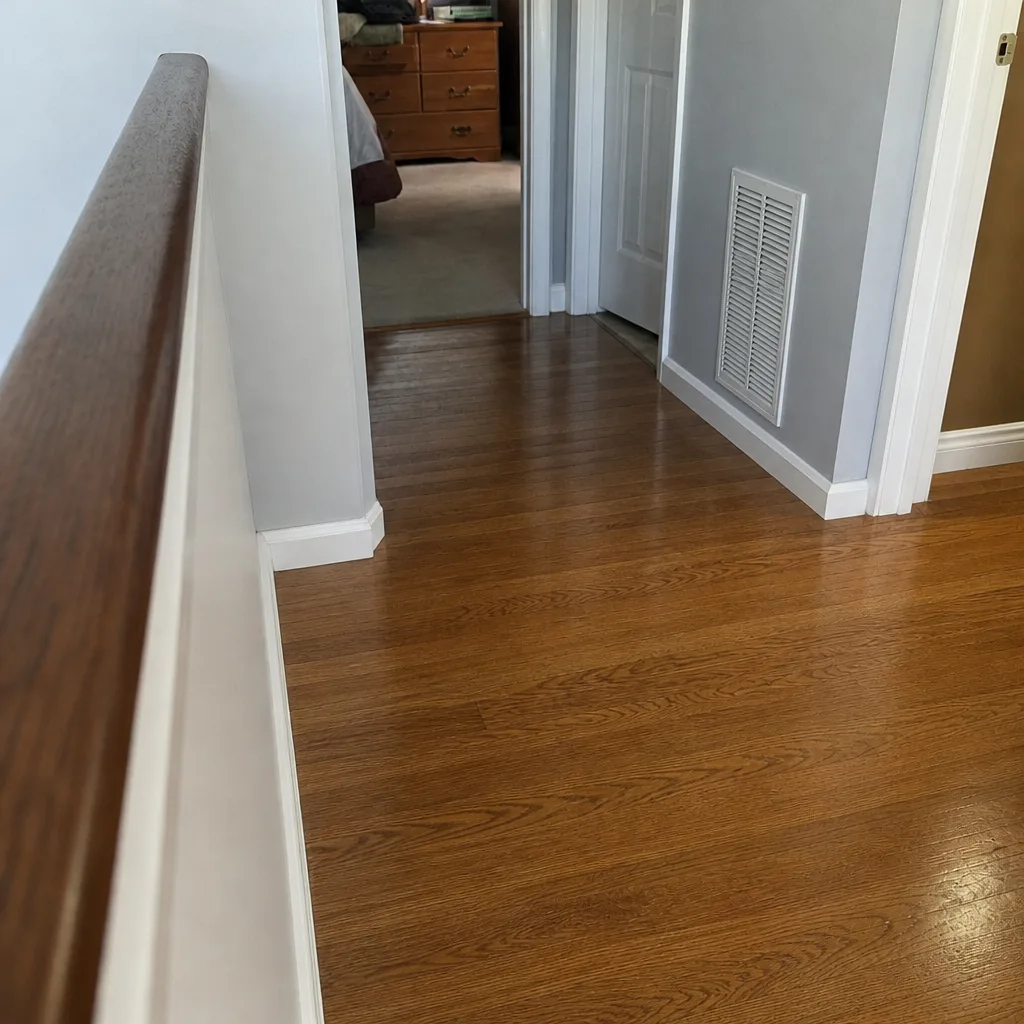 After
When to Call a Professional
You need professional eyes on the system when you’re noticing things that don’t fit the usual pattern. Visible dust puffing out of registers when the system starts. A persistent musty smell that returns after the filter is replaced. Allergy symptoms that flare up indoors and settle down when you’re away. A recent renovation that left drywall dust in the air. A dryer that takes two cycles to finish a load. A home inspection or building sale where duct condition is in question. An older system where nobody has cleaned the ductwork in years. A rush of airflow problems after a nearby construction project. Any of those warrants a professional assessment rather than a guess.
Air Duct Cleaning Astoria offers free estimates in Astoria. Call (855) 510-1266. We answer 24/7. Fast dispatch from 7am to 7pm, Sunday through Friday. You’ll get a written estimate for the whole system, before-and-after photos when the work is done, and honest advice about whether duct cleaning is what your situation actually calls for.
Frequently Asked Questions
Air duct cleaning in Astoria is priced per system, not per vent, and the exact figure depends on the size of the system, the number of runs, and the condition of the ductwork. That’s why we won’t quote a number over the phone. A written free estimate is the honest answer, and it should list what’s included so you can compare it fairly against other quotes. Call (855) 510-1266 for a free estimate.
Cheap quotes usually reflect one of three shortcuts: less capable equipment, fewer agitation tools, or a per-vent price that assumes a small number of vents and grows once a technician is in the home. A provider with a purpose-built vacuum and a full tool kit has more capital in a single job than a shop-vac operation, and that shows up in the cost. The useful comparison isn’t the advertised teaser price. It’s the flat written estimate for the whole system. Call (855) 510-1266 for a free estimate on yours.
Ask for photos of your own ductwork, before and after. A specialist will document what they found and what was removed, including the interior of the trunk line and the return plenum. If a provider doesn’t offer before-and-after photos, that’s your answer about how seriously they document their own work. Call (855) 510-1266 to book an estimate.
Yes, but weight it correctly. NADCA certification reflects real coursework on system assessment and cleaning standards, and it shows a provider takes the trade seriously. It isn’t a warranty, and it doesn’t guarantee every technician on the truck holds the credential. Pair it with questions about equipment, agitation tools, and written scope. Call (855) 510-1266 for a free written estimate.
Newer doesn’t mean clean. Renovation dust, drywall particles, and construction debris often end up in ductwork before the building is occupied, and flex duct systems are easy to leave partly contaminated if the equipment is weak. If your building has recent construction work or you’ve just moved in, an inspection is worth it even if the ducts are relatively new. Call (855) 510-1266 for a free assessment.
There’s no fixed schedule that applies to every household, and any provider who tells you otherwise is guessing. Most homes benefit from an inspection every few years, and a cleaning when an inspection finds meaningful accumulation, or when something changed: a renovation, a new pet, an HVAC system replacement, or persistent dust in the air. A specialist will tell you honestly whether you need it or not. Call (855) 510-1266 for a free estimate.
The Bottom Line
The brand you’re really buying in duct cleaning is the equipment and the technician’s practice, because there’s no manufacturer warranty and no certified-installer program in this trade that can stand in for either. Evaluate providers on verifiable specs: what source vacuum they use, whether the agitation tools vary by duct type, whether HEPA filtration is documented, and what happens when the job needs repair rather than cleaning. Weight NADCA certification as a positive signal, not a warranty. Read reviews for technical content, not stars. And ask every provider for a flat written estimate per system, with before-and-after photos promised in it. In Astoria, that combination is the closest thing to a reliable filter you have.
Written by the team at Air Duct Cleaning Astoria.