
Last updated November 22, 2026
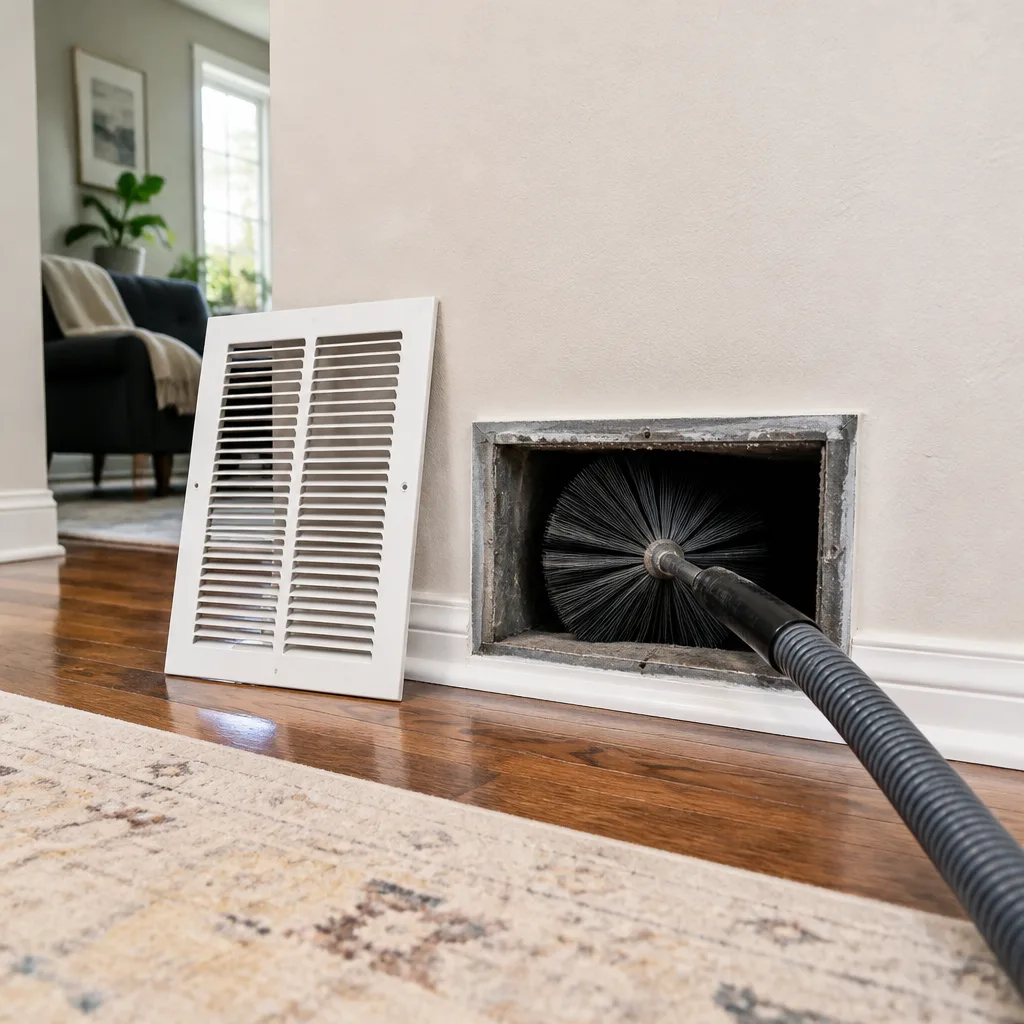 Whole-home duct cleaning
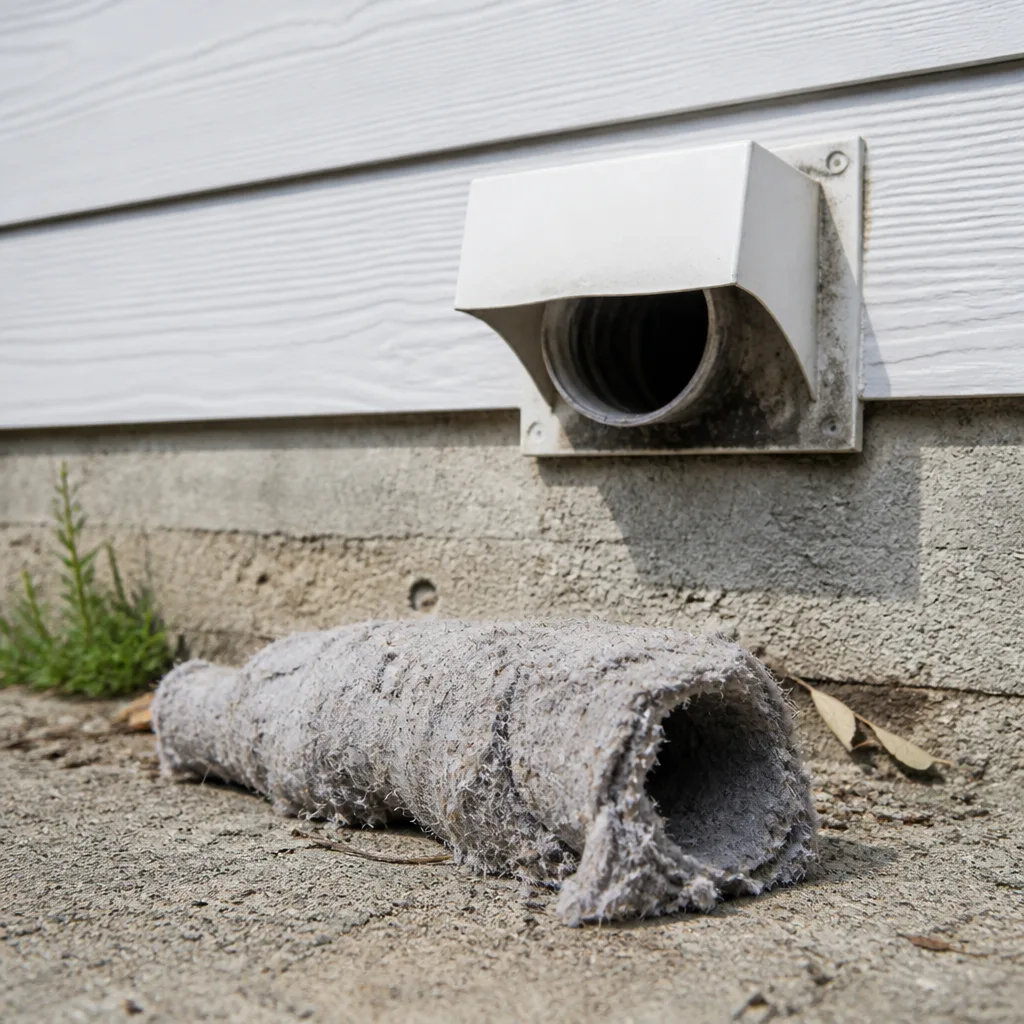 Dryer vent cleaning
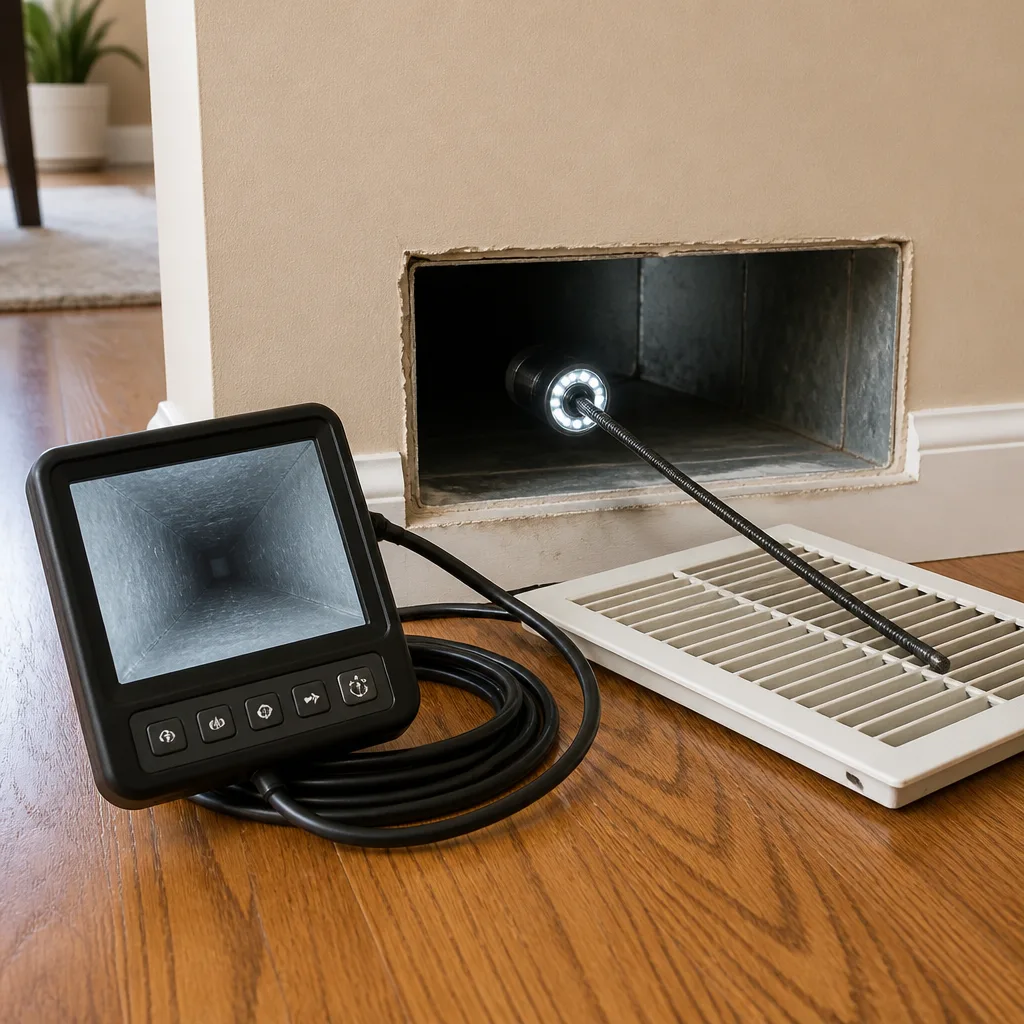 Camera inspection
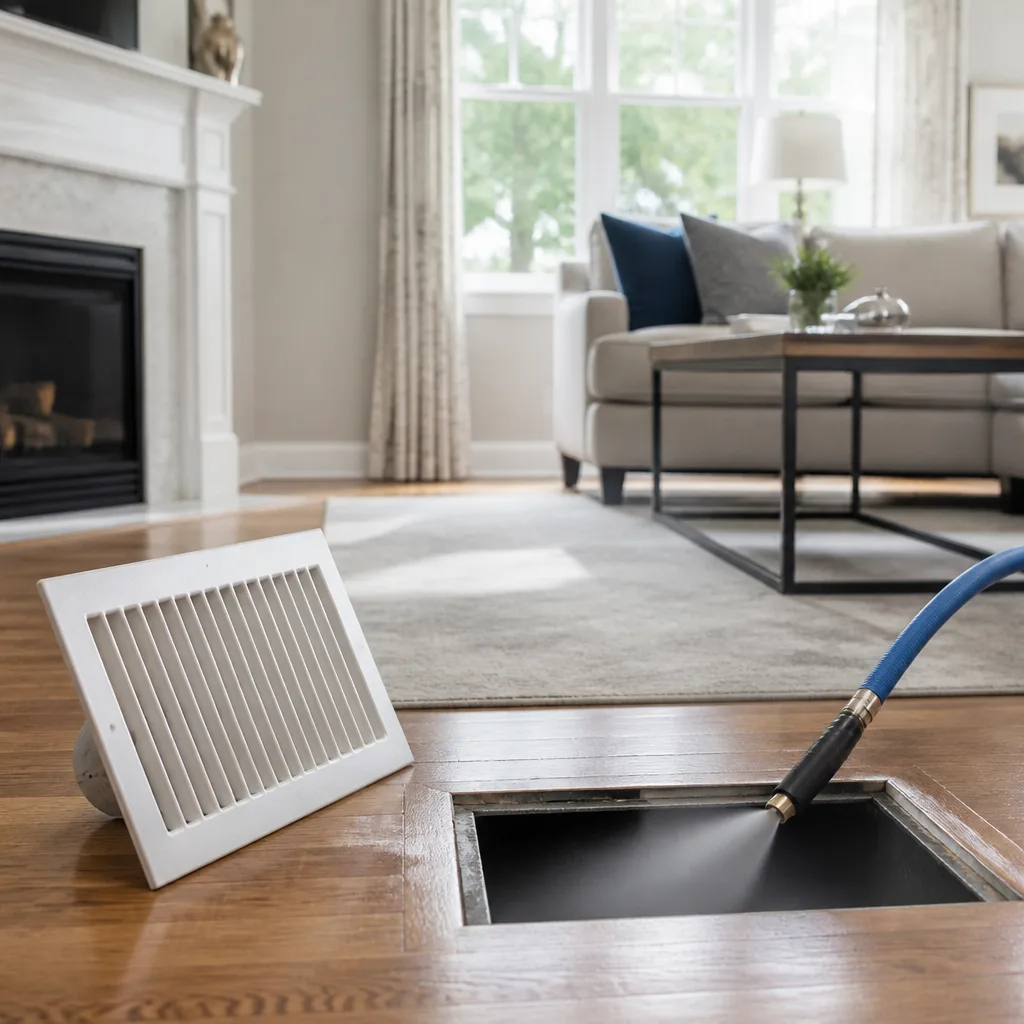 Sanitizing & deodorizing
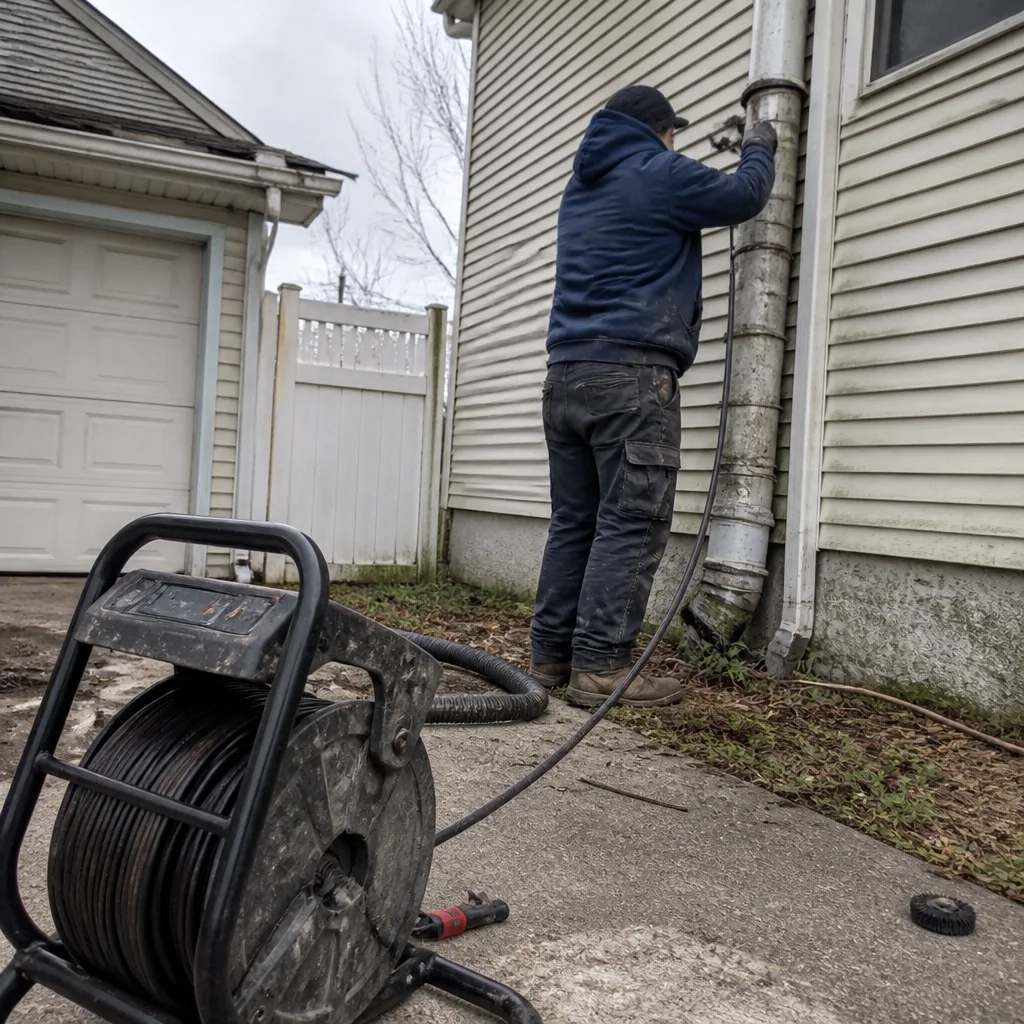
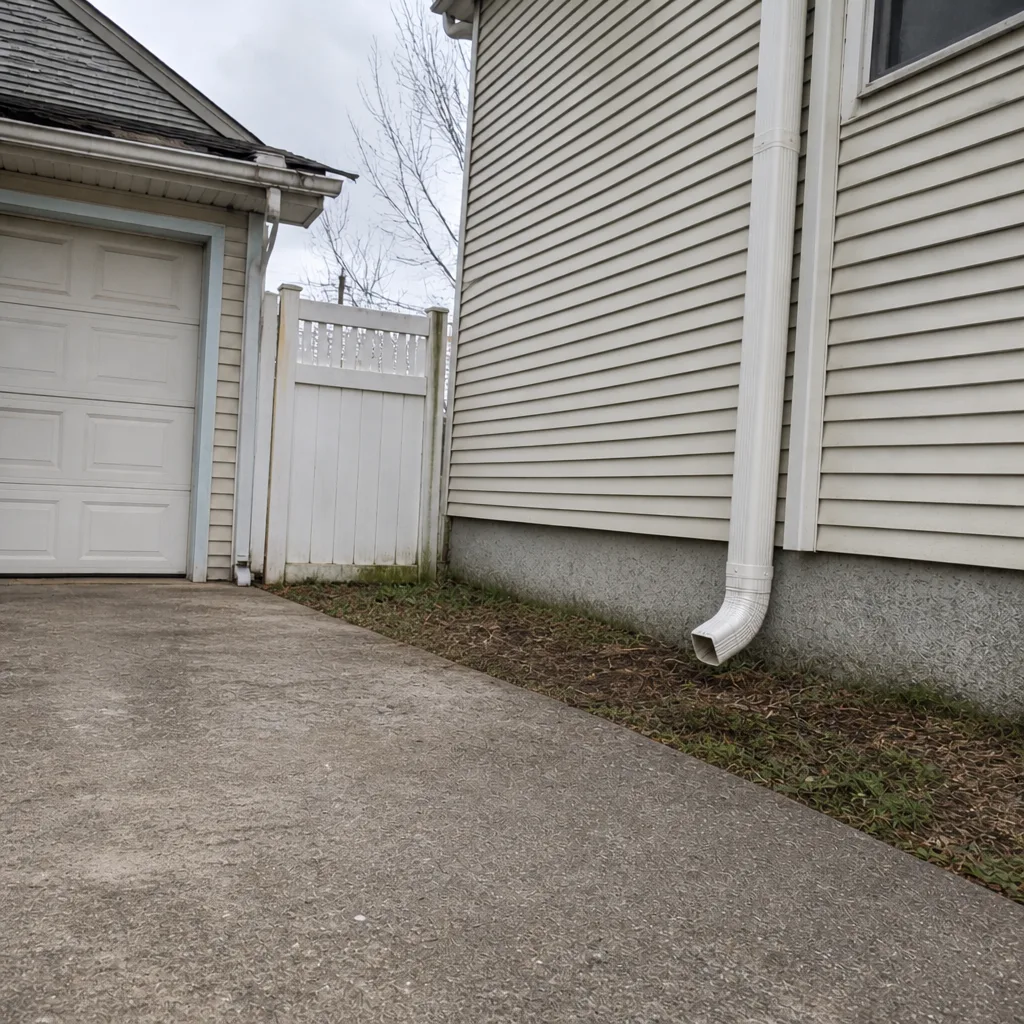
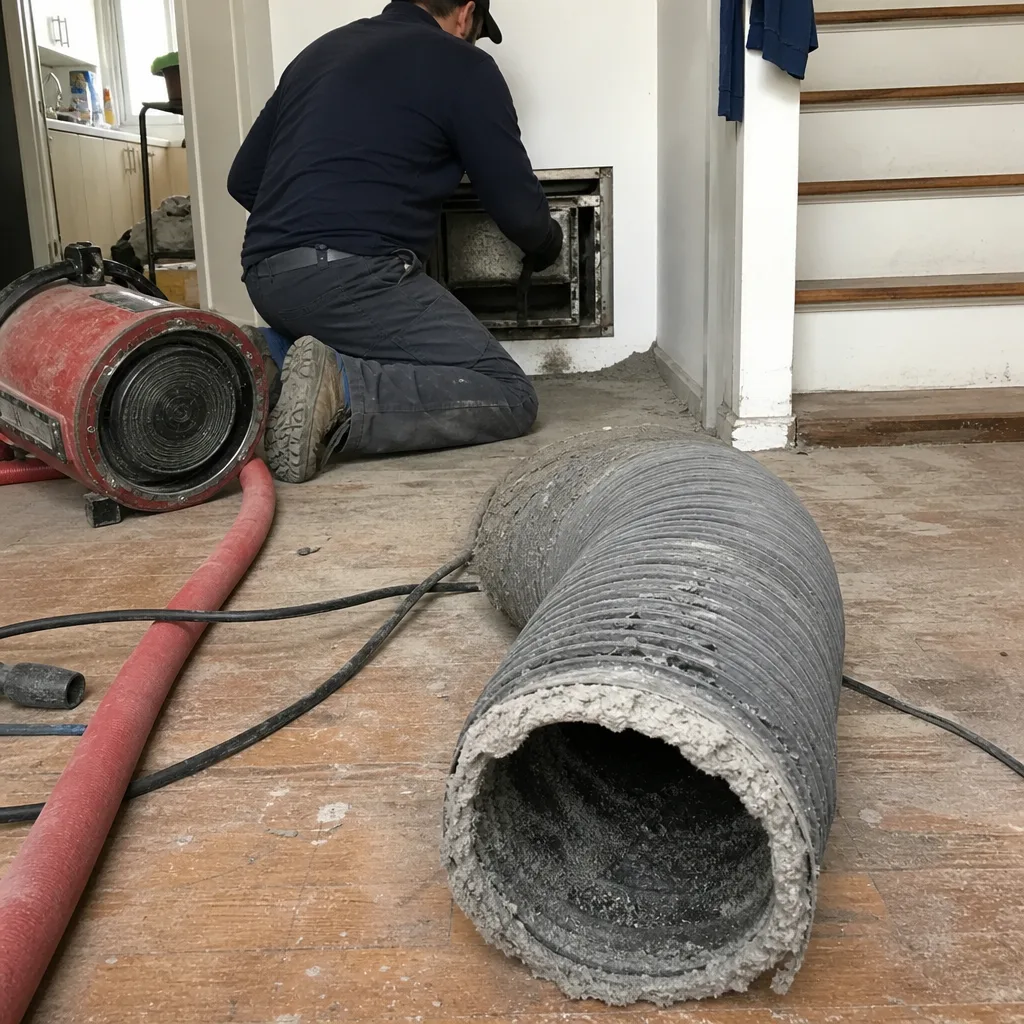
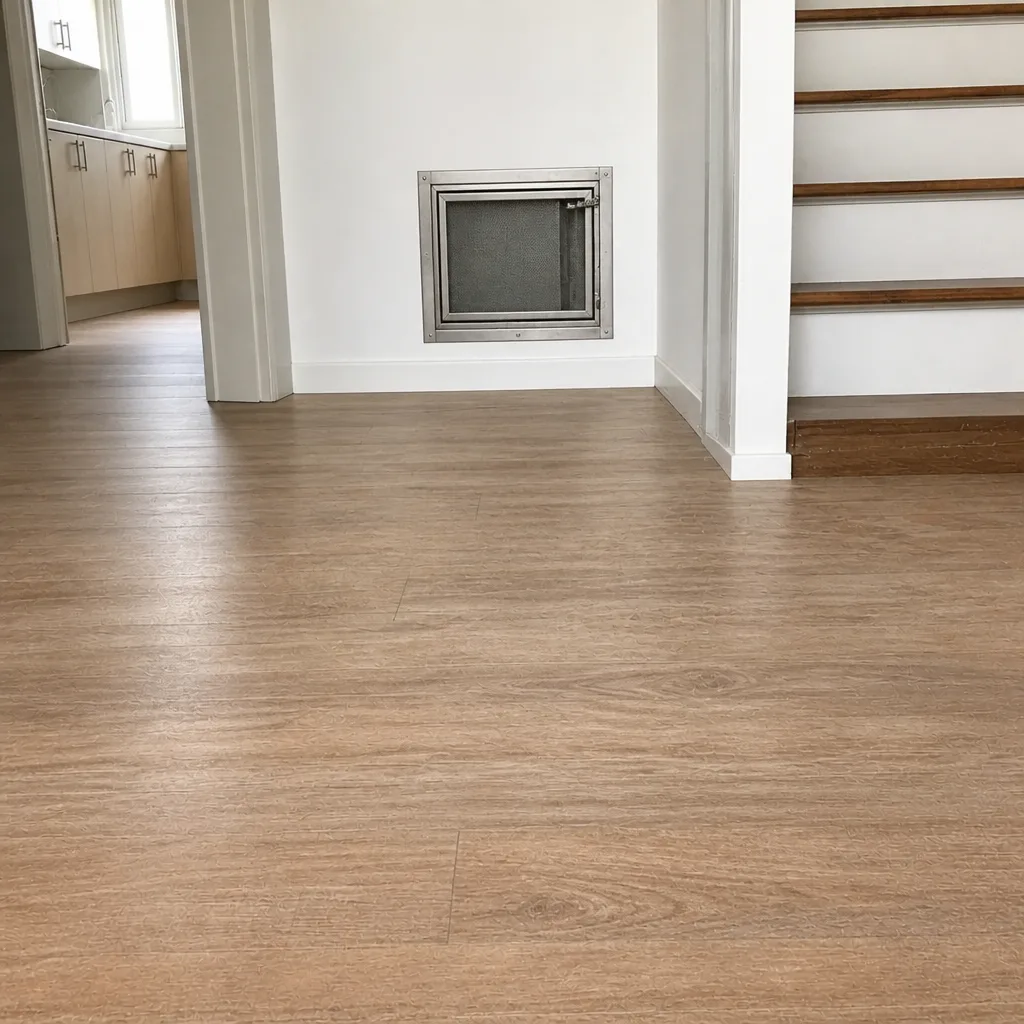
Whole-system duct and dryer vent check with before-and-after photos - you see exactly what came out of your vents
That "$99 whole-house special" is a bait ad - the real number appears once they are in your hallway, or the "clean" is a shop-vac at the register. We photograph the inside of your ducts before and after instead.
Air Duct Cleaning Maintenance Checklist for Astoria Homeowners
A three-year cleaning schedule makes sense for a 2005 suburban ranch house with one family and a sealed, modern duct system. It makes almost no sense for a 1940s Astoria walk-up that just had a bathroom gut-renovated, where dust from demolition can travel through shared returns for months. Yet a fixed calendar is the advice most generic checklists still hand out. In Astoria, duct condition moves with your building’s history, not with a countdown timer. This guide gives you a condition-based maintenance checklist built around what you can actually observe: a flashlight, a white cloth, and a simple log. You’ll learn a room-by-room register inspection protocol, the trigger events that should prompt a cleaning assessment regardless of schedule, what to record between professional visits, and how co-op ownership changes what you can control.
Quick Answer
The core of an air duct maintenance checklist is a quarterly register inspection plus a running log of filter changes, dust reappearance, and odor events. In Astoria, a fixed multi-year interval isn’t reliable, because renovations, occupancy density, pest activity, and humidity swings in older buildings can compress that timeline fast. Track observable indicators, log them, and call for a professional assessment when a trigger event or a pattern in your log points to a problem.
Styles & brands we work with
- Whole-home duct cleaning
- Dryer vent cleaning
- Camera inspection
- Sanitizing & deodorizing
Table of Contents
- Why Fixed Schedules Fail in Astoria Buildings
- The Room-by-Room Register Inspection Protocol
- Trigger Events That Call for a Cleaning Assessment
- What to Log Between Professional Visits
- Co-op and Rental Checklist Items
- Tracking Duct Condition Through Astoria’s Seasons
- What a Professional Assessment Actually Involves
- Common Mistakes to Avoid
Why Fixed Schedules Fail in Astoria Buildings
A cleaning interval is a shortcut, not a measurement. It’s a guess that your system behaves like the average system in the average home. Very few Astoria homes are average. Most of the housing stock here was built before modern duct design existed, which means you’ll find short runs, converted gravity systems, and shared returns between units that a suburban ranch house never had. Those systems collect dust differently, and they need a maintenance approach that responds to what’s actually happening in the building.
Consider what compresses a maintenance timeline in this neighborhood. A renovation two floors up pushes drywall dust into any return that shares a chase. A large household or a home day care raises the volume of air moving through the system every day. An older building accumulates small gaps in the duct seams over time, and gaps pull in dust from wall cavities. None of these events appear on a calendar. They show up in the registers.
We’ve seen how quickly a system’s condition can change after a kitchen gut-renovation in an Astoria apartment, and it’s rarely aligned with any fixed schedule. That’s why the checklist below is built on observation and triggers. You inspect, you log, and you call when the evidence says to. The calendar becomes a reminder to look, not a rule about when to act.
This approach matters for air duct cleaning in general, but it matters more in tight, older housing where one unit’s work can affect a neighbor. If you’re already on a fixed schedule and it’s working, keep it. If you’ve had a renovation, a new pet, or a change in the people inside the home, the schedule should change too.
The Room-by-Room Register Inspection Protocol
You can run this inspection with a flashlight and a white cloth. It takes about 15 minutes in a typical Astoria apartment, a bit longer in a multi-floor house. Do it at least once a quarter, and again after any trigger event from the next section. The goal isn’t to clean anything yourself. It’s to collect honest information you can act on.
The white cloth test:
- Turn the system off. Confirm the thermostat is in the off position before you start.
- Remove one register grille at a time. Most grilles lift out or unscrew by hand. If one is painted shut or stuck, note it and move on. Don’t force it.
- Wipe the inside of the register boot with the white cloth. One firm pass along the visible duct surface. Don’t reach deeper than your hand can see.
- Photograph the cloth against a neutral background. Label the photo with the room name and date. Light gray dust is normal between cleanings. Thick brown or black residue, or a smear with a greasy feel, is worth logging.
- Flashlight the register throat. Look for visible dust buildup, debris, or anything that looks like nesting material. Look at the grille itself for bent vanes or heavy dust load.
- Note airflow at each register. Hold a thin tissue near the grille while the system runs. Weak airflow at one register compared with others often points to a loose duct connection rather than dirt in that run.
- Repeat in every room. Include closets with registers and hall returns. Returns collect the most and tell you the most.
- Log results in one place. A notebook or a phone note both work. Consistency matters more than format.
Work through the whole apartment in one pass and compare rooms. A single dirty register next to a clean room matters less than a pattern. When the kitchen, both bathrooms, and the hall return all show heavy residue, that’s a system-level signal. When one bedroom is dark and the rest are light, look at that run first. Around Astoria, we see this pattern most often in pre-war buildings with converted heating systems, where one run was added or rerouted during a later renovation. The register inspection catches those quirks before they turn into a bigger problem.
Trigger Events That Call for a Cleaning Assessment
A trigger event overrides your schedule. When one of the following happens, treat the system as due for an assessment, even if you had it cleaned recently. The events on this list are the ones most likely to change what’s sitting inside the ducts in an Astoria home.
- A renovation of any size. Bathroom and kitchen gut-renovations are the big ones, but sanding, skim-coating, and even tile removal push fine dust into returns. Many co-ops require work permits for these jobs, and the dust doesn’t respect the paperwork.
- Pest activity. Mice and insects move through wall cavities and duct chases in older buildings. If you’ve seen droppings, heard scratching, or hired an exterminator, get the system assessed before dust and debris settle in.
- An HVAC system change. A new air handler, a replaced blower, or a change from window units to central cooling can shift the load on the ducts. New equipment on old, contaminated ducts moves contaminants through the home faster.
- New or worsening allergy symptoms in occupants. We’re not medical professionals and won’t diagnose anything. But if symptoms appear indoors and ease when someone leaves, log it and have the system checked. It’s one data point among several.
- A dryer vent that’s slow or hot. Lint buildup is a fire-safety concern. If clothes take longer to dry or the outside vent flap doesn’t open fully, schedule a professional visit rather than waiting.
- Visible dust at registers within weeks of a cleaning. Fast reappearance usually means the source wasn’t addressed, often a loose duct, a gap in a wall cavity, or a return pulling from a dusty space.
- A new occupant with significant respiratory sensitivity. A new baby, an older relative, or a roommate with asthma changes the stakes. Get a baseline assessment and log it.
Trigger events are cumulative. If a renovation and a new HVAC system land in the same year in the same Astoria apartment, the system has been through two stress cycles, and the assessment should happen before the next heating season. Logging these events with dates is what makes the history readable later, and that’s the topic of the next section.
What to Log Between Professional Visits
Your log is the single most useful thing you’ll hand a technician. A duct system doesn’t announce its history, but the person assessing it can read a log in two minutes and understand more than an hour of guessing would tell them. Keep one log per system, not per room, and keep it where you’ll actually find it.
A simple log format that works:
- Filter changes. Date, filter type, and whether it looked normal or heavily loaded. Filter load rate is one of the clearest signals of overall dust load in the system.
- Register inspection results. Date and a one-line summary per room. Note which rooms showed heavy residue and which looked clean.
- Dust reappearance timing. After a professional cleaning, note how many weeks pass before the white cloth test shows heavy residue again. That interval is your real baseline.
- Odor events. Date, room, and a short description. A musty smell that appears after rain or in a particular season is worth flagging. Don’t try to diagnose it yourself.
- Renovation and repair dates. Any work that involved cutting, sanding, or opening walls in the unit. Include work done by the building, if it affects your unit.
- HVAC service records. Equipment servicing, part replacements, and any notes from a technician about duct condition.
- Weather events that affect the unit. A leak, a wind-driven rain event that wet an interior wall, or a period of unusually high humidity in the summer.
The log makes a condition-based system possible. Without it, a technician walks into an apartment in Astoria with no context and has to make a judgment call based on what they see in the moment. With it, they can see that dust reappears every month since a bathroom renovation, or that odor appears only in humid weather, or that one register has been slow since the building changed its boiler controls. That changes what gets recommended and what gets fixed.
Our technicians have up to 10 years of experience, and in that time the most common missing piece we see on arrival is a homeowner who can describe symptoms but not timing. A log fixes that. It’s also the first item on any serious maintenance checklist, because everything else on this page depends on it.
Co-op and Rental Checklist Items
Astoria has a lot of co-op and rental housing, and the maintenance checklist looks different when you own the unit but not the building. The critical distinction is the line between what’s inside your unit and what belongs to the building’s shared infrastructure. Knowing where that line sits changes what you can act on and what you need to escalate.
What individual unit owners can control:
- The registers and grilles inside the unit, and the visible duct runs that serve them exclusively.
- The return air filter or filters on your own air handler, if the unit has its own equipment.
- Your own appliances, including the dryer, and your own dryer vent run if it serves only your unit.
- Logistics inside your unit: what filter you use, when you change it, and what you record in your log.
- Your own renovation schedule and dust control practices during work.
What usually belongs to the building:
- Shared chases, risers, and returns that serve multiple units.
- The building’s central boiler, chiller, or air handler if the system is shared.
- Duct runs that serve other apartments, even if they pass through yours.
- Exterior dryer vent terminations and any vent stack that serves more than one unit.
In practice, the line isn’t always obvious. In a pre-war Astoria walk-up, a duct that looks like it serves your living room may join a chase that runs through the whole line of units. Before assuming a problem is yours alone, ask the building’s management or super. Document what they say, and log the date. If a shared chase is the source of contamination, the fix involves the building. Individual cleaning without addressing the shared source usually produces a call for cleaning again within a season.
For renters, the checklist is mostly the same but the authority is different. You can inspect, log, and report. You can replace the filter on your own unit if the lease allows it. Anything that touches shared infrastructure or involves opening walls should go through your landlord or the building’s management. Keep your log either way. It’s the clearest evidence that a problem existed and when it started.
Dryer vent cleaning is worth flagging separately, because it’s a fire-safety concern rather than purely an air-quality one. A dryer vent run that serves only your unit can usually be scheduled directly. A shared termination might need the building’s involvement. Either way, don’t ignore a dryer that’s running hot or slow.
Tracking Duct Condition Through Astoria’s Seasons
Astoria’s humidity swings put real pressure on duct systems. Hot, humid summers followed by dry, heated winters create cycles of moisture absorption and drying inside wall cavities and duct surfaces. That cycle matters for microbial growth risk, and it’s one of the reasons a single yearly inspection isn’t enough. Each season leaves a different signature, and a condition-based checklist reads them all.
Spring: Look for any musty odor that appears when the heating season ends. A smell that shows up in April and disappears by June usually points to moisture that was trapped during the winter. Note the date, and check whether the smell is in one room or across the unit.
Summer: High humidity is the risk window. Check registers after a wet stretch for any visible moisture, condensation, or discoloration on the grille. If the unit has central cooling, watch for condensation at the air handler, which can wet the surrounding area. Note any moisture you can see, without opening panels or trying to fix anything yourself.
Fall: The transition from cooling to heating is the best time for your quarterly register inspection. Dust that settled during the summer starts moving again when the heat comes on, so a white cloth test in October tells you what the system has been holding.
Winter: Heating season dries the air and moves more dust as the system runs constantly. Watch dust reappearance closely, and note if odor returns with the heat. If you have a dryer inside the unit, pay attention to drying times, which tend to slow as the winter progresses.
Across all four seasons, the pattern matters more than any single reading. A home in Astoria that shows musty odor after every wet period, or dust reappearing every six weeks through the winter, has a persistent condition that a one-time cleaning won’t fix. That’s when duct repair and sealing comes into play, because we repair what we find, not just clean around it. Loose seams and gaps let humid air and dust into the system continuously, and no amount of cleaning keeps up with a system that’s pulling in from a wall cavity. Air quality and sanitizing address the microbial side of the same problem, especially in units that have gone through a wet period.
What a Professional Assessment Actually Involves
A professional assessment is more than a visual look at the registers. A trained technician uses professional-grade equipment built for duct systems and reads the system as a whole. On a typical assessment, you should expect the following.
- System walkthrough. All registers, returns, and the air handler are identified and mapped. The technician notes the run layout, which is often the point where an older Astoria apartment reveals a converted or added run.
- Visual inspection with lighting and camera. A technician uses specialized lighting and, where needed, a camera to look down duct runs. This is where hidden debris, disconnected joints, or pest evidence shows up.
- Contamination assessment. The technician evaluates the type and volume of material in the system and whether the source appears to be active or settled.
- Equipment-based cleaning. When cleaning is warranted, it’s done with professional machinery. We use Rotobrush and Nikro equipment, which is purpose-built for duct cleaning rather than adapted from general vacuums. The difference shows up in the result and in whether contaminants are actually removed from the system rather than agitated into the air.
- Repair and sealing. If the assessment turns up loose seams, disconnected runs, or gaps that let wall cavity air into the system, those get addressed as part of the same visit when possible. Cleaning without sealing usually means cleaning again soon.
- Sanitizing and air-quality review. For systems where microbial growth is a concern, sanitizing is available. We work with Abatement Technologies and air-quality product lines from Aprilaire and Honeywell, so there’s a path from a one-time clean to a system that stays cleaner over time.
- Report and plan. You should walk away with a written estimate and a clear picture of what was found. The estimate sets the price, and it should be itemized so you understand what you’re paying for.
The five services we offer (air duct cleaning, dryer vent cleaning, HVAC cleaning, duct repair and sealing, and air quality and sanitizing) are designed to work as one workflow. That matters for a maintenance plan because a single provider sees the whole system, not just the ducts. If a dryer vent concern and a duct concern show up in the same visit, which happens often in an older Astoria unit, they can be addressed together rather than through two separate appointments with two different contractors.
Common Mistakes to Avoid
- Following a fixed multi-year schedule without checking anything in between. Calendars work for maintenance reminders, not for decisions. Your log should drive the timing, not the schedule.
- Cleaning ducts without fixing the source. If dust reappears within weeks, a loose seam or a wall cavity is likely the cause. A second cleaning without addressing the gap just restarts the clock.
- Assuming the building’s shared infrastructure is someone else’s problem. In an Astoria co-op, a shared return that serves several units can be the source of a problem inside yours. Ask management, log the answer, and don’t assume.
- Ignoring the dryer vent. Lint accumulation is a fire-safety concern, not only an efficiency issue. Slow drying or a hot dryer door is worth a call.
- Choosing on price alone. Generalist companies sometimes offer a low price that becomes a much larger invoice once the technician is on site. We quote one flat price per system before work starts, so you know what the visit costs before anyone opens a register.
- Skipping the log. A log is the cheapest diagnostic tool you’ll ever have. Without it, every assessment starts from zero.
- Not asking what equipment is being used. Professional duct cleaning requires purpose-built machinery. A shop vacuum is not a duct cleaning system, and a generalist HVAC company treating duct cleaning as an add-on is usually under-equipped for the job.
See the difference
 Before
 After
 Before
 After
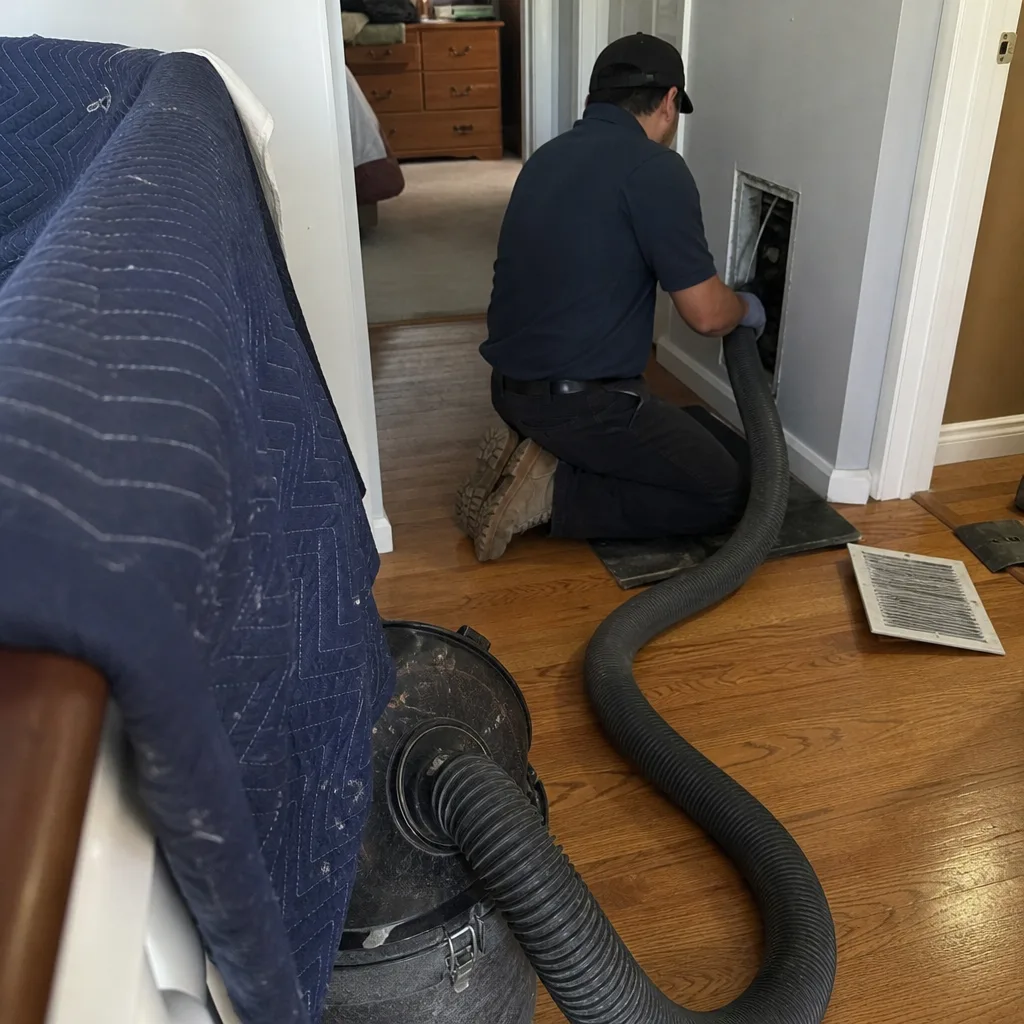 Before
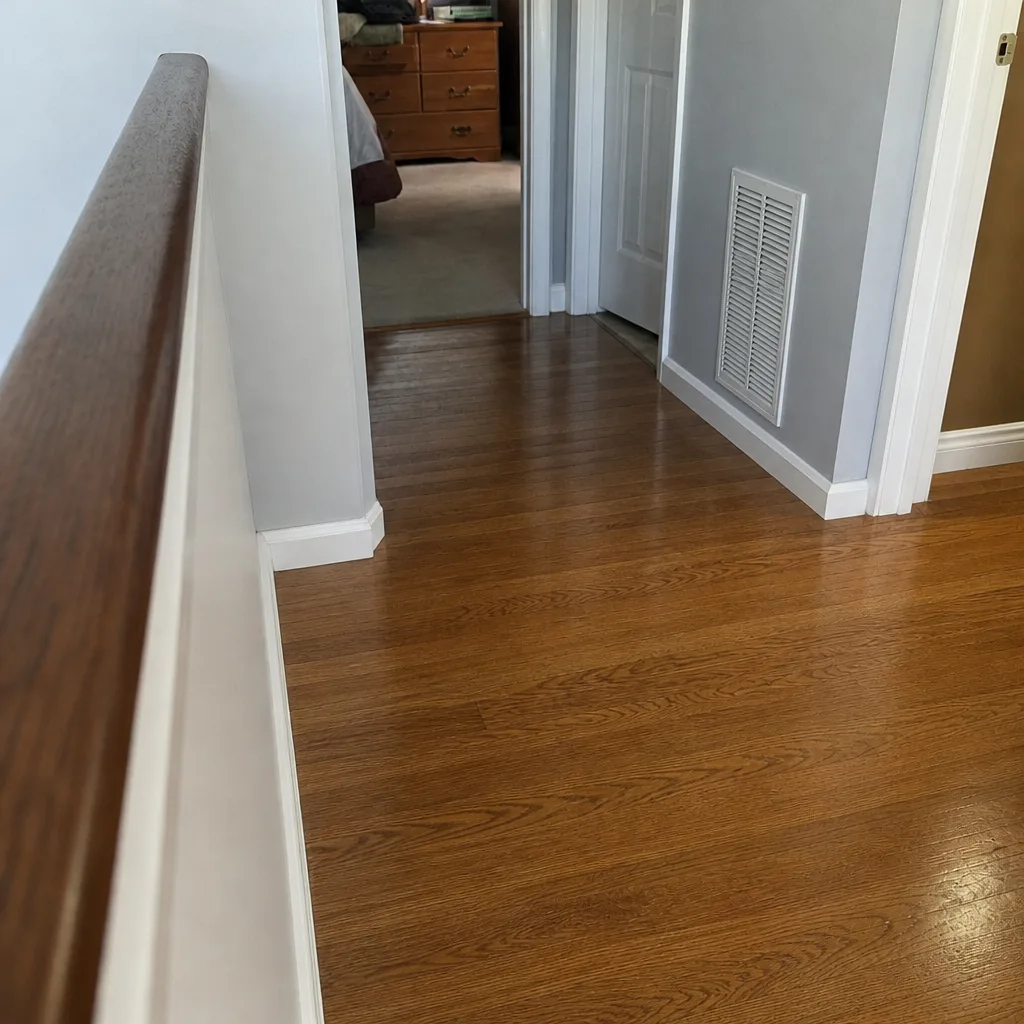 After
When to Call a Professional
Call a professional when any of the trigger events from this guide has happened in your Astoria home: a renovation, a pest problem, an HVAC change, or a pattern in your log that won’t resolve. Call when dust returns to the registers within weeks of your last cleaning. Call when the white cloth test shows consistent heavy residue across multiple rooms and the timing suggests it’s a system-level issue. Call when the dryer runs hot or slow. Call when musty odor returns reliably after wet weather. Call when a co-op management question about shared infrastructure can’t be answered from your unit alone. And call before you decide on a fixed cleaning schedule, so the schedule fits your building rather than the average building.
Air Duct Cleaning Astoria offers free estimates in Astoria. Call (855) 510-1266. We answer 24/7. Fast dispatch from 7am to 7pm, Sunday through Friday. One flat price per system, agreed before work starts, with before-and-after photos so you can see what was actually done.
Frequently Asked Questions
There’s no single interval that fits every Astoria home, which is why a condition-based checklist works better than a fixed schedule. Use the register inspection and your log: if dust reappears within weeks, or trigger events like a renovation or pest activity have happened, schedule an assessment. In a well-maintained system with no trigger events, reassess at least once a year and adjust from what your log shows. Call (855) 510-1266 for a free estimate if the pattern is unclear.
Pricing is estimated per system based on the layout, the number of runs, and the condition found during assessment, and the written estimate sets the final price. We don’t quote a per-vent price or use a teaser coupon that grows into a bigger invoice once the technician is on site. Ask for a written, itemized estimate before work starts so you know exactly what you’re approving. Call (855) 510-1266 for an exact quote. Estimates are free.
A cheap quote usually reflects a lower scope: fewer runs addressed, less equipment, or a generalist HVAC company treating duct cleaning as an add-on. Professional duct systems need purpose-built equipment, and a shop vacuum doesn’t move contaminants through a system the way a Rotobrush or Nikro machine does. Ask what’s included and what equipment will be used before you compare prices. Call (855) 510-1266 to compare an itemized estimate.
Ask for before-and-after photos of your own ducts, not stock images. We provide them with the visit, and you can compare them against your own white cloth test after cleaning. Combine that with a written estimate and a log entry for the date, and you have a clear record. Call (855) 510-1266 for an estimate that includes photos.
Yes. The white cloth test and flashlight pass described in this guide are safe for a homeowner to do at the registers, and you don’t need to open panels or reach into duct runs. Stop at the register and the visible boot. Anything deeper is for a trained professional, and we don’t recommend removing air-handler panels or reaching into ducts yourself. Call (855) 510-1266 if the inspection turns up something you don’t understand.
Ask your building’s management or super which runs serve only your unit and which are shared, and log the answer with the date. If a shared chase or return looks like the source, the fix needs the building’s involvement. Individual cleaning still helps inside your unit, but it won’t fix a source outside it. Call (855) 510-1266 to talk through what an assessment inside your unit can and can’t cover.
The Bottom Line
The best air duct maintenance checklist is one you’ll actually run. That means a quarterly register inspection with a flashlight and a white cloth, a log that captures filter changes, dust reappearance, odor, and renovation dates, and a clear list of trigger events that override your schedule. In Astoria, fixed multi-year intervals don’t hold up well because renovations, shared returns, older buildings, and humidity swings move the timeline unpredictably. Track what you can observe, log it honestly, and call for a professional assessment when the evidence says to. That’s a real maintenance plan, not a calendar.
When you’re ready, air duct cleaning starts with a proper assessment, and our five-service scope gives you a single provider for the whole system. We handle cleaning, repair and sealing, and sanitizing with professional-grade equipment, so the work addresses the source rather than just the surface. Call (855) 510-1266 for a free estimate. We answer 24/7. Fast dispatch from 7am to 7pm, Sunday through Friday.
Related reading: learn more about air duct cleaning, book dryer vent cleaning for your unit, or schedule HVAC cleaning when your equipment needs attention alongside the ducts.
Written by the team at Air Duct Cleaning Astoria.