
Last updated November 22, 2026
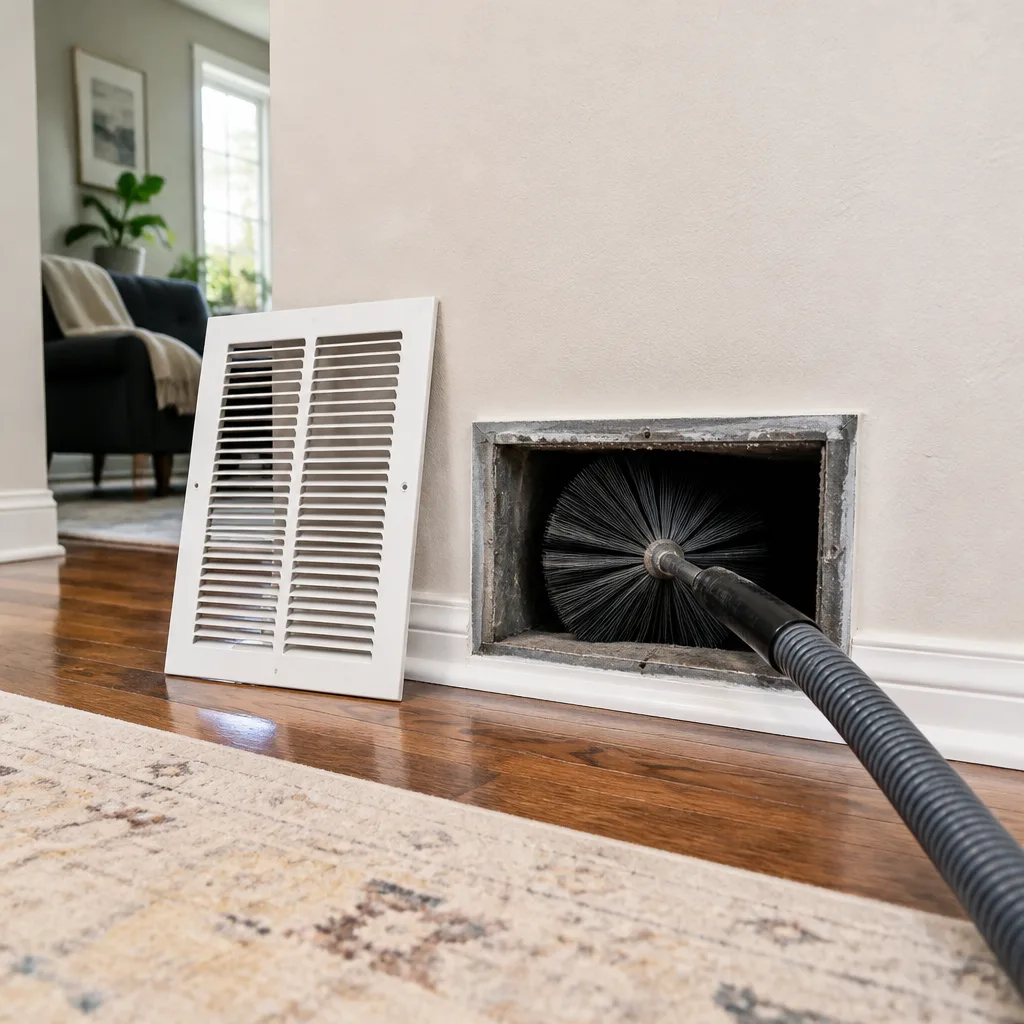 Whole-home duct cleaning
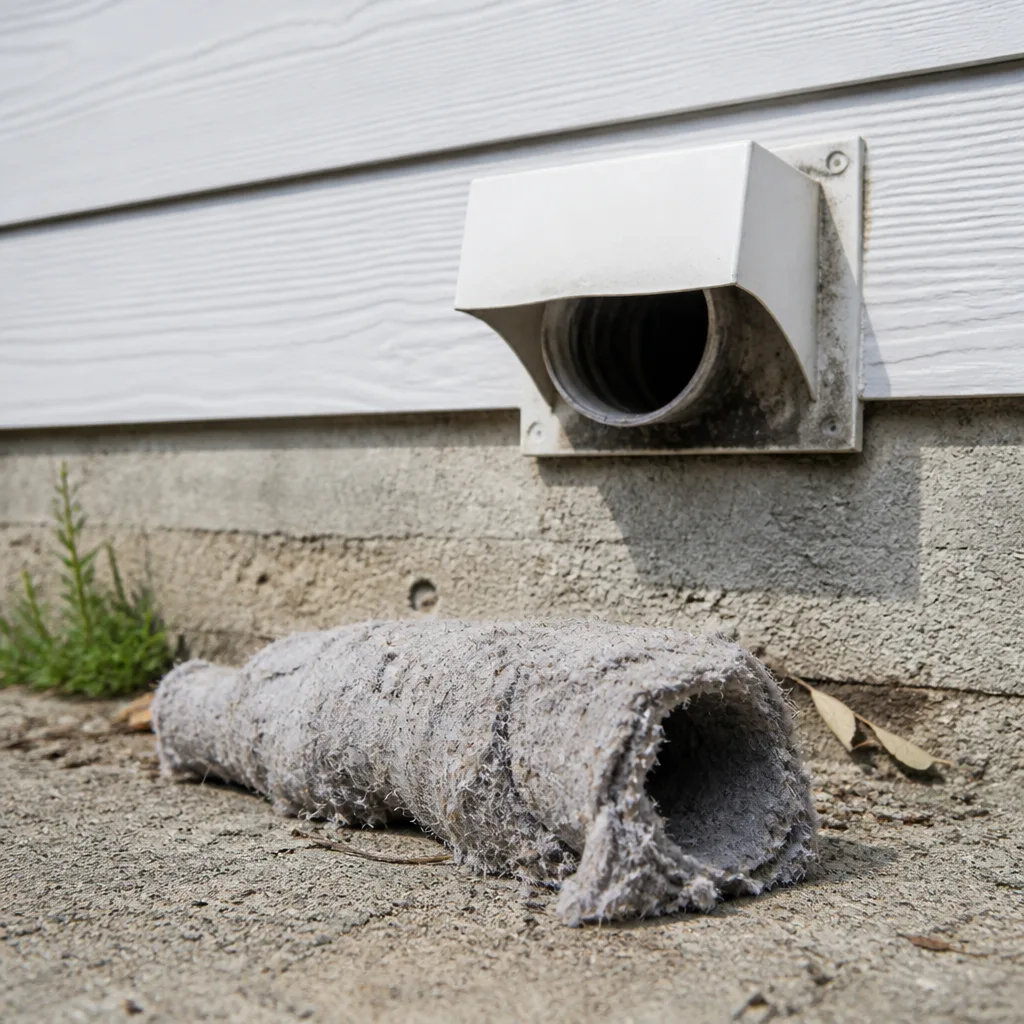 Dryer vent cleaning
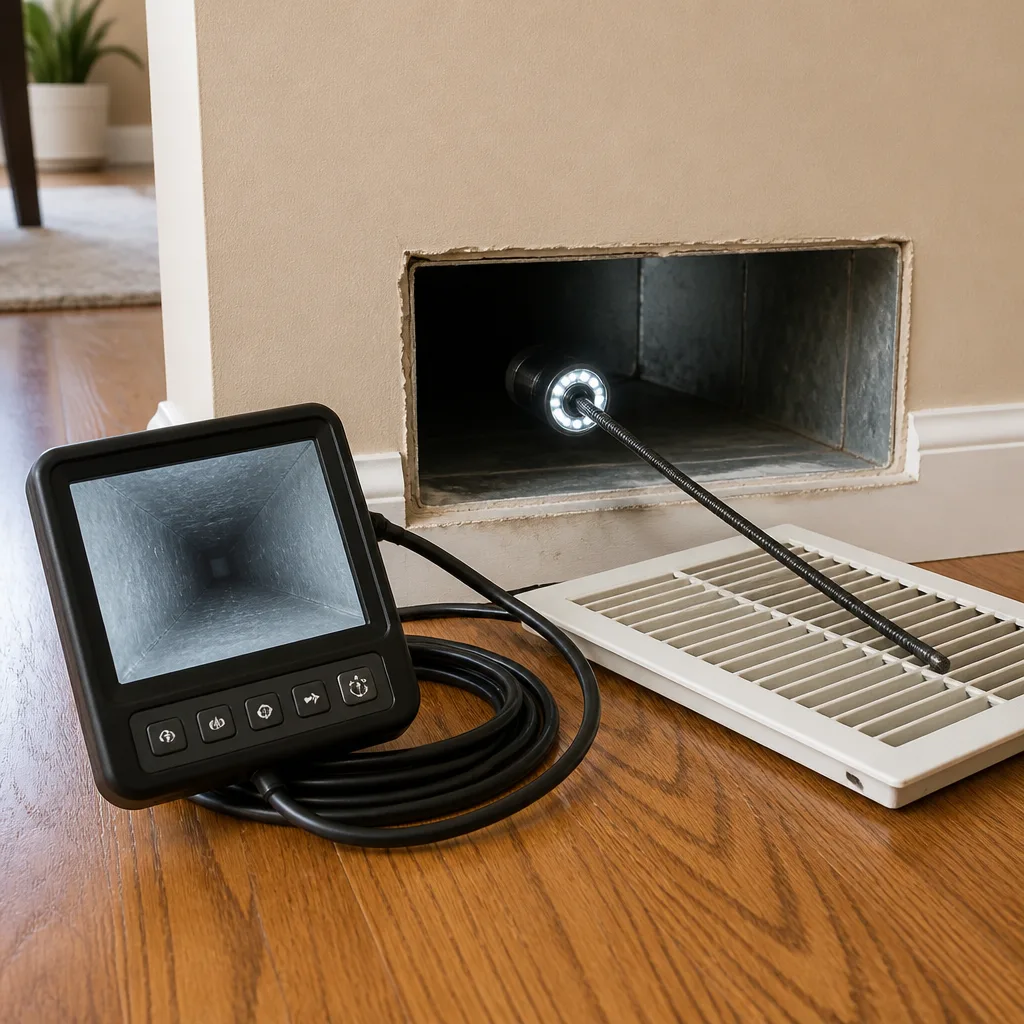 Camera inspection
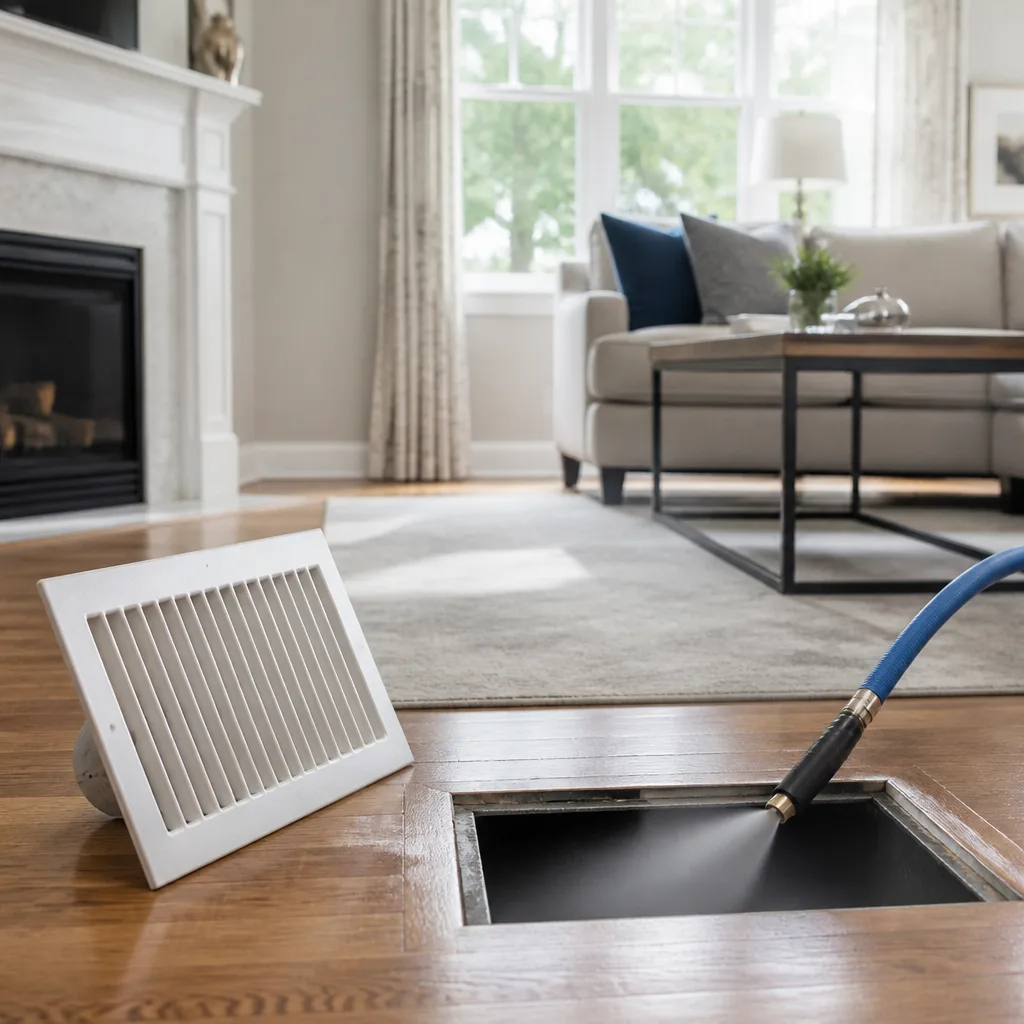 Sanitizing & deodorizing
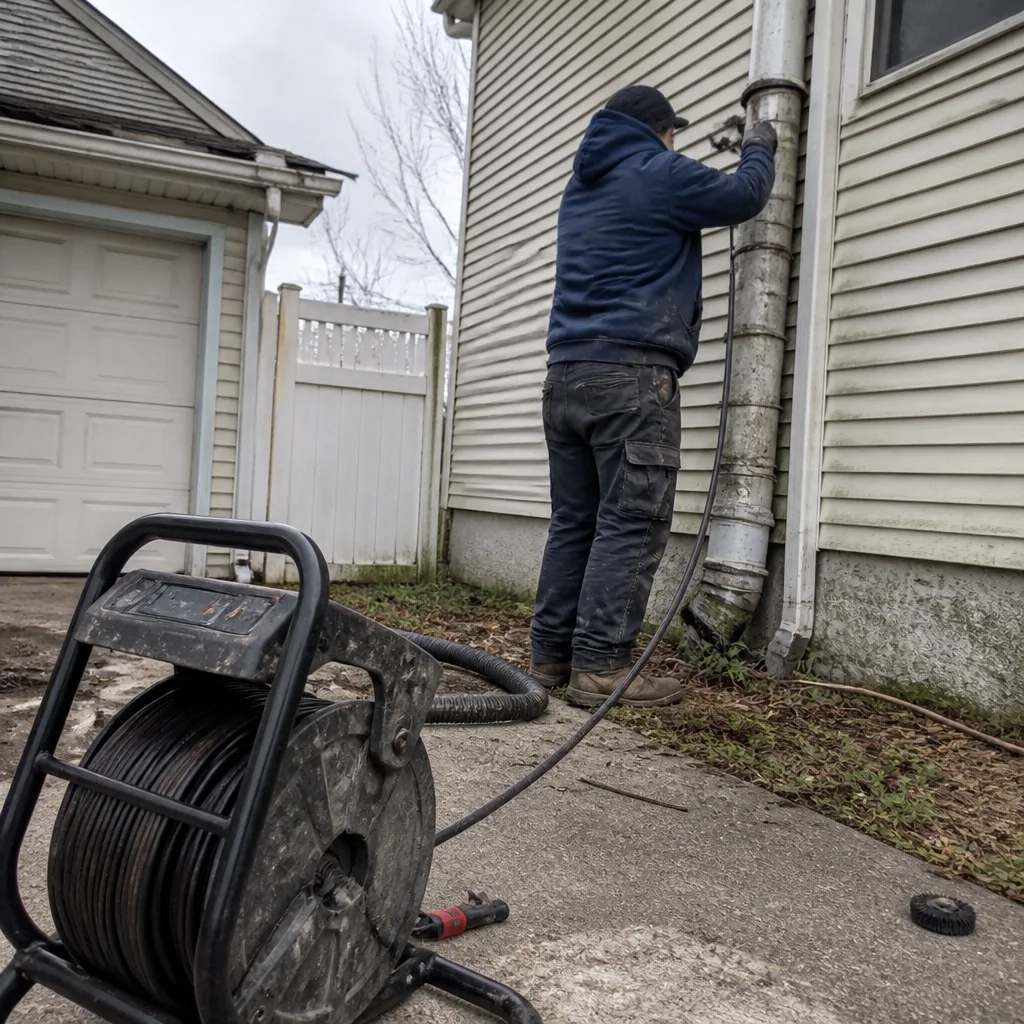
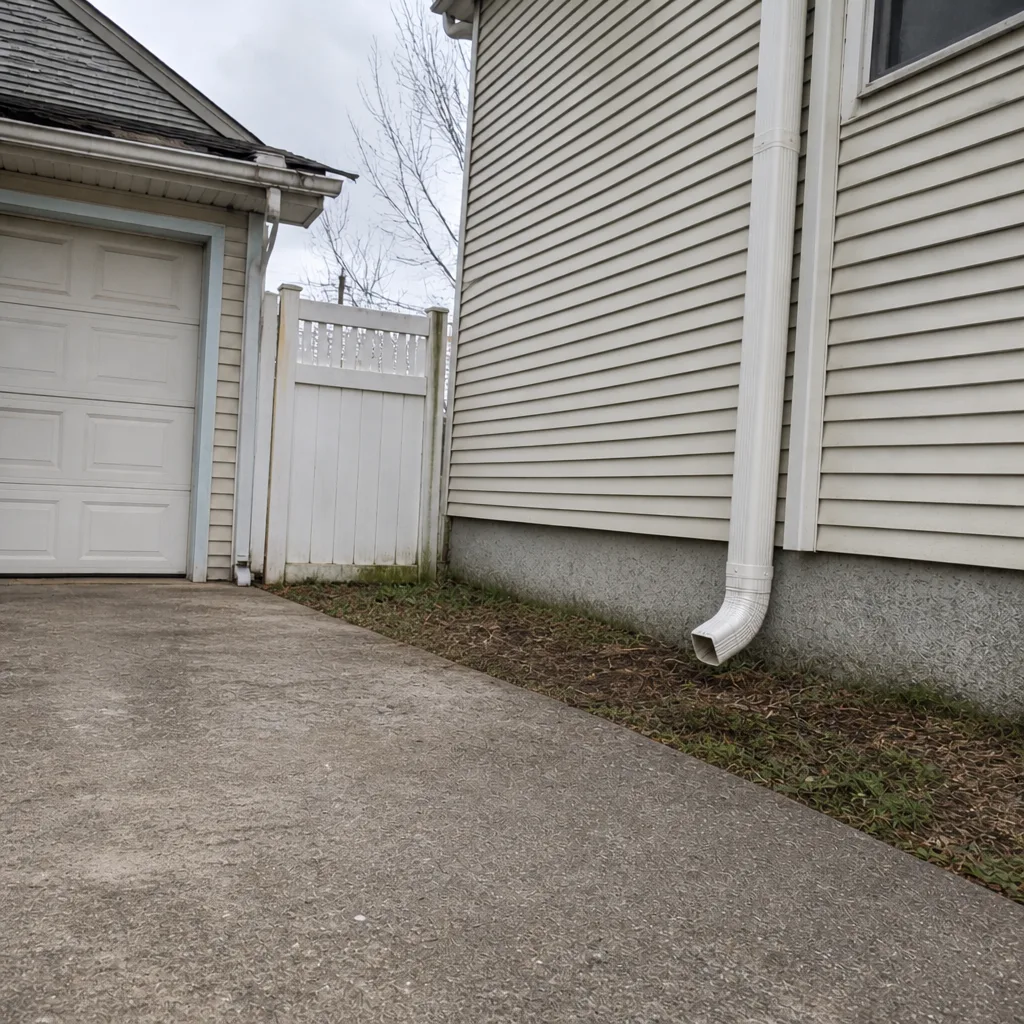
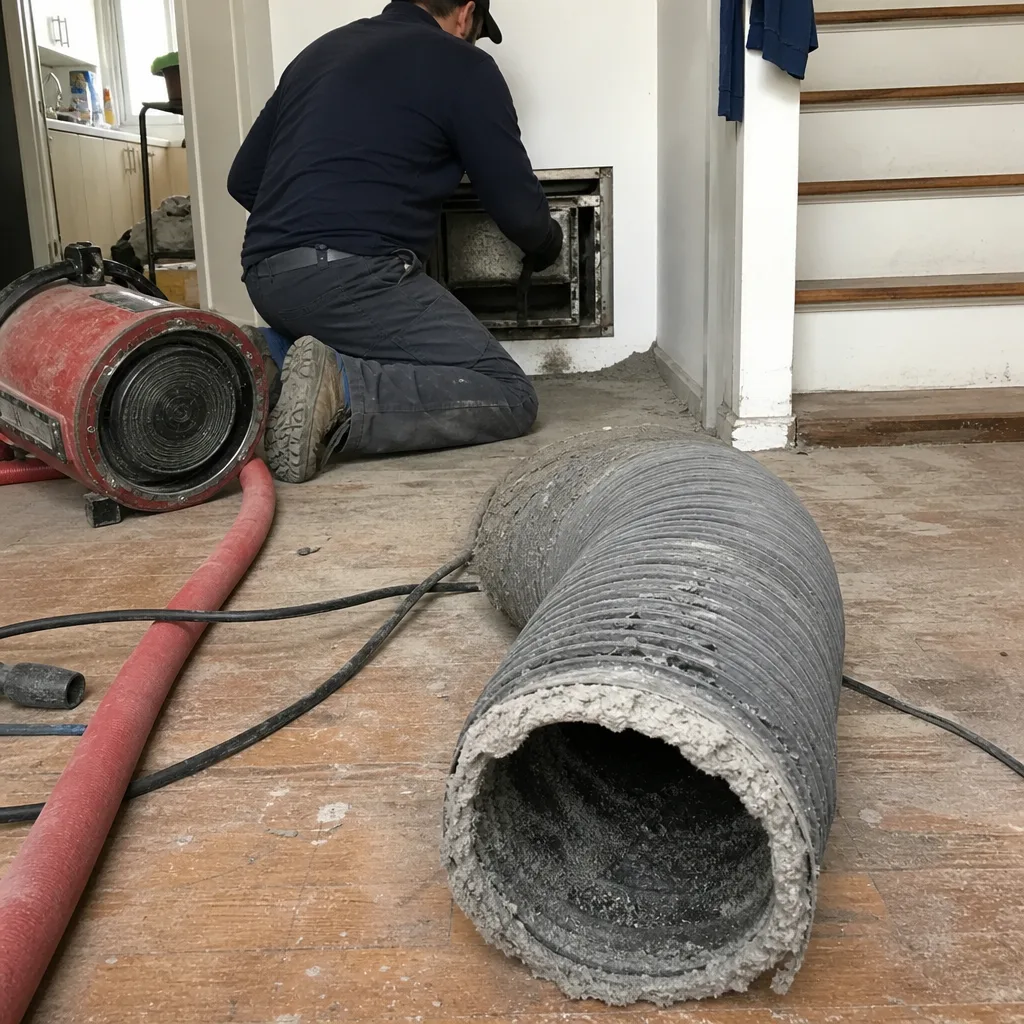
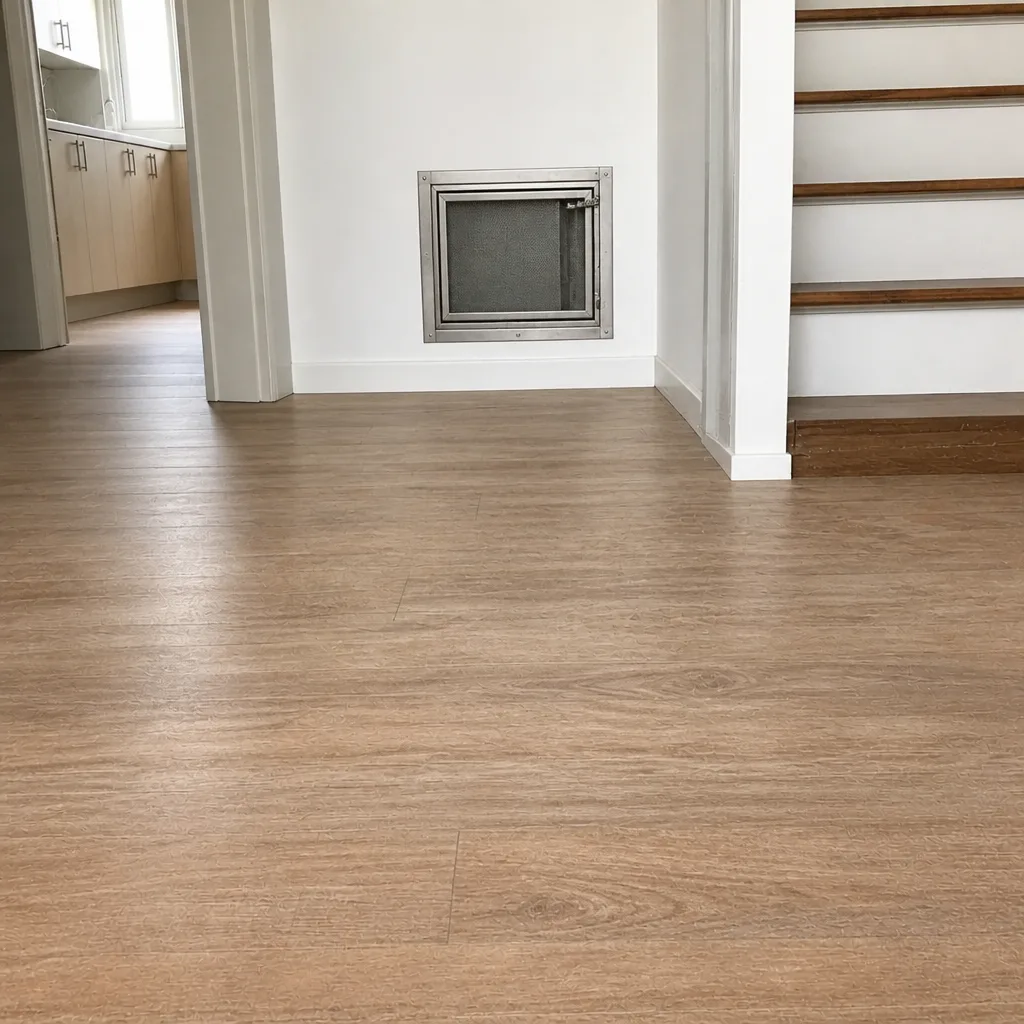
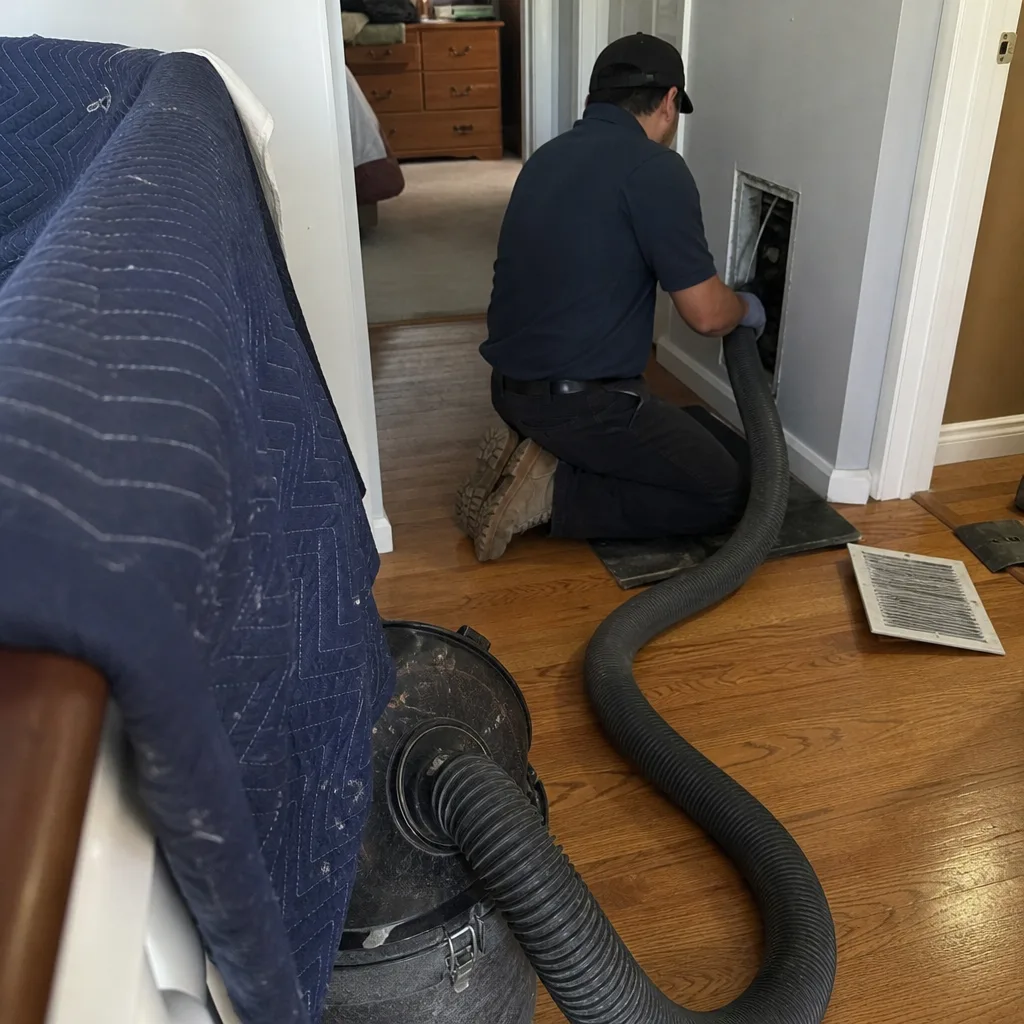
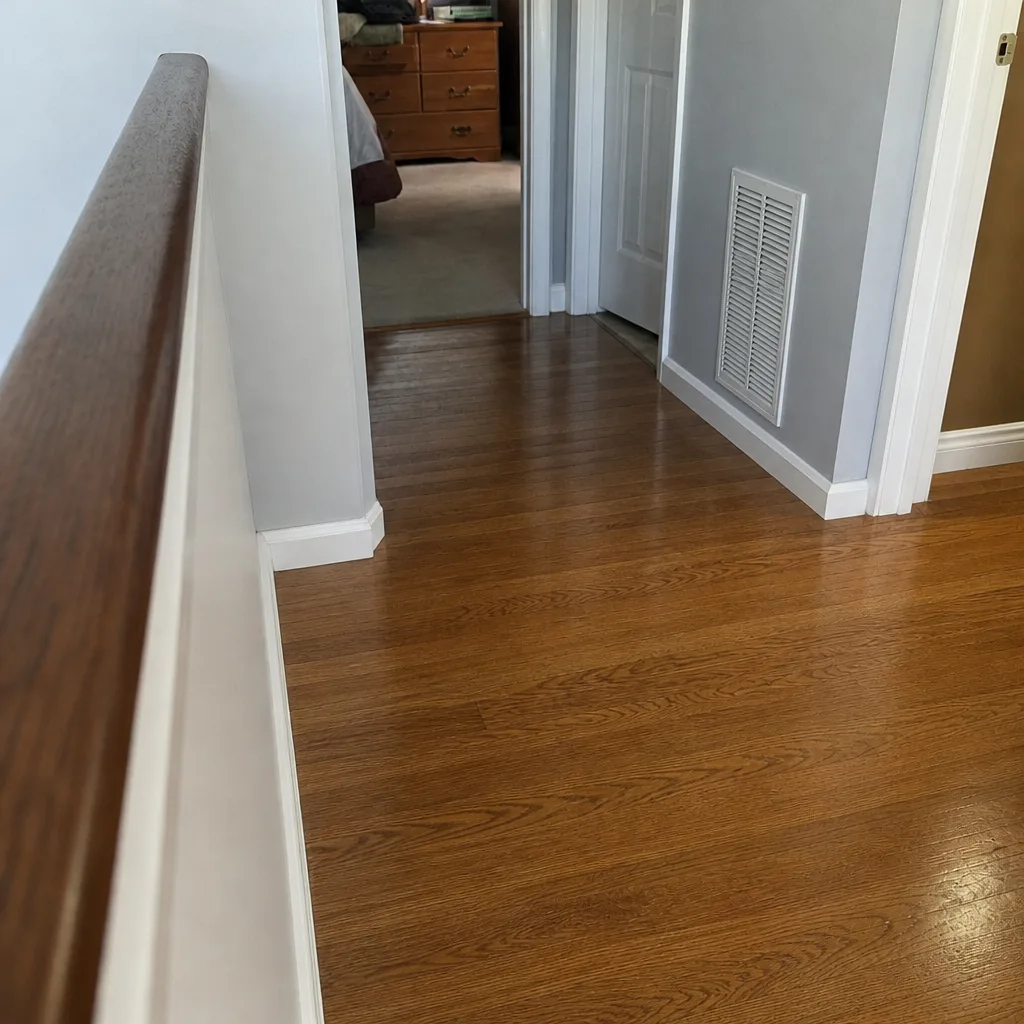
Whole-system duct and dryer vent check with before-and-after photos - you see exactly what came out of your vents
That "$99 whole-house special" is a bait ad - the real number appears once they are in your hallway, or the "clean" is a shop-vac at the register. We photograph the inside of your ducts before and after instead.
How to Hire an Air Duct Cleaning Contractor in Astoria: A Step-by-Step Guide
Here’s the part almost no one tells you: New York State does not issue a license specifically for air duct cleaning. The person quoting a very low flat rate for a whole-house cleaning and the specialist running a truck-mounted negative-pressure system can look identical on paper. No state board checks their equipment, their training or their process. That means the vetting falls entirely on you, and the questions you ask before booking matter more than any star rating. This guide gives Astoria homeowners a technical filter: what equipment to ask about, how to read a quote line by line, what NADCA membership actually signals, and how to verify the work once it’s done. By the end you’ll know what separates a legitimate specialist from someone with a rented vacuum.
Quick Answer
To hire an air duct cleaning contractor in Astoria, verify the equipment first (ask for a truck-mounted or portable negative-pressure unit with HEPA filtration and a mechanical agitation method), confirm the company’s process and documentation in writing, and insist on a line-item quote based on an actual on-site assessment rather than a flat per-vent or whole-house teaser price. Ask specifically about their experience with Astoria’s building stock: steam-converted radiator systems, exposed ductwork in finished basements, and shared-riser multi-unit configurations. Then check that the quote includes before-and-after evidence of your own ducts, not stock photos.
Styles & brands we work with
- Whole-home duct cleaning
- Dryer vent cleaning
- Camera inspection
- Sanitizing & deodorizing
Table of Contents
- Why There’s No License for This Work in Astoria
- The Equipment Questions to Ask Before Booking
- What NADCA Membership Actually Tells You
- How to Read a Duct Cleaning Quote
- Astoria Building Types: What to Ask About Your System
- How to Verify the Job Was Done Right
- Common Mistakes to Avoid
- When to Call a Professional
- Frequently Asked Questions
Why There’s No License for This Work in Astoria
New York State does not license air duct cleaning as a trade. There is no state exam, no minimum equipment standard and no continuing education requirement. A general contractor’s license, where a contractor holds one, covers construction work; it does not certify duct-cleaning method or equipment. This is the single most important fact to internalize before you start comparing bids in Astoria.
What that means in practice is that price competition happens without any quality floor. Anyone can print a flyer, post a flat rate and show up with a shop vacuum or a consumer-grade portable unit that filters poorly and leaves loosened debris behind. The work looks finished from the outside. The dust you couldn’t see before is now distributed through the system.
Because there’s no license to check, credible contractors signal quality through other channels. Those channels are what this guide walks through:
- Named, professional-grade equipment you can ask about directly
- A stated process for agitation, negative pressure and filtration
- Membership in a trade body with published standards, such as NADCA
- A written, line-item quote after an on-site look at your system
- Before-and-after documentation of your own ducts
Each of these is verifiable in a short phone call. When you call Air Duct Cleaning Astoria, for instance, we’ll tell you exactly what equipment we run and what the process involves before you commit to anything. That kind of transparency is the standard to hold every contractor to, including us. If a company gets vague or defensive when you ask what they use, that’s your answer.
One more thing worth knowing: in Astoria’s rental and multi-unit market, some buildings have their own management requirements for vendors who work inside units. Property managers should ask for a certificate of insurance naming the building before scheduling, and any contractor who balks at that request is telling you something about how they operate.
The Equipment Questions to Ask Before Booking
Equipment is the clearest dividing line in this trade, and it’s the easiest thing to screen on. A real duct-cleaning system has three parts working together: a powerful vacuum source that puts the duct under negative pressure, a filtration stage that captures what gets loosened, and an agitation tool that dislodges debris from the duct walls. Consumer vacuums and rented units typically fail on at least one, usually the agitation and filtration stages.
Ask these four questions
- What vacuum source do you use? Professional setups run either truck-mounted negative-pressure units or portable high-powered units built for the job. Ask for the make and model. Acceptable answers name a purpose-built system, not a wet/dry shop vacuum.
- What’s the HEPA filtration spec? A true HEPA stage captures the fine particulate that standard filters pass through. Without it, loosened dust escapes back into your living space during the clean.
- How do you agitate the duct walls? Vacuum alone doesn’t lift adhered debris. Ask whether they use mechanical rotary agitation, compressed-air whips or hand tools, and which ducts they use on. Every duct surface is different.
- What equipment do you use for sealing and sanitizing? If repair, sealing or sanitizing is part of the quote, ask what they use for it. This separates a cleaner from a full-system specialist.
Acceptable answers sound specific. A credible contractor names their system without hesitation. We run Rotobrush and Nikro equipment because those are purpose-built duct and HVAC cleaning systems, and we pair them with Abatement Technologies gear where contamination levels call for it. Ask any contractor you’re considering what they run and why; a specialist can explain the choice in plain terms.
Avoid any bidder who describes their equipment only as “professional” or “industrial-grade” without naming it. Vague answers usually mean a portable unit and a shop vac.
What NADCA Membership Actually Tells You
NADCA, the National Air Duct Cleaners Association, publishes the industry’s accepted standard for how this work should be done and offers a certification path for technicians. Membership and certification are not licenses and they don’t guarantee a good job, but they do signal that a contractor has chosen to meet a published standard and be evaluated against it.
What membership signals
- A commitment to a documented cleaning standard rather than a fly-by-night operation
- Access to training that covers method, airflow and contamination assessment
- Accountability to a trade body that can review complaints
- Likely use of proper equipment, since the standard assumes it
What it doesn’t guarantee
- That the crew who arrives on the day is as careful as the company’s marketing
- That the quote you get is honest about what your particular system needs
- That the work is documented to a standard you can verify afterward
Use NADCA status as one evidence point among several. Ask a company directly if they’re a member or their technicians are certified. If they’re not, don’t automatically disqualify them, but hold them to the equipment and documentation questions in this guide. In our experience, contractors who invest in Rotobrush, Nikro and HEPA-grade filtration are usually the ones who’ve also sought out the training and standards that come with trade membership.
For Astoria homeowners in older buildings, ask one more thing: whether the crew has assessed the system’s condition before cleaning. A duct run that’s crumbling or has disconnected joints needs repair before or alongside cleaning, not a vacuum run over failing seams. That’s why we treat duct repair and sealing as part of the same workflow as cleaning.
How to Read a Duct Cleaning Quote
A proper duct-cleaning quote is a line-item document built after someone has actually looked at your system. The price should be set per job by a written estimate, not by a flat rate quoted over the phone or a price-per-vent multiplied by a count. Here’s how to read one.
Line items that should appear on a legitimate quote
- Scope: which duct runs and components are included (supply, return, main trunk, branches)
- Equipment: the vacuum source, filtration and agitation tools to be used
- Assessment findings: condition notes on your ducts, joints and any disconnected runs
- Additional services separated out: repair and sealing, sanitizing, air-quality upgrades
- Any access considerations for your building type (finished basements, tight chases)
Red flags in a quote
- Flat-rate whole-house pricing with no site assessment. A price quoted before anyone looks at your ducts can’t reflect what your system actually needs.
- Per-vent pricing. A price per vent usually signals a quick vacuum pass per opening rather than a full-system clean with agitation and filtration.
- Teaser coupons with undefined scope. A very low advertised figure normally comes with an upcharge once the technician is on site.
- Bundled sanitizing without asking about your system. Sanitizing is a separate service, and it should follow a clean, not stand in for one.
When you request an estimate in Astoria for air duct cleaning, we’ll put the scope, the equipment and the condition findings in writing, and we’ll set one flat price per system before any work starts. That’s the standard to demand. If a number changes once a technician is inside your home, the quote was never a quote. Read every line and ask what each one covers before you sign.
Because the price is set per job by the written estimate, no honest contractor can tell you your exact cost over the phone before seeing your system. Anyone who quotes a firm whole-house number from a call is guessing, or planning to upcharge.
Astoria Building Types: What to Ask About Your System
Astoria’s housing stock is not generic, and a duct cleaner who works here needs to understand it. The questions below separate a contractor who has actually worked in the neighborhood from one who treats every address the same. The local variation matters more than the cleaning method itself when it comes to what your system needs.
Steam-converted heating systems
Many older Astoria buildings were built around steam radiators and later retrofitted with forced-air or central systems. That conversion history means ductwork runs through spaces that weren’t originally designed for it, and the routing can be irregular. Ask whether the crew has worked with converted systems, how they assess airflow in retrofitted runs, and whether they can identify a return path that’s undersized for the system.
Exposed ductwork in finished basements
Finished basements in Astoria sometimes leave duct runs exposed, which sounds easier but often means a sealed, low-clearance space where a portable vacuum struggles. Ask how they handle access, whether their equipment fits the space, and how they protect adjacent surfaces during the clean.
Shared-riser multi-unit configurations
Multi-unit buildings may share duct risers or have individual runs that meet in shared mechanical spaces. Ask whether the contractor has cleaned in multi-family buildings, how they isolate one unit from another, and whether the property manager needs to be involved. This is where a full-system specialist with proper negative pressure and filtration earns their keep, because the clean has to be contained unit by unit.
Dryer vent safety
Dryer vents are a separate concern from air ducts, and one worth asking about in any older Astoria home. A clogged or improperly routed vent is a fire risk. Any contractor who cleans ducts should be able to inspect and clean the dryer vent as part of the same visit. Ask what dryer vent cleaning includes and how they verify the vent is clear afterward.
These questions are technical, and the right contractor will enjoy answering them. If the answer to “have you worked with steam-converted systems” is a pause, that’s useful information before you book.
How to Verify the Job Was Done Right
A reputable contractor documents the work without being asked: before-and-after photos of your own ducts, a written summary of what was cleaned and what was found, and a clear note on any repair or sealing done along the way. Ask for this at booking, not after the fact, so you know what to expect.
What to check after a cleaning
- Before-and-after photos of your ducts. They should be your system, not stock images. Compare where the debris was heaviest.
- A written summary of condition findings. Note any joints that were loose or disconnected and what the contractor did about them.
- Confirmation of the components cleaned. Supply, return, main trunk and branches should all match the scope in the quote.
- Evidence of any repair or sealing. If sealing was included, you should see it in the photos and in the summary.
- A walkthrough. A good crew will show you what they did and point out anything they found that needs attention.
The most useful verification is often the simplest: look inside a register or two after the clean. If dust is still visible on the duct walls, the agitation and vacuum didn’t reach that surface. Ask why before you write a check.
HVAC cleaning is the same story for your air handler and coil. Ask whether it’s part of the scope when relevant. Our HVAC cleaning is handled with the same documentation approach: what we cleaned, what we found, what needs follow-up. That’s true of any reputable contractor in Astoria, so don’t accept less.
Common Mistakes to Avoid
- Booking on the advertised number. A flat teaser figure quoted over the phone is not a quote. The final invoice is what counts, and you should know it before work starts.
- Skipping the equipment question. if you don’t ask what vacuum source and filtration they use, you can’t tell a specialist from a shop vac. Ask every time.
- Ignoring your building type. Astoria’s steam-converted systems and multi-unit risers need specific handling. A generic cleaner will miss it.
- Not asking about repair and sealing. If ducts are loose or disconnected, cleaning alone won’t fix the underlying problem. Ask whether the contractor can repair what they find.
- Accepting stock photos as proof. Before-and-after evidence must be of your own ducts. Anything else tells you nothing about the job you paid for.
- Overlooking the dryer vent. It’s a fire-safety concern separate from your air ducts. Ask whether it’s included in the visit or available on the same trip.
- Not verifying after the fact. A walkthrough and a brief look inside a register or two confirm the result better than any receipt.
When to Call a Professional
Not every home needs a duct cleaning every year. Call a professional when something specifically points to contamination or a problem you can’t reach: visible dust blowing from registers after a filter change, a recent renovation that sent drywall dust through the system, allergy symptoms that seem tied to time indoors, an aging system where you’ve never checked the ducts, or a dryer that’s not drying well and a vent you can’t inspect. In older Astoria buildings, call when you notice loose or disconnected duct joints, since those affect both air quality and efficiency. If a previous “cleaning” was done with unclear equipment, it’s worth a proper look. If you’re a property manager dealing with a shared-riser configuration, have a specialist assess before scheduling any clean.
Air Duct Cleaning Astoria offers free estimates in Astoria – call (855) 510-1266. We answer 24/7. Fast dispatch from 7am to 7pm, Sunday through Friday.
Frequently Asked Questions
Air duct cleaning in Astoria is priced per job by a written estimate rather than per vent or at a flat whole-house rate, so the honest answer is that cost depends on your system’s size and condition. What you can do is insist on one flat price per system agreed before work starts, and treat any teaser coupon figure as a red flag. Call (855) 510-1266 for an exact quote – estimates are free.
Cheap quotes usually reflect missing equipment: no true HEPA filtration, no mechanical agitation, and a portable vacuum instead of a proper negative-pressure system. That can distribute dust through the system rather than remove it. Ask what equipment the bidder uses and accept only a specific answer. Call (855) 510-1266 if you’d like to compare what we run.
Ask for before-and-after photos of your own ducts and a written summary of what was cleaned and what was found. Then look inside a register or two yourself; clean duct walls should show no visible dust. A reputable contractor provides this without being asked. For an estimate in Astoria, call (855) 510-1266 – estimates are free.
No. New York State doesn’t license air duct cleaning, and NADCA certification is voluntary. That said, NADCA membership is a genuinely useful signal because it means the company has chosen to meet a published standard. Treat it as one evidence point alongside the equipment and documentation questions in this guide. Call (855) 510-1266 to ask us about our process.
There’s no fixed interval. Most homes need it when there’s a specific reason: a renovation, visible dust from registers, allergy concerns or an aging system that’s never been checked. A cleaning without a clear reason is a sales decision, not a maintenance one. Call (855) 510-1266 for an honest assessment of what your Astoria home needs.
Yes, but the shared-riser setups common in multi-unit buildings need a contractor who can isolate one unit from another and use proper negative pressure. Ask how they contain the work unit by unit before booking. Call (855) 510-1266 for a free estimate on a multi-unit configuration.
Dryer vent cleaning is a separate service that we handle on the same visit when you need it, and it matters most in older homes where the vent route may be long or partly hidden. Ask any contractor whether they inspect the dryer vent when they’re on site. Call (855) 510-1266 to add it to an estimate.
The Bottom Line
There’s no New York State license for air duct cleaning, so your questions are the only quality control you get. Screen on equipment first: ask for the vacuum source, the HEPA filtration spec and the agitation method, and accept only specific answers. Treat NADCA membership as one useful signal, not a guarantee. Read every quote line by line, and insist on one flat price per system set by a written estimate after an on-site look at your ducts. Then ask about your building type, verify the work with before-and-after photos of your own system, and check the ducts yourself. A workshop-quality specialist will welcome all of it.
Air Duct Cleaning Astoria connects Astoria homeowners with independent local professionals who perform this work, and every estimate is free and priced per job. Call (855) 510-1266. We answer 24/7. Fast dispatch from 7am to 7pm, Sunday through Friday.
Written by the team at Air Duct Cleaning Astoria.
See the difference
 Before
 After
 Before
 After
 Before
 After